
Loading

The strong do what they can, the weak suffer what they must

My neighbor decided one autumn to fix his roof. He fixed exactly half. The other half could wait, he said, because it hadn’t rained yet. Ever since, I’ve read the world’s news like that roof. Everybody is patching something, propping it up with planks, slapping on tar, and almost nobody finishes the job. The world on October 27, 2026 is that very building: half a new roof, half a leaky one, and November banging on the window.

Kafka’s land surveyor K. is summoned to a Castle that he can see from the village but never reaches. Letters arrive, officials contradict one another, and a decision that governs his whole life is always being made in a room he will never enter. What stays with you about The Castle is how reasonable everything sounds. Nobody is cruel. The system is simply built so that those who live under it have no door to knock on. I thought of K. this Monday while reading through the weekend’s news. Eight or nine separate stories share one architecture. Ordinary people in Kyiv, Warsaw, Lyon and Atlanta are waiting on verdicts issued from somewhere out of reach.
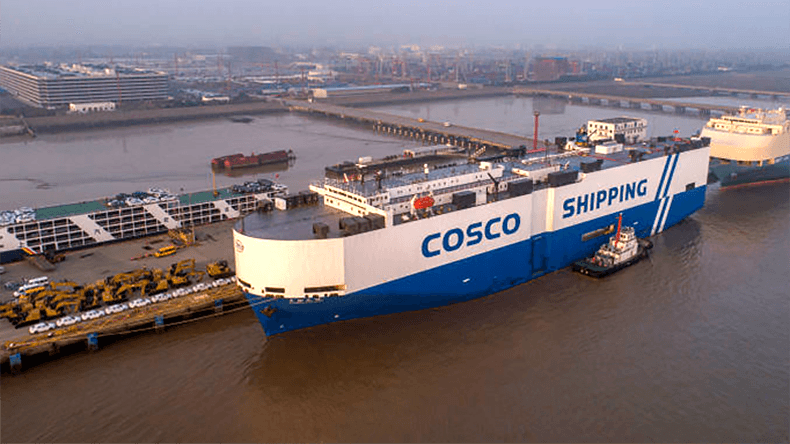
I once knew a baker who could turn out a thousand loaves while the neighborhood bought three hundred. He hauled the rest across town, and the farther he drove, the more the other bakers fumed about his cheap bread. He comes to mind every time I look at China’s car numbers. September. Domestic passenger car sales came in at 1.63 million, down 28.1% from a year earlier. That is twelve straight months of decline. Exports: 923,000 cars, up 73.2%. No retouching needed. Nobody at home is buying, so the cars get shipped around the world. The factories hum, the assembly lines turn, and the home customer seems to have stepped out for a cigarette and never come back.

My late father, a man who mended radios for a living, had a rule about promises. If someone told him the part was in the post, he would nod politely and keep the soldering iron warm. “Wait for the parcel,” he said. I have been thinking of that rule since Sunday, when the American president announced that Moscow and Kyiv had agreed to stop hitting each other’s energy plants.

Stefan Zweig wrote in The World of Yesterday that nobody in Vienna noticed the old order dying. Trams still ran, cafés still poured coffee, and the clerks went home at five. The rot, he said, doesn’t announce itself. It arrives as a series of small administrative facts. I thought of Zweig this morning, going through the last twenty-four hours in Poland and around it. Taken one by one, the items look like routine business. Put side by side, they say something less comfortable.
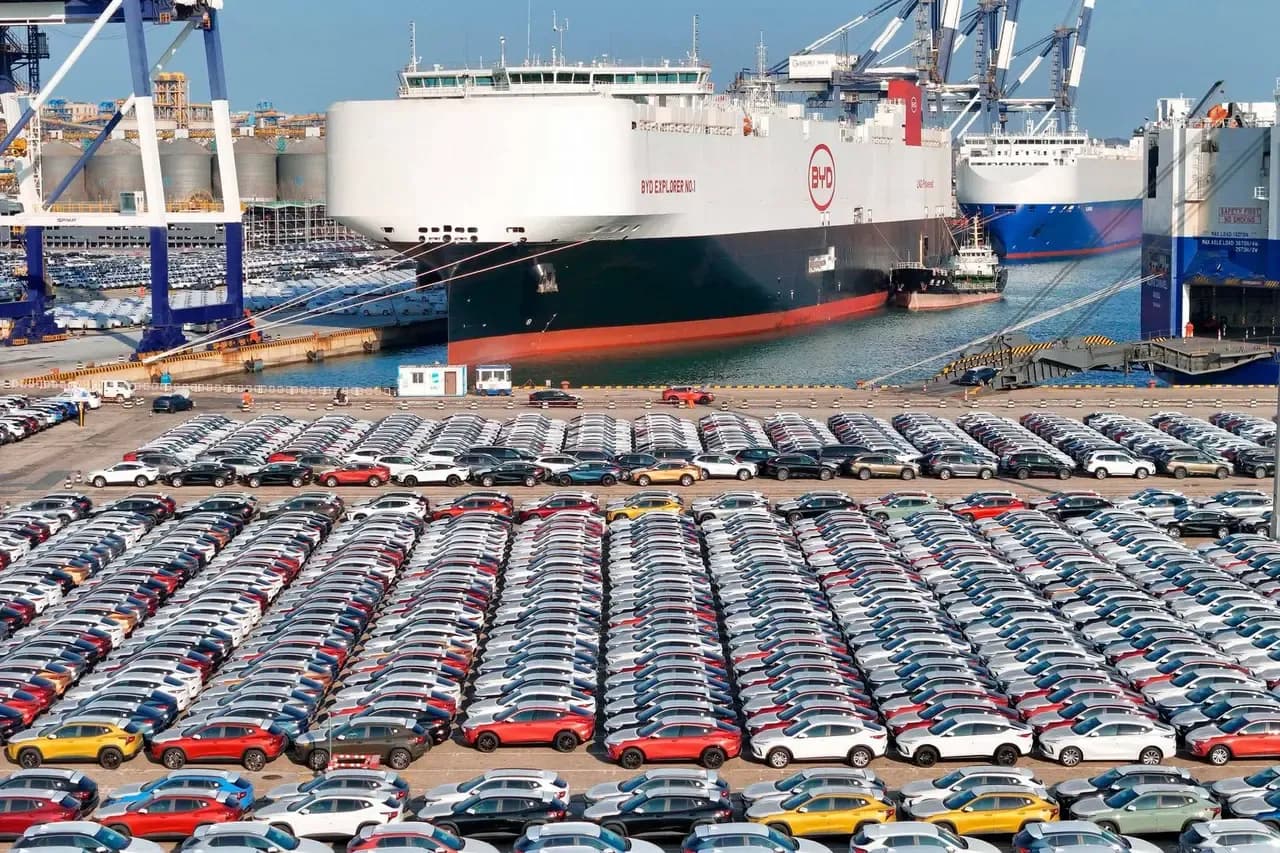
Back in Chicago, I knew a corner-store owner who smiled at customers so warmly you wanted to buy things you didn’t need. Under the counter he kept a baseball bat. He never once used it. But everyone on the block knew it was there, and that is exactly why nobody argued with him. Beijing’s last 24 hours reminded me of that man down to the last detail. Start with the smile. On October 12, China’s Commerce Ministry reported on intensive consultations with the Europeans over hybrid and electric cars. Beijing insists on non-discriminatory allocation of export quotas and talks of a mechanism to raise permitted volumes relative to 2025 levels. That is a significant addition to the European Commission’s October 9 message about a possible sharp cut in Chinese hybrid exports. Both sides confirm the talks go on. The final numbers, and how they will be applied, remain open.

There is a question I used to ask my students on the first day of every course, and it still gets the most uncomfortable silence: when a government speaks to you, who is paying for the microphone? The answer, in a democracy, is you. That is why a ruling handed down on 11 October in a federal courtroom deserves more attention than its dry procedural language suggests.
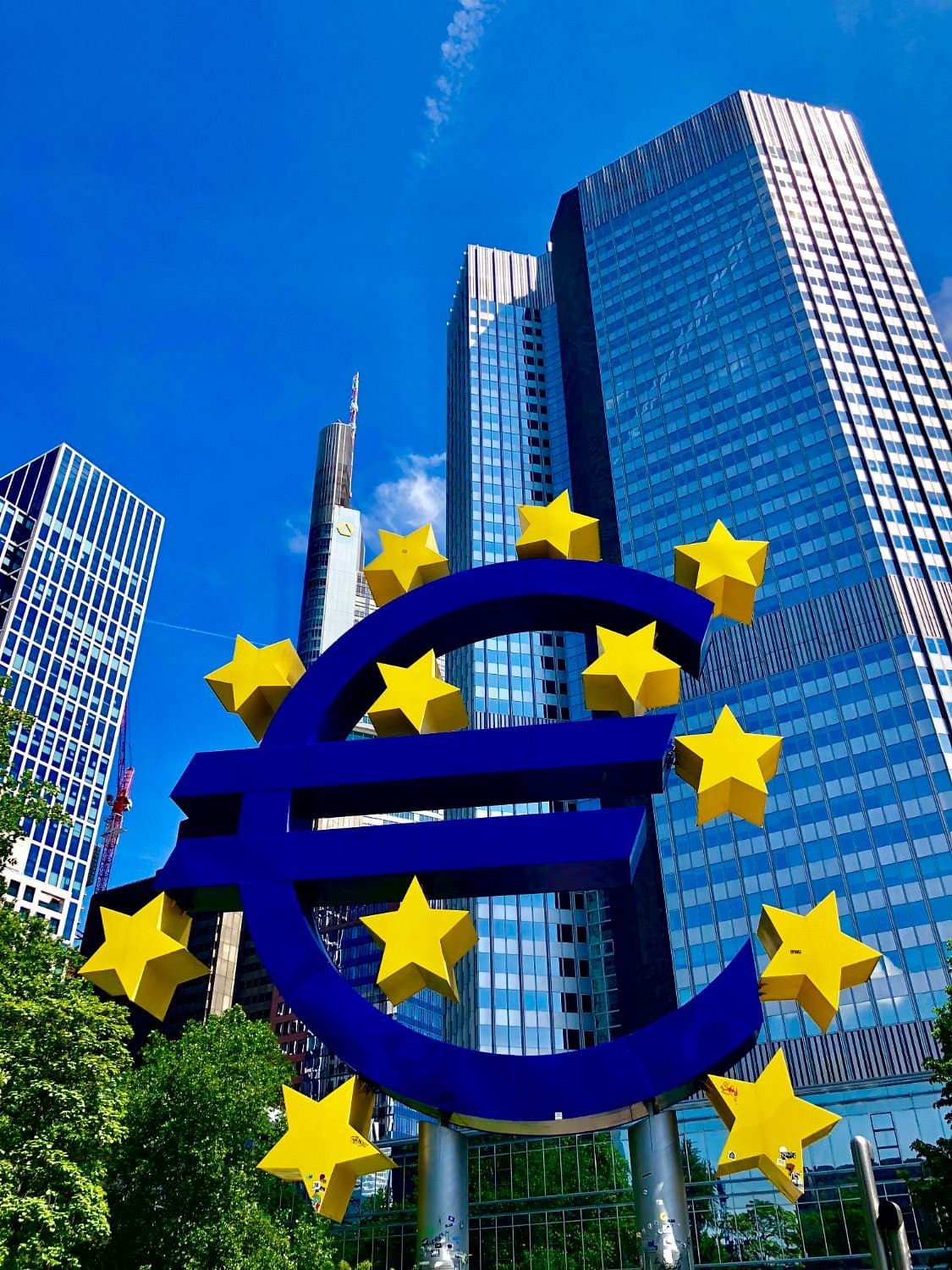
My grandfather kept his savings in a biscuit tin. Ask him why and he’d say, “Banks can collapse. The tin never does.” That tin comes to mind every time somebody mentions European capital markets, because Europe is, at heart, one enormous biscuit tin with ten trillion euros inside. On October 9, EU finance ministers agreed the backbone of their position on MISP, the Market Integration and Supervision Package. The idea: hand the European regulator ESMA some oversight of the biggest cross-border trading venues and market infrastructure, lower barriers for asset managers and smooth out certain cross-border transactions. A word of caution before anyone pops a cork. This is the Council’s negotiating stance only. Talks with the European Parliament still lie ahead, and it is a long road from here to law.
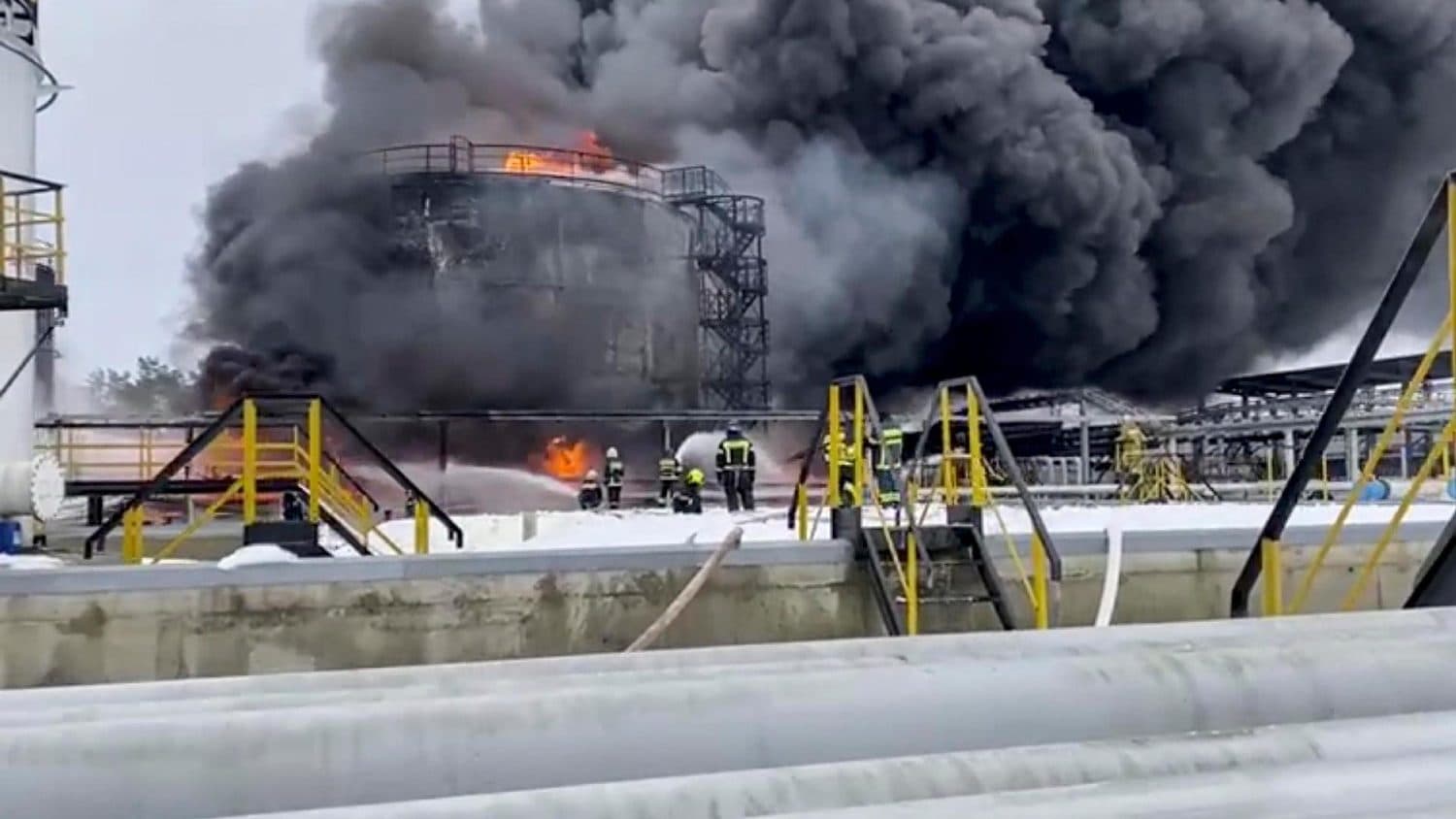
Joseph Heller gave us Catch-22, a rule so perfectly circular that the only way out was never to need one. Washington has now written its own version. Ukraine is told to stop hitting the refineries that feed the Russian war machine, because the diesel from those refineries is making American trucks more expensive to run. On 10 October Donald Trump said publicly that Ukraine should change its president, and he demanded an end to the strikes on Russian oil plants. The day before, his administration had announced an arrangement with Vladimir Putin to increase Russian diesel supplies and had temporarily eased the related sanctions. Volodymyr Zelensky sees it the other way round: every barrel freed from restrictions is a shell Russia can afford to fire.
My grandmother used to say that you can tell what a man truly values by what he is willing to trade when the bill comes due. She was talking about a neighbour who sold his father’s watch to pay for a wedding, but I have thought of her a good deal this week. On 9 October the President of the United States announced an arrangement with Vladimir Putin to let Russian diesel flow, and the reason given was the price at the American pump.