
Loading

Author at Stratium Policy Lab.
Save this author to favorites and get email alerts in your profile language when new articles are published.

My late father, a man who mended radios for a living, had a rule about promises. If someone told him the part was in the post, he would nod politely and keep the soldering iron warm. “Wait for the parcel,” he said. I have been thinking of that rule since Sunday, when the American president announced that Moscow and Kyiv had agreed to stop hitting each other’s energy plants.

There is a question I used to ask my students on the first day of every course, and it still gets the most uncomfortable silence: when a government speaks to you, who is paying for the microphone? The answer, in a democracy, is you. That is why a ruling handed down on 11 October in a federal courtroom deserves more attention than its dry procedural language suggests.

My grandmother used to say that you can tell what a man truly values by what he is willing to trade when the bill comes due. She was talking about a neighbour who sold his father’s watch to pay for a wedding, but I have thought of her a good deal this week. On 9 October the President of the United States announced an arrangement with Vladimir Putin to let Russian diesel flow, and the reason given was the price at the American pump.
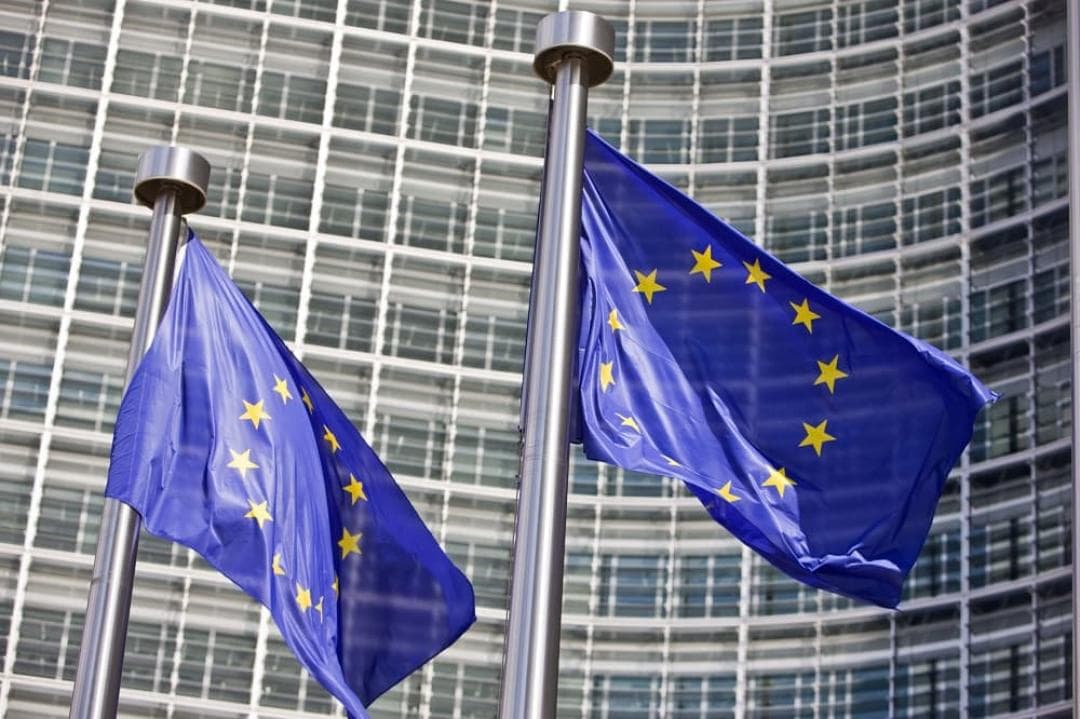
Every autumn, European leaders drive to Brussels with a briefcase of grievances and a promise to find common ground. I have watched this ritual for years, and it reminds me of a family dinner where everyone agrees the table is too small and nobody offers to leave. The next such gathering falls on 15 and 16 October, and the invitation, sent out on 8 October by the president of the European Council, reads like a list of everything that keeps Europeans awake: energy, competitiveness, the EU budget for 2028 to 2034, Ukraine, defence, migration and enlargement.

I once knew a baker who could tell the state of the economy by the size of the queue at six in the morning, long before any minister cleared his throat. Her verdict never came with decimals. It came with a shrug, or a sigh, or a sudden decision to stop selling the expensive loaves. I thought of her on 9 October, when the University of Michigan published its preliminary October reading of consumer sentiment, and the number landed like a stone in a pond.
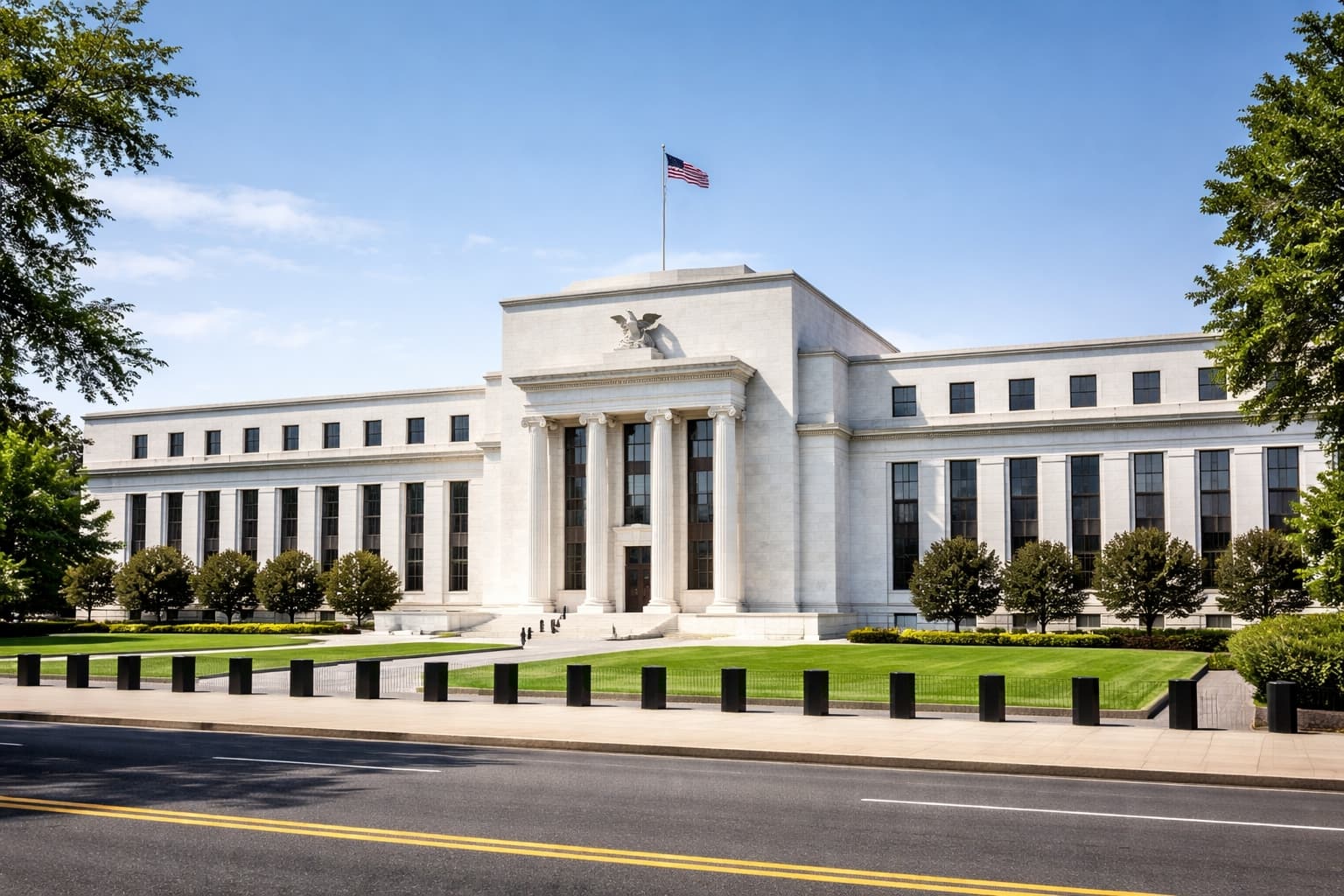
There is an old American joke about the man who falls from a skyscraper and, passing the fortieth floor, tells himself that so far, so good. I thought of him on 8 October, reading the latest numbers from the US labour market. Nobody is being thrown out of the window. Nobody is being invited in, either. The building just hangs there, in a strange and watchful quiet.
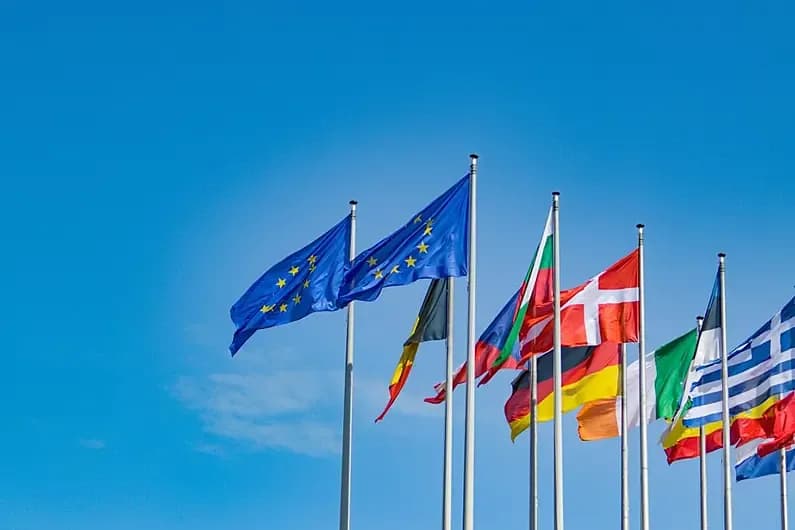
I have sat through enough finance ministers’ press conferences to know the choreography. Grave faces, measured vocabulary, a word like “targeted” dropped in every third sentence, as though precision of language could substitute for precision of policy. So when the eurozone’s finance ministers gathered on 8 October, I expected the usual fog. What I got instead was something closer to a confession. They want to shield people from dearer energy and keep the public purse in order, both at once. It is the political equivalent of wanting to eat the cake and still have the money for the oven.