
Loading

The future is being created today. In this section, we examine strategic foresight practices and progressive governance models. Discover content on recognizing weak signals of change, assessing risks and opportunities, and building adaptive management for society and business.

My neighbor decided one autumn to fix his roof. He fixed exactly half. The other half could wait, he said, because it hadn’t rained yet. Ever since, I’ve read the world’s news like that roof. Everybody is patching something, propping it up with planks, slapping on tar, and almost nobody finishes the job. The world on October 27, 2026 is that very building: half a new roof, half a leaky one, and November banging on the window.

Kafka’s land surveyor K. is summoned to a Castle that he can see from the village but never reaches. Letters arrive, officials contradict one another, and a decision that governs his whole life is always being made in a room he will never enter. What stays with you about The Castle is how reasonable everything sounds. Nobody is cruel. The system is simply built so that those who live under it have no door to knock on. I thought of K. this Monday while reading through the weekend’s news. Eight or nine separate stories share one architecture. Ordinary people in Kyiv, Warsaw, Lyon and Atlanta are waiting on verdicts issued from somewhere out of reach.

My late father, a man who mended radios for a living, had a rule about promises. If someone told him the part was in the post, he would nod politely and keep the soldering iron warm. “Wait for the parcel,” he said. I have been thinking of that rule since Sunday, when the American president announced that Moscow and Kyiv had agreed to stop hitting each other’s energy plants.
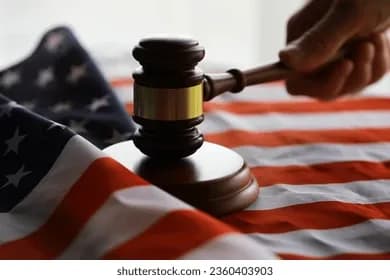
There is a question I used to ask my students on the first day of every course, and it still gets the most uncomfortable silence: when a government speaks to you, who is paying for the microphone? The answer, in a democracy, is you. That is why a ruling handed down on 11 October in a federal courtroom deserves more attention than its dry procedural language suggests.
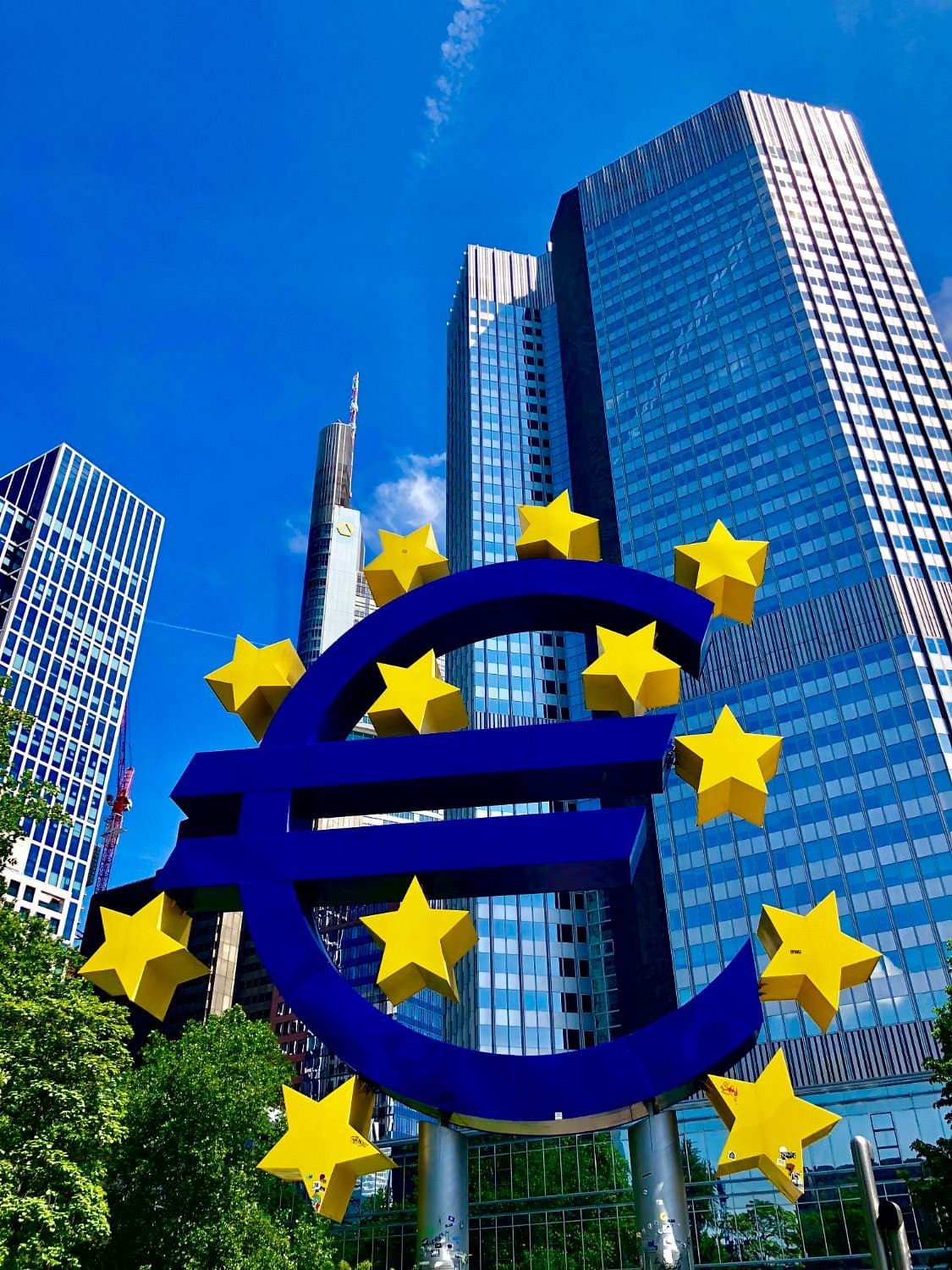
My grandfather kept his savings in a biscuit tin. Ask him why and he’d say, “Banks can collapse. The tin never does.” That tin comes to mind every time somebody mentions European capital markets, because Europe is, at heart, one enormous biscuit tin with ten trillion euros inside. On October 9, EU finance ministers agreed the backbone of their position on MISP, the Market Integration and Supervision Package. The idea: hand the European regulator ESMA some oversight of the biggest cross-border trading venues and market infrastructure, lower barriers for asset managers and smooth out certain cross-border transactions. A word of caution before anyone pops a cork. This is the Council’s negotiating stance only. Talks with the European Parliament still lie ahead, and it is a long road from here to law.
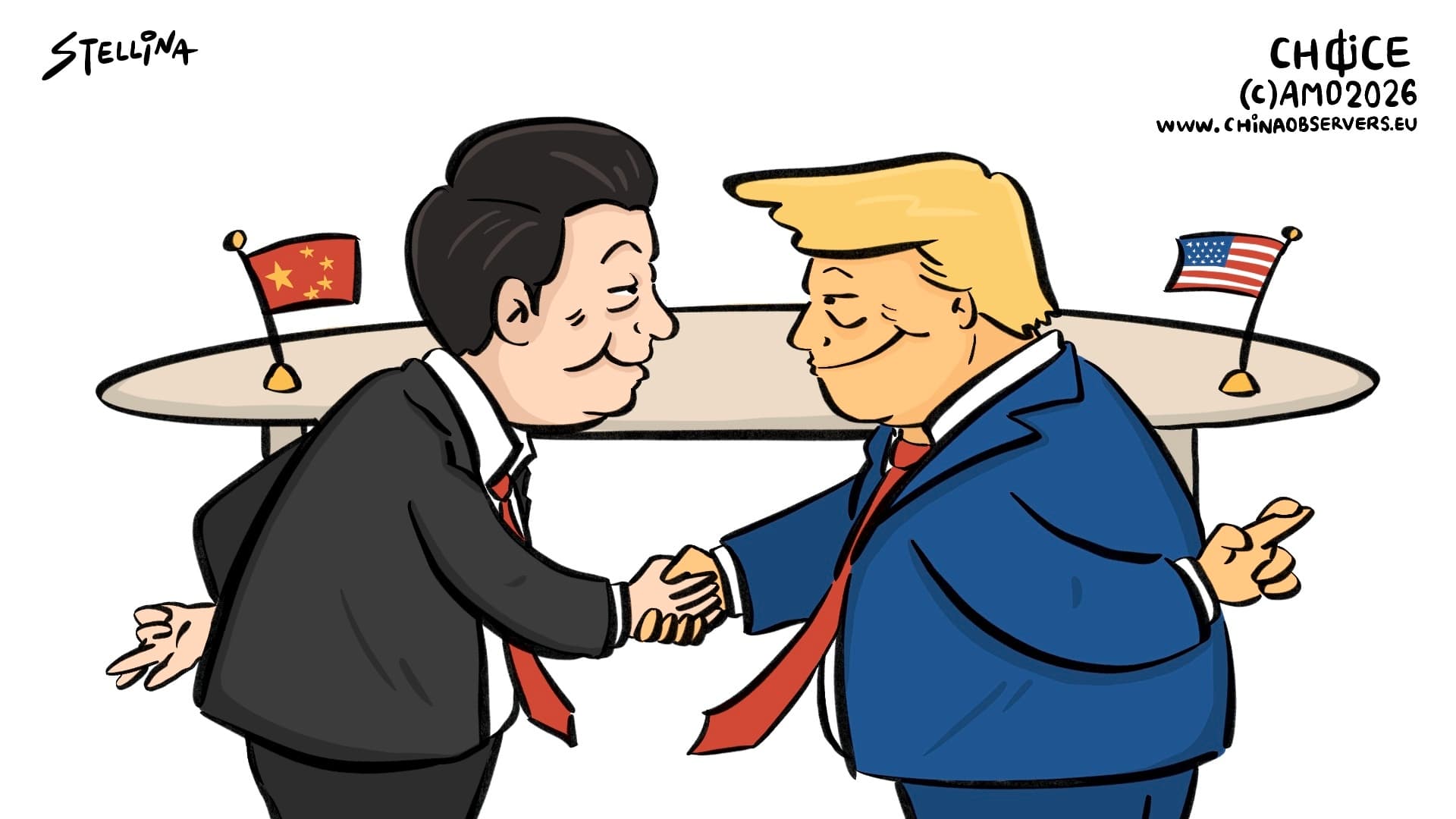
I once knew an old man in a park who played three chess games at the same time while telling jokes. Everybody figured he wasn’t paying attention. In fact he knew something the rest of us didn’t: the most dangerous player at the table is the one who is in no hurry. That is exactly the picture that comes to mind when I look at Chinese foreign policy this week.
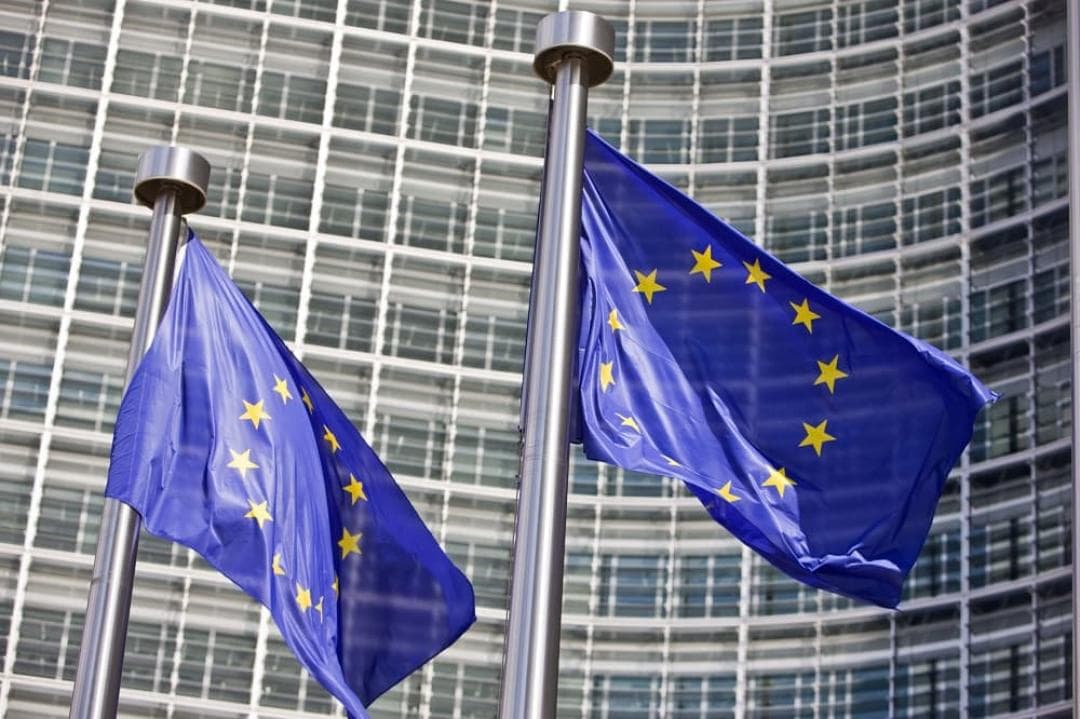
Every autumn, European leaders drive to Brussels with a briefcase of grievances and a promise to find common ground. I have watched this ritual for years, and it reminds me of a family dinner where everyone agrees the table is too small and nobody offers to leave. The next such gathering falls on 15 and 16 October, and the invitation, sent out on 8 October by the president of the European Council, reads like a list of everything that keeps Europeans awake: energy, competitiveness, the EU budget for 2028 to 2034, Ukraine, defence, migration and enlargement.
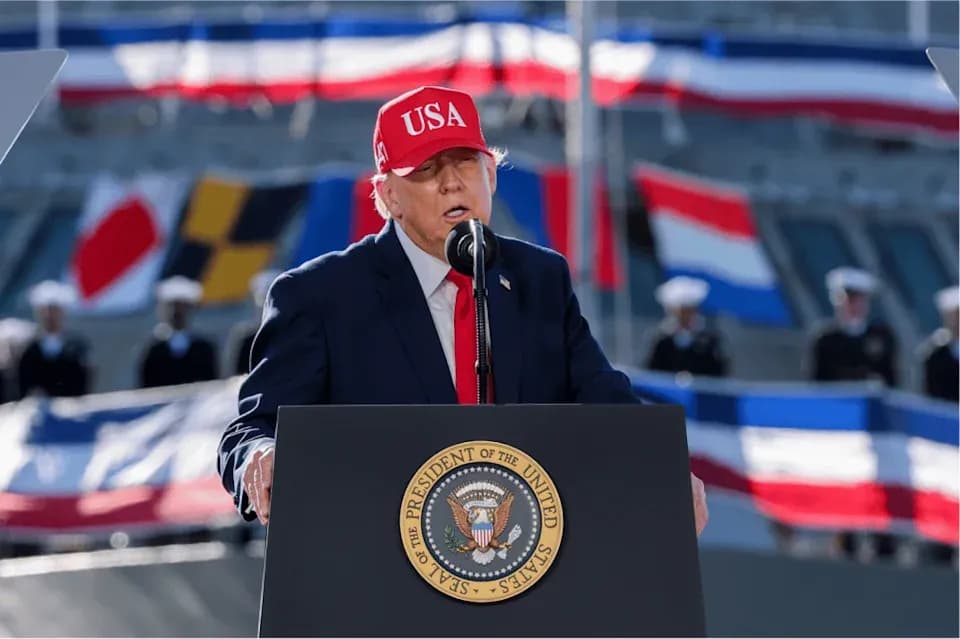
After years of watching Washington, I’ve settled on a simple rule: American foreign policy is domestic policy with a passport. Every time a president talks about a faraway war, somebody in Ohio or Pennsylvania is staring at the price on a gas pump. And that number shouts louder than any speech.

In Dostoevsky's Demons, a small cell of bored young men is pulled into murder by a manipulator who never touches the knife himself. Pyotr Verkhovensky understood something that every intelligence service has since learned: you don't need an army. You need a few lonely people and a reason for them to feel important.
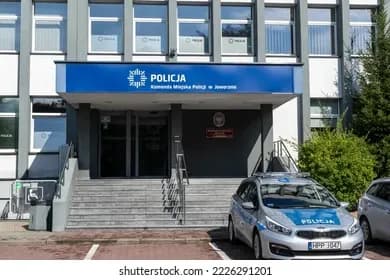
In Leviathan, Thomas Hobbes offered humanity a plain bargain. We hand the state a share of our freedom, and in return we are protected from what awaits without it: the war of all against all. The deal is fair, said Hobbes, so long as the state really protects. But within a few centuries political thought grasped that the hard question is not whether to surrender freedom but how much, and who watches what the Leviathan does with it.
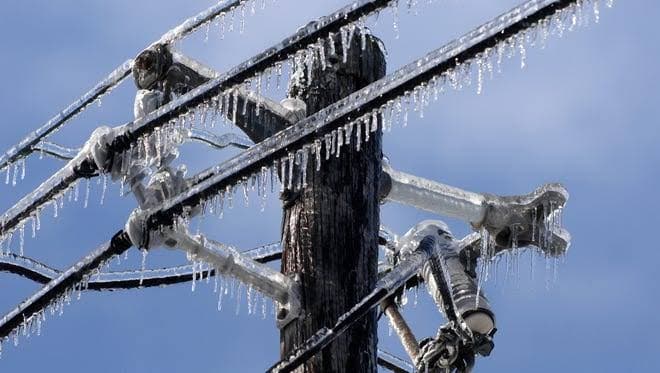
Thucydides left us one of the coldest sentences in all of literature: the strong do what they can, the weak suffer what they must. The Athenians said it to the Melians, who were still foolish enough to hope for fairness. I think of that dialogue whenever I hear a country’s fate being settled in rooms where its people are not sitting.