
Loading

Author at Stratium Policy Lab.
Save this author to favorites and get email alerts in your profile language when new articles are published.
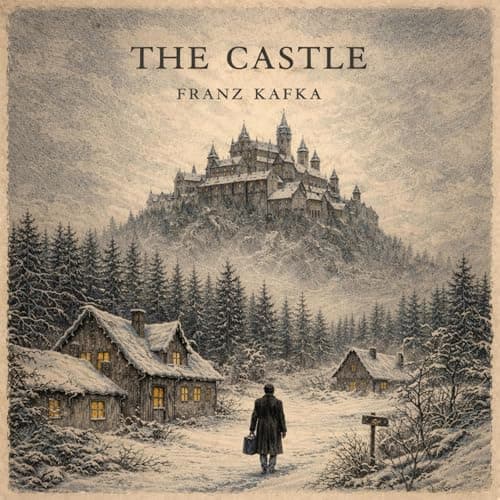
Kafka’s land surveyor K. is summoned to a Castle that he can see from the village but never reaches. Letters arrive, officials contradict one another, and a decision that governs his whole life is always being made in a room he will never enter. What stays with you about The Castle is how reasonable everything sounds. Nobody is cruel. The system is simply built so that those who live under it have no door to knock on. I thought of K. this Monday while reading through the weekend’s news. Eight or nine separate stories share one architecture. Ordinary people in Kyiv, Warsaw, Lyon and Atlanta are waiting on verdicts issued from somewhere out of reach.

Stefan Zweig wrote in The World of Yesterday that nobody in Vienna noticed the old order dying. Trams still ran, cafés still poured coffee, and the clerks went home at five. The rot, he said, doesn’t announce itself. It arrives as a series of small administrative facts. I thought of Zweig this morning, going through the last twenty-four hours in Poland and around it. Taken one by one, the items look like routine business. Put side by side, they say something less comfortable.
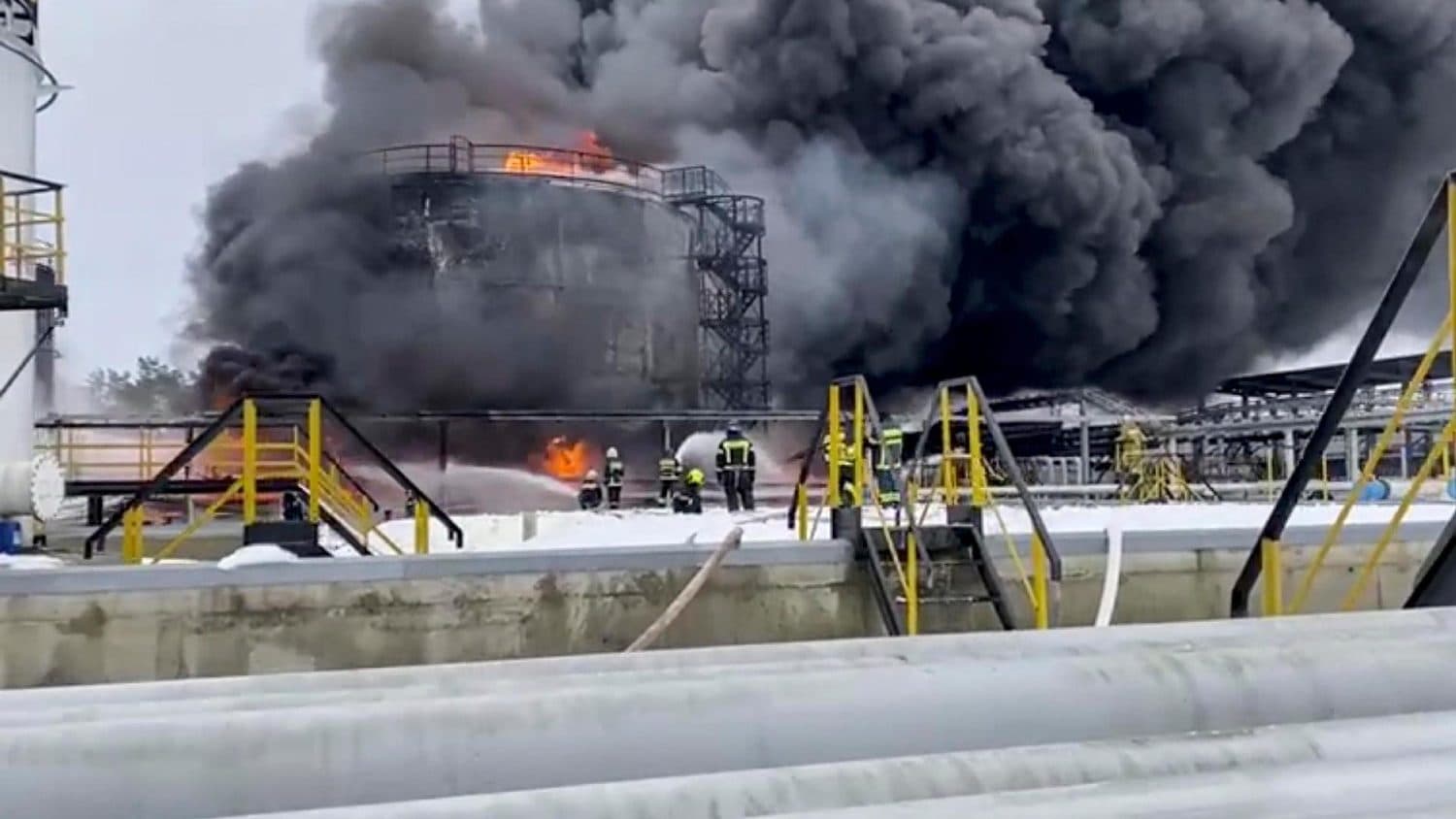
Joseph Heller gave us Catch-22, a rule so perfectly circular that the only way out was never to need one. Washington has now written its own version. Ukraine is told to stop hitting the refineries that feed the Russian war machine, because the diesel from those refineries is making American trucks more expensive to run. On 10 October Donald Trump said publicly that Ukraine should change its president, and he demanded an end to the strikes on Russian oil plants. The day before, his administration had announced an arrangement with Vladimir Putin to increase Russian diesel supplies and had temporarily eased the related sanctions. Volodymyr Zelensky sees it the other way round: every barrel freed from restrictions is a shell Russia can afford to fire.
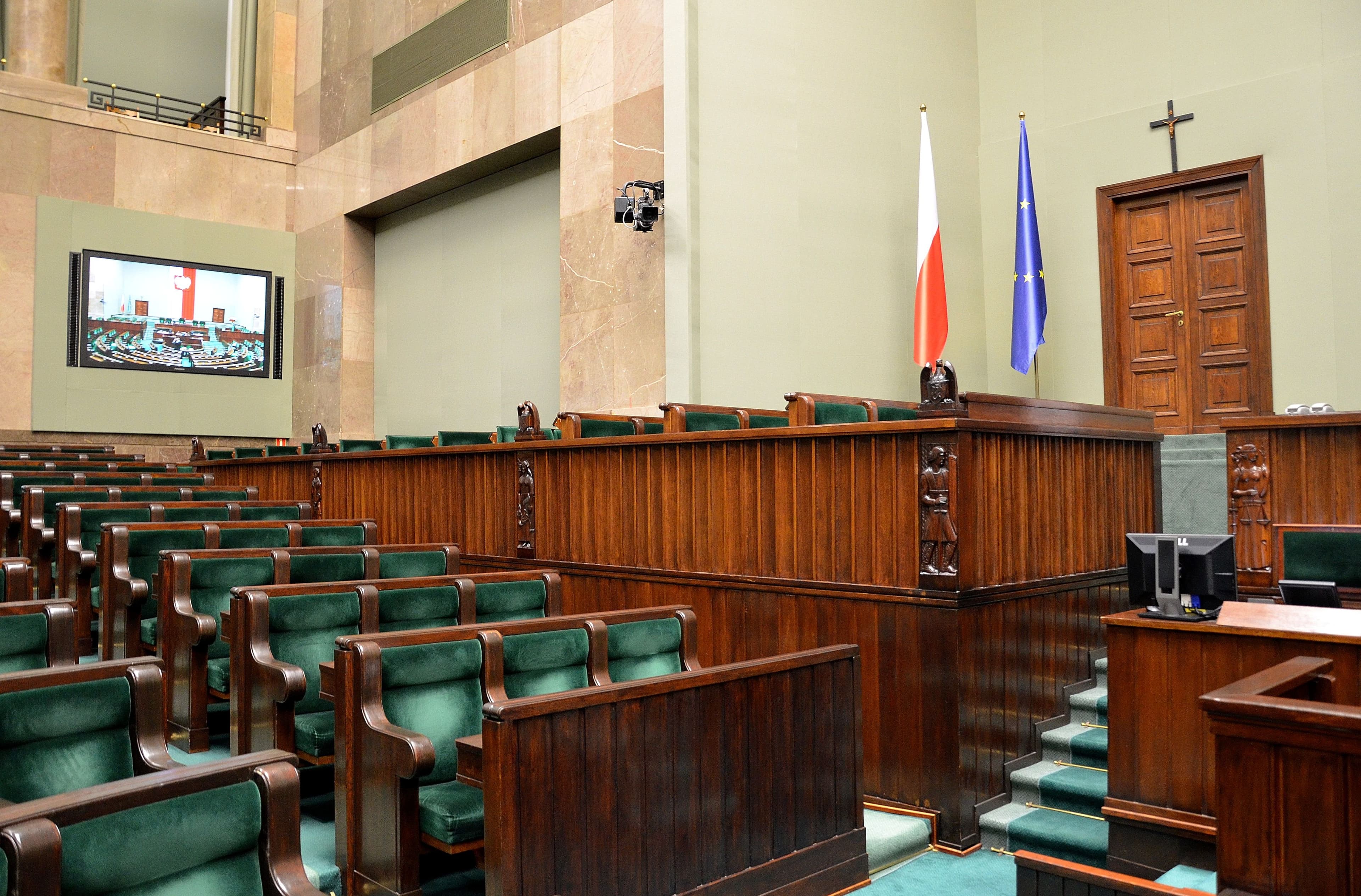
There is a scene in Stanisław Wyspiański’s The Wedding that Polish schoolchildren remember for life. The guests, their souls lulled to sleep after a long night, circle to the music of the chochoł, a straw figure wrapped in roses. The golden horn that was meant to summon them to action has been lost. Only a monotonous tune remains, and a whole nation turns on the spot. I thought of that scene reading what happened in Polish politics on 8 and 9 October. The Sejm voted almost unanimously to restrict the sale of alcohol. In the same twenty-four hours police were checking more than ten thousand schools, while the politicians kept swinging at the same circle of mutual reproach.
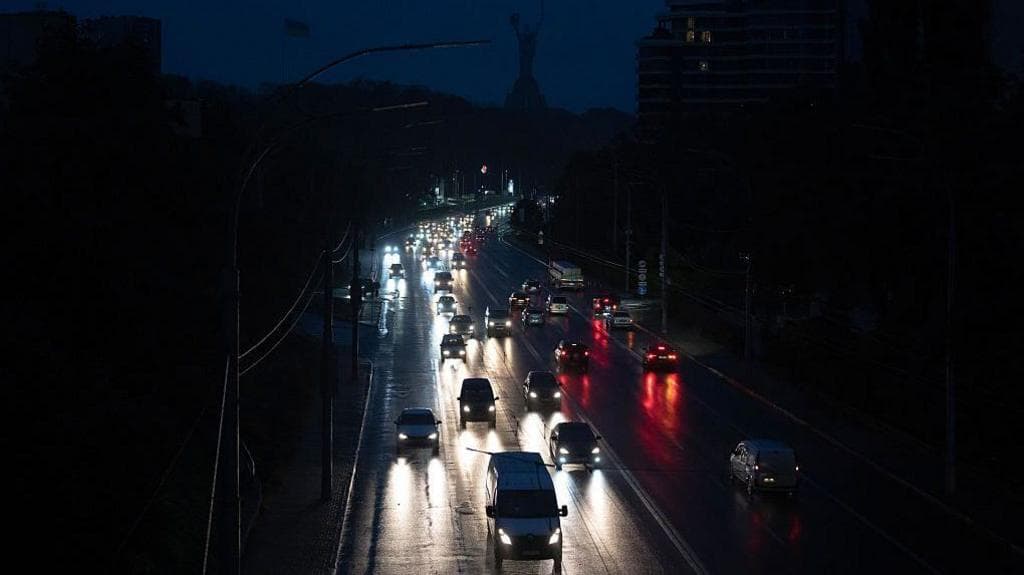
In Hemingway’s The Sun Also Rises, a man is asked how he went bankrupt. “Two ways,” he says. “Gradually, then suddenly.” People have been quoting that line for a century because it describes how most real catastrophes behave. The warning signs are there for years, and nobody reads them until the floor goes.

In Dostoevsky's Demons, a small cell of bored young men is pulled into murder by a manipulator who never touches the knife himself. Pyotr Verkhovensky understood something that every intelligence service has since learned: you don't need an army. You need a few lonely people and a reason for them to feel important.

In Leviathan, Thomas Hobbes offered humanity a plain bargain. We hand the state a share of our freedom, and in return we are protected from what awaits without it: the war of all against all. The deal is fair, said Hobbes, so long as the state really protects. But within a few centuries political thought grasped that the hard question is not whether to surrender freedom but how much, and who watches what the Leviathan does with it.

Odysseus knew there was no beating both monsters in the strait. Scylla would take six of his men; Charybdis could take the whole ship. A sensible captain picks the lesser evil and hugs the cliff. That scene came back to me this week as I read what the head of Poland’s central bank had to say.
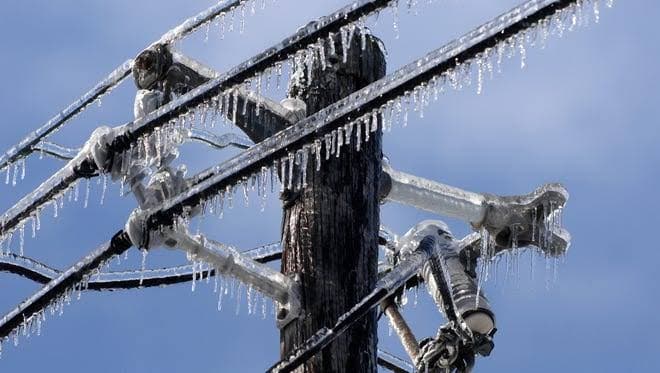
Thucydides left us one of the coldest sentences in all of literature: the strong do what they can, the weak suffer what they must. The Athenians said it to the Melians, who were still foolish enough to hope for fairness. I think of that dialogue whenever I hear a country’s fate being settled in rooms where its people are not sitting.