
Loading

Research and analysis on the architectural foundation of modern society: legal frameworks, regulatory systems, and public institutions. We examine how strong, transparent institutions foster social trust, ensure political stability, and drive sustainable economic progress.

My late father, a man who mended radios for a living, had a rule about promises. If someone told him the part was in the post, he would nod politely and keep the soldering iron warm. “Wait for the parcel,” he said. I have been thinking of that rule since Sunday, when the American president announced that Moscow and Kyiv had agreed to stop hitting each other’s energy plants.
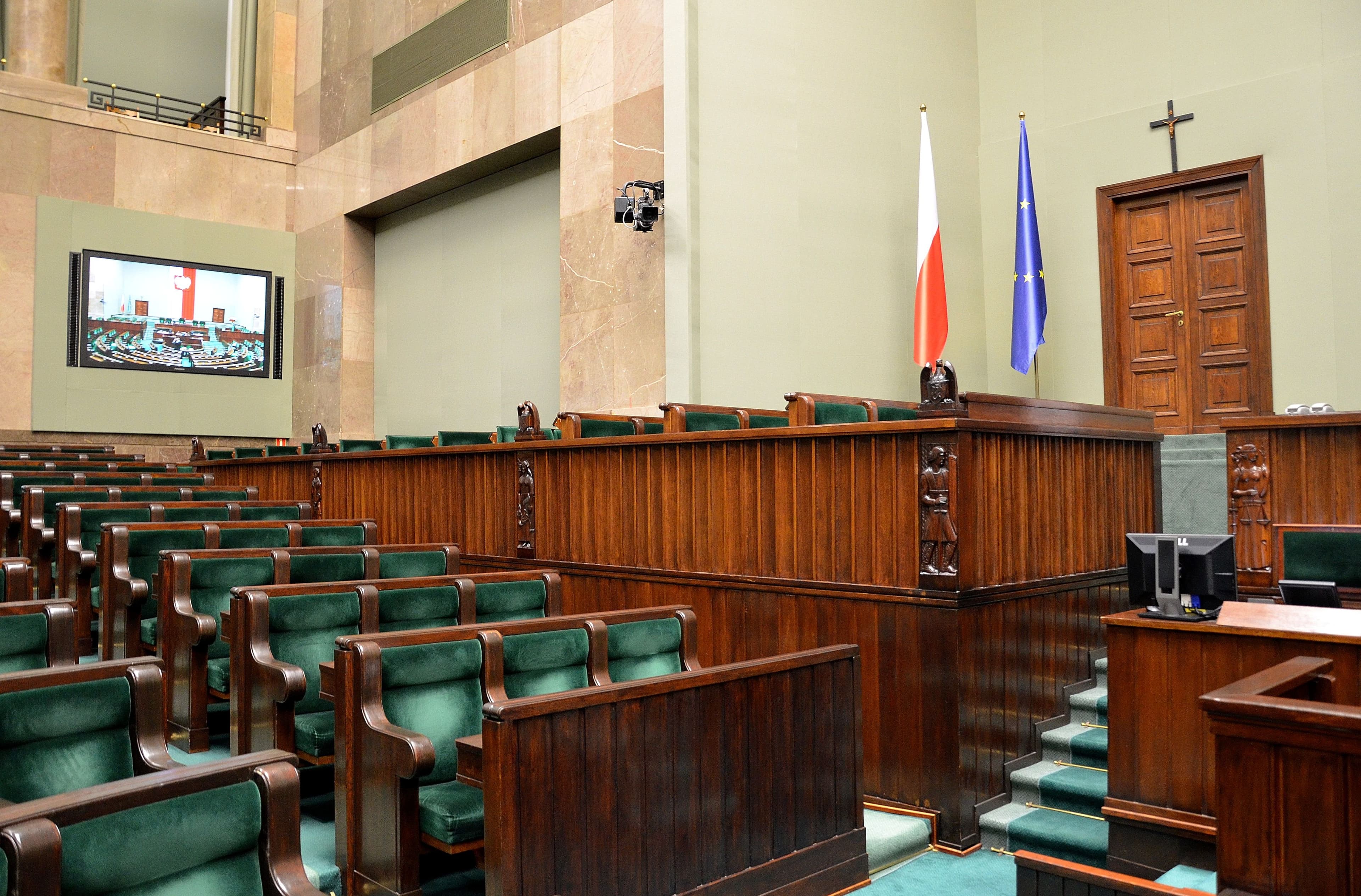
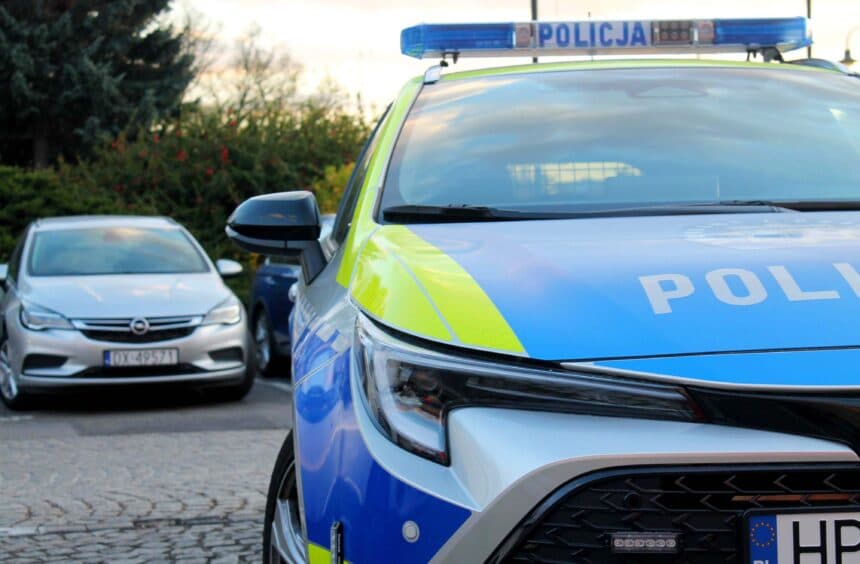
There is a scene in Stanisław Wyspiański’s The Wedding that Polish schoolchildren remember for life. The guests, their souls lulled to sleep after a long night, circle to the music of the chochoł, a straw figure wrapped in roses. The golden horn that was meant to summon them to action has been lost. Only a monotonous tune remains, and a whole nation turns on the spot. I thought of that scene reading what happened in Polish politics on 8 and 9 October. The Sejm voted almost unanimously to restrict the sale of alcohol. In the same twenty-four hours police were checking more than ten thousand schools, while the politicians kept swinging at the same circle of mutual reproach.
Let me tell you something I’ve learned in ten years of watching currency fights: when two sides argue this loudly about an exchange rate, they are almost never arguing about the exchange rate. They’re arguing about who gets to keep the factories.
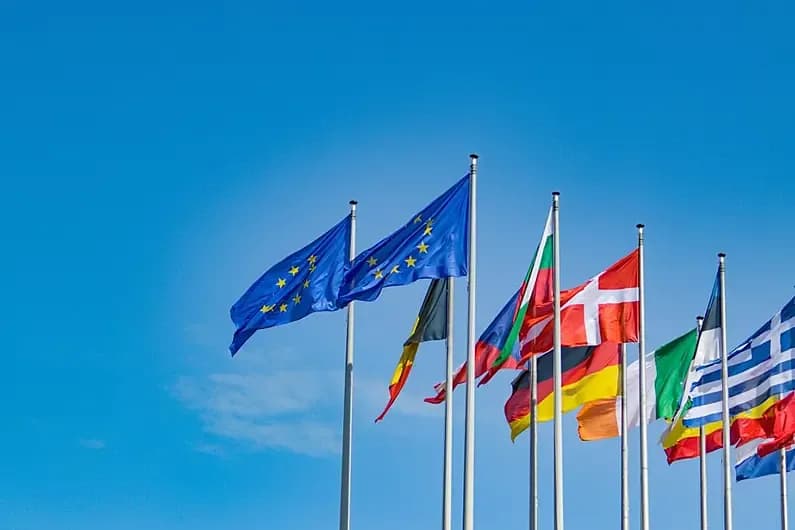
I have sat through enough finance ministers’ press conferences to know the choreography. Grave faces, measured vocabulary, a word like “targeted” dropped in every third sentence, as though precision of language could substitute for precision of policy. So when the eurozone’s finance ministers gathered on 8 October, I expected the usual fog. What I got instead was something closer to a confession. They want to shield people from dearer energy and keep the public purse in order, both at once. It is the political equivalent of wanting to eat the cake and still have the money for the oven.
In Dostoevsky's Demons, a small cell of bored young men is pulled into murder by a manipulator who never touches the knife himself. Pyotr Verkhovensky understood something that every intelligence service has since learned: you don't need an army. You need a few lonely people and a reason for them to feel important.
In Leviathan, Thomas Hobbes offered humanity a plain bargain. We hand the state a share of our freedom, and in return we are protected from what awaits without it: the war of all against all. The deal is fair, said Hobbes, so long as the state really protects. But within a few centuries political thought grasped that the hard question is not whether to surrender freedom but how much, and who watches what the Leviathan does with it.
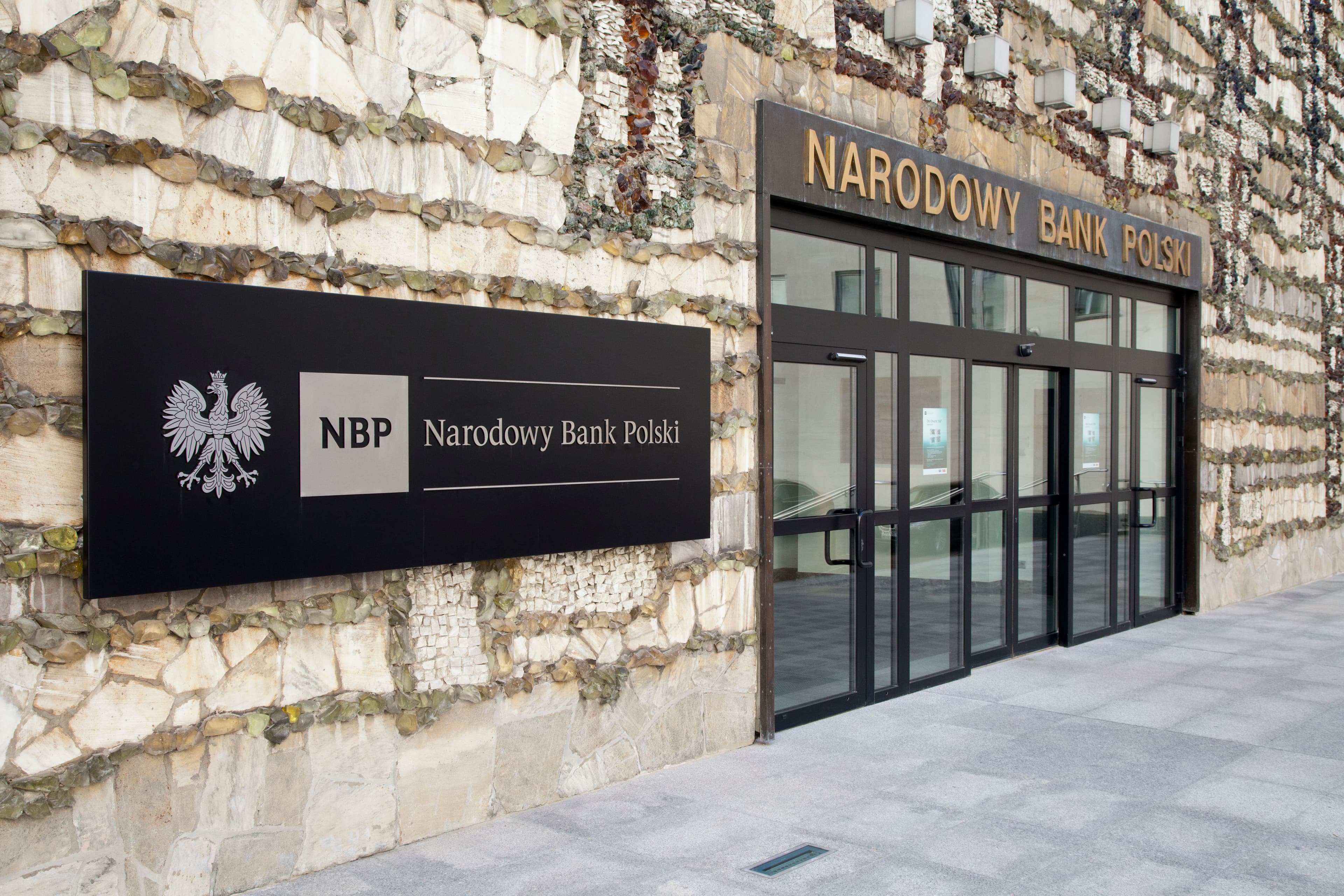
Odysseus knew there was no beating both monsters in the strait. Scylla would take six of his men; Charybdis could take the whole ship. A sensible captain picks the lesser evil and hugs the cliff. That scene came back to me this week as I read what the head of Poland’s central bank had to say.
Thucydides left us one of the coldest sentences in all of literature: the strong do what they can, the weak suffer what they must. The Athenians said it to the Melians, who were still foolish enough to hope for fairness. I think of that dialogue whenever I hear a country’s fate being settled in rooms where its people are not sitting.