

The Economy That Stopped Hiring but Won’t Stop Walking
There is an old American joke about the man who falls from a skyscraper and, passing the fortieth floor, tells himself that so far, so good. I thought of him on 8 October, reading the latest numbers from the US labour market. Nobody is being thrown out of the window. Nobody is being invited in, either. The building just hangs there, in a strange and watchful quiet.
In the week ending 3 October, 197,000 Americans filed first-time claims for unemployment benefit, which sits close to multi-year lows. Layoffs, in other words, are scarce. And yet in September the economy added just 29,000 jobs, and the unemployment rate reached 4.2%. Put those two facts side by side and you get a portrait that doesn’t look like a classic slump. It looks like employers holding their breath. They are clinging to the people they already have and flinching at the thought of hiring anyone new.
Why? I’d say it is a stew of nerves. Trade policy remains a fog. Borrowing is dear. Energy has turned expensive. And the supply of workers itself has been shifting under everyone’s feet. For those with a job, life is tolerably steady. For the young person knocking on doors for a first contract, or the worker trying to move sideways, the door is heavier than it was last year. This is the cruelty of a low-hiring economy: it protects the insiders and quietly shuts out everyone still waiting in the corridor. The statistics will call it stability. Those in the corridor will call it something else.
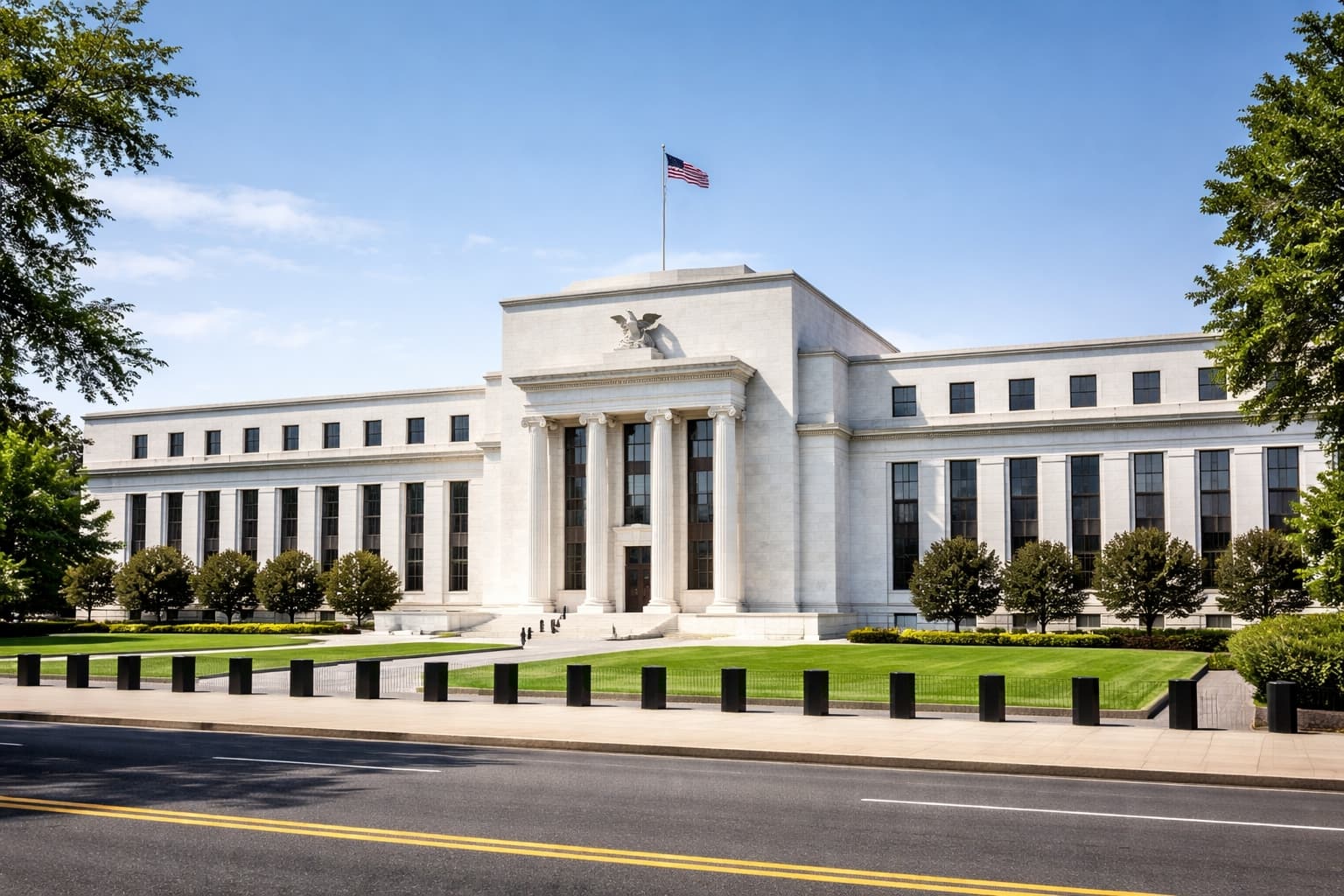
Then comes the Federal Reserve, which finds itself in an awkward corner of its own making, or perhaps of the world’s. In September it raised its benchmark rate by a quarter of a point, to a range of 3.75% to 4.00%. That was the first rise in three years, prompted by fear that inflation, fed by the energy shock, might dig in. But the feeble September jobs figure has since cooled the appetite for an immediate second hike. Markets now lean towards a pause in October, though further tightening hasn’t been ruled out. Here is the Fed’s dilemma in a sentence: prices demand caution, and a stalling labour market forbids heavy hands. Squeeze too hard and you break the thing you meant to protect.
What makes the picture so odd is that the rest of the economy isn’t behaving like a patient on the ward. US output grew at an annual rate of 2.2% in the second quarter, and economists pencil in something near 3% for the third. Mind the wording: that is a forecast, not a published result. Consumers are still spending, and firms are still buying equipment and technology. Pulling the other way are foreign trade and costly energy. So you have an economy that is growing without hiring, which should make anyone uneasy. Growth that doesn’t share itself out into jobs is a train with no passenger carriages.
And the war in the Gulf runs through all of it like a cracked pipe. Dearer oil and fuel raise the bills of households and businesses alike, and the pain lands hardest on transport, logistics, farming and any industry that burns a great deal of power. On 8 October President Trump said America would launch no new strikes on Iran before the midterm elections on 3 November, and oil prices eased. If real de-escalation took hold, inflationary pressure could fade and the case for further rate rises would weaken. But “if” is carrying a great deal of weight in that sentence. What we have is a possible path, not a restored flow of oil.