
Wird geladen

28 Publikationen

I have a habit I’m not proud of. When the news turns to war, my eyes glaze over at the maps and the generals, and I find myself staring at the petrol-station sign instead. Those glowing numbers are the most honest war correspondents we have. They don’t spin. They simply go up.

In Dostoevsky's Demons, a small cell of bored young men is pulled into murder by a manipulator who never touches the knife himself. Pyotr Verkhovensky understood something that every intelligence service has since learned: you don't need an army. You need a few lonely people and a reason for them to feel important.

In Leviathan, Thomas Hobbes offered humanity a plain bargain. We hand the state a share of our freedom, and in return we are protected from what awaits without it: the war of all against all. The deal is fair, said Hobbes, so long as the state really protects. But within a few centuries political thought grasped that the hard question is not whether to surrender freedom but how much, and who watches what the Leviathan does with it.
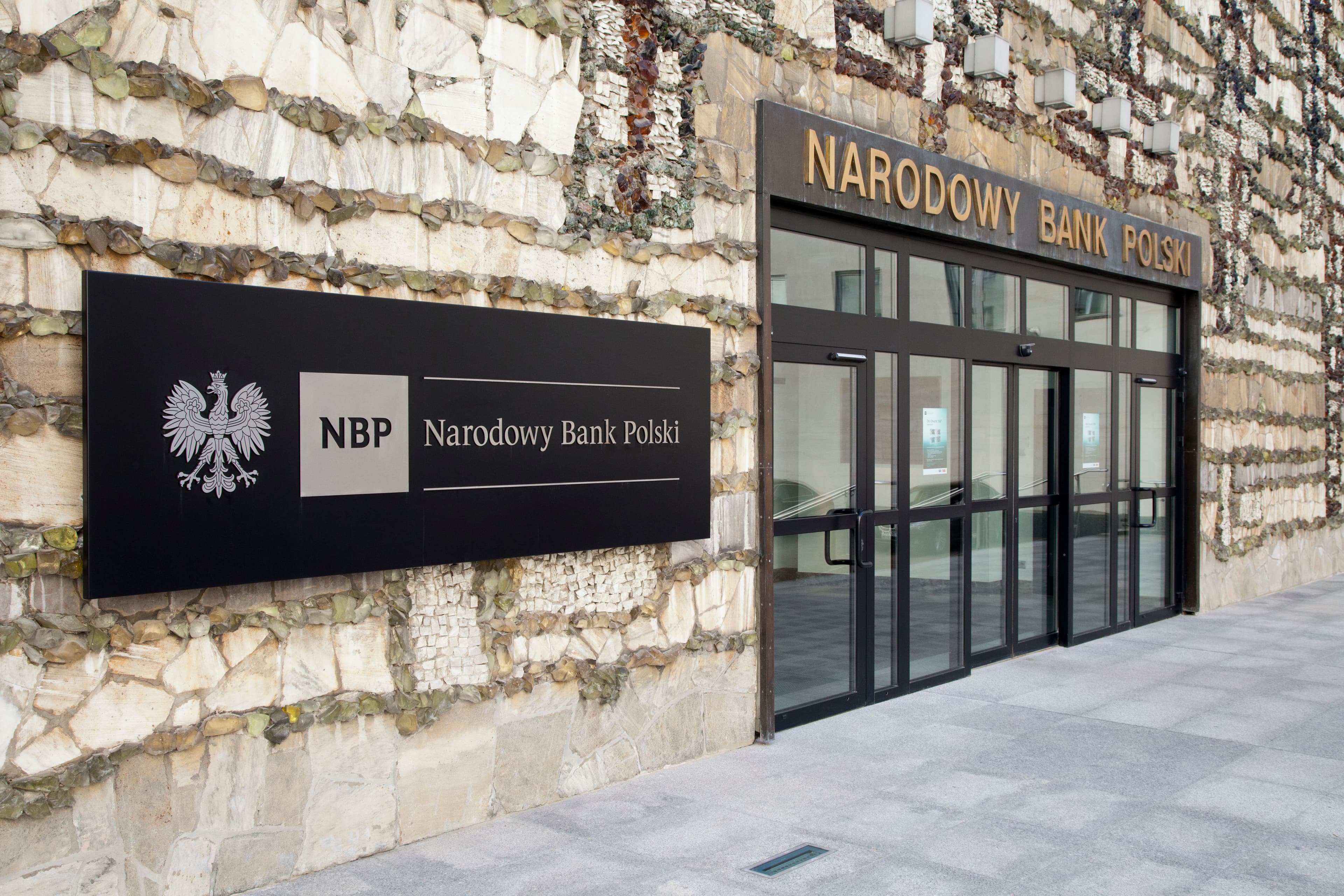
Odysseus knew there was no beating both monsters in the strait. Scylla would take six of his men; Charybdis could take the whole ship. A sensible captain picks the lesser evil and hugs the cliff. That scene came back to me this week as I read what the head of Poland’s central bank had to say.
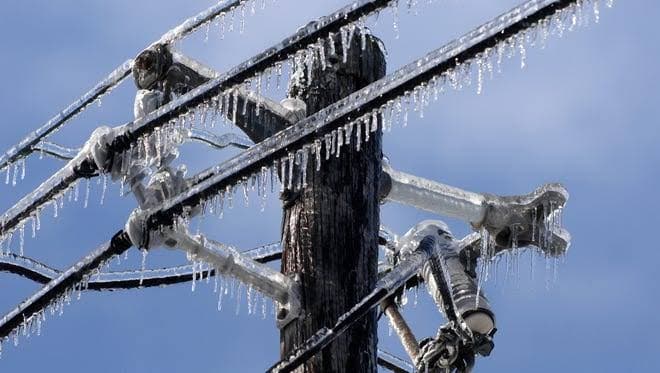
Thucydides left us one of the coldest sentences in all of literature: the strong do what they can, the weak suffer what they must. The Athenians said it to the Melians, who were still foolish enough to hope for fairness. I think of that dialogue whenever I hear a country’s fate being settled in rooms where its people are not sitting.

Wenn in den Medien über einen Cyberangriff berichtet wird, entsteht schnell ein bestimmtes Bild: Ein technisch hochqualifizierter Angreifer findet eine bislang unbekannte Schwachstelle, überwindet mehrere Sicherheitssysteme und verschafft sich unbemerkt Zugang zu einem Netzwerk. Solche Angriffe gibt es. In der Praxis beginnt ein erfolgreicher Angriff aber häufig deutlich unspektakulärer.
Neue Censys-Daten zeigen einen sprunghaften Anstieg öffentlich erreichbarer KI-Werkzeuge. Eine Recherche zu autonomen Angriffen macht deutlich, warum Unternehmen genauer auf die Infrastruktur hinter ihren Assistenten schauen müssen.
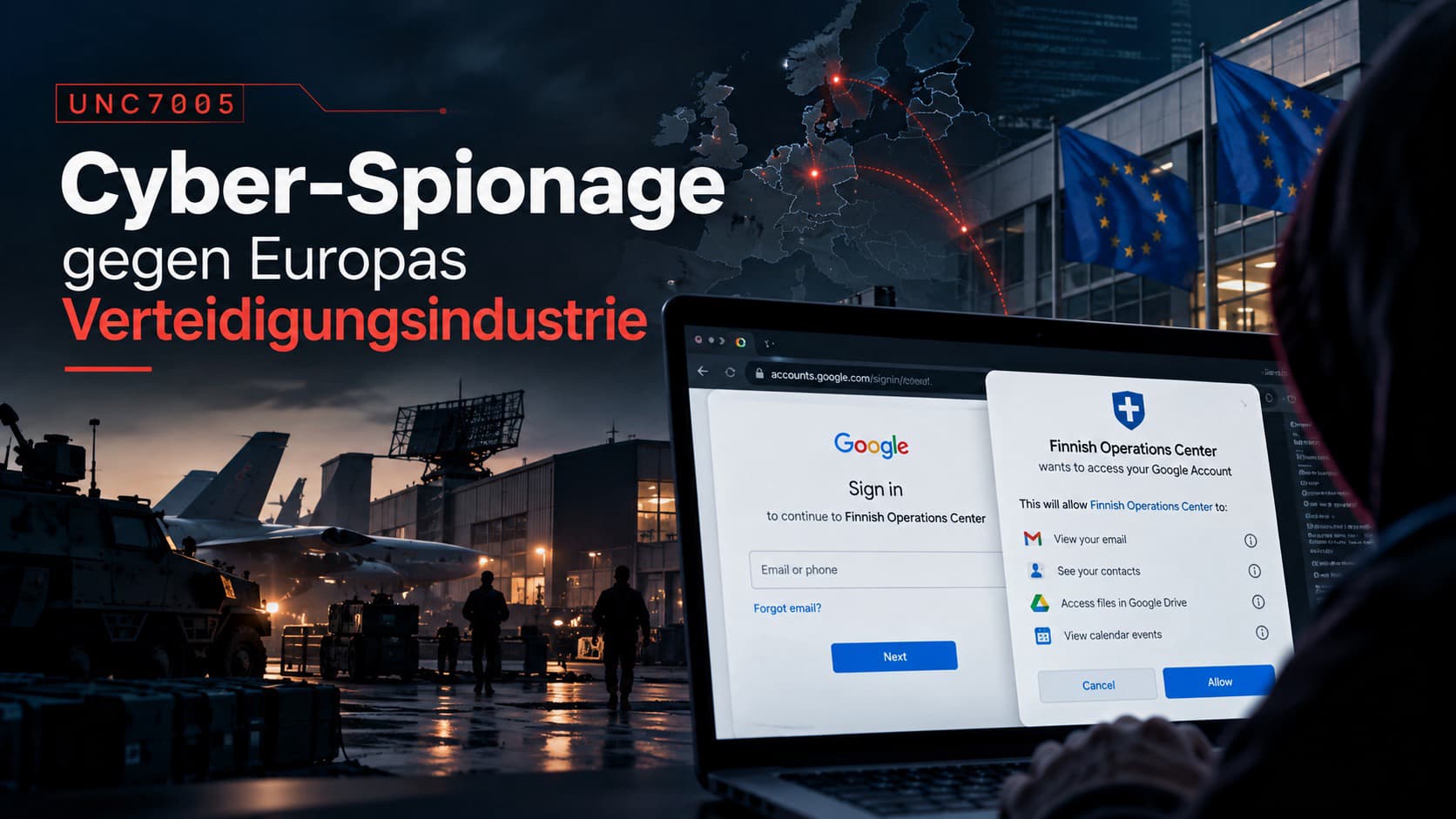
Im August 2026 beobachtete die Google Threat Intelligence Group eine gezielte Phishing-Kampagne gegen Personen aus dem Umfeld der europäischen Verteidigungsindustrie. Hinter den Angriffen steht der von Google als UNC7005 bezeichnete Threat Cluster, der russischen Interessen zugeordnet wird. Die Methode war vergleichsweise simpel, aber effektiv.