

Between Scylla and Charybdis
Odysseus knew there was no beating both monsters in the strait. Scylla would take six of his men; Charybdis could take the whole ship. A sensible captain picks the lesser evil and hugs the cliff. That scene came back to me this week as I read what the head of Poland’s central bank had to say.
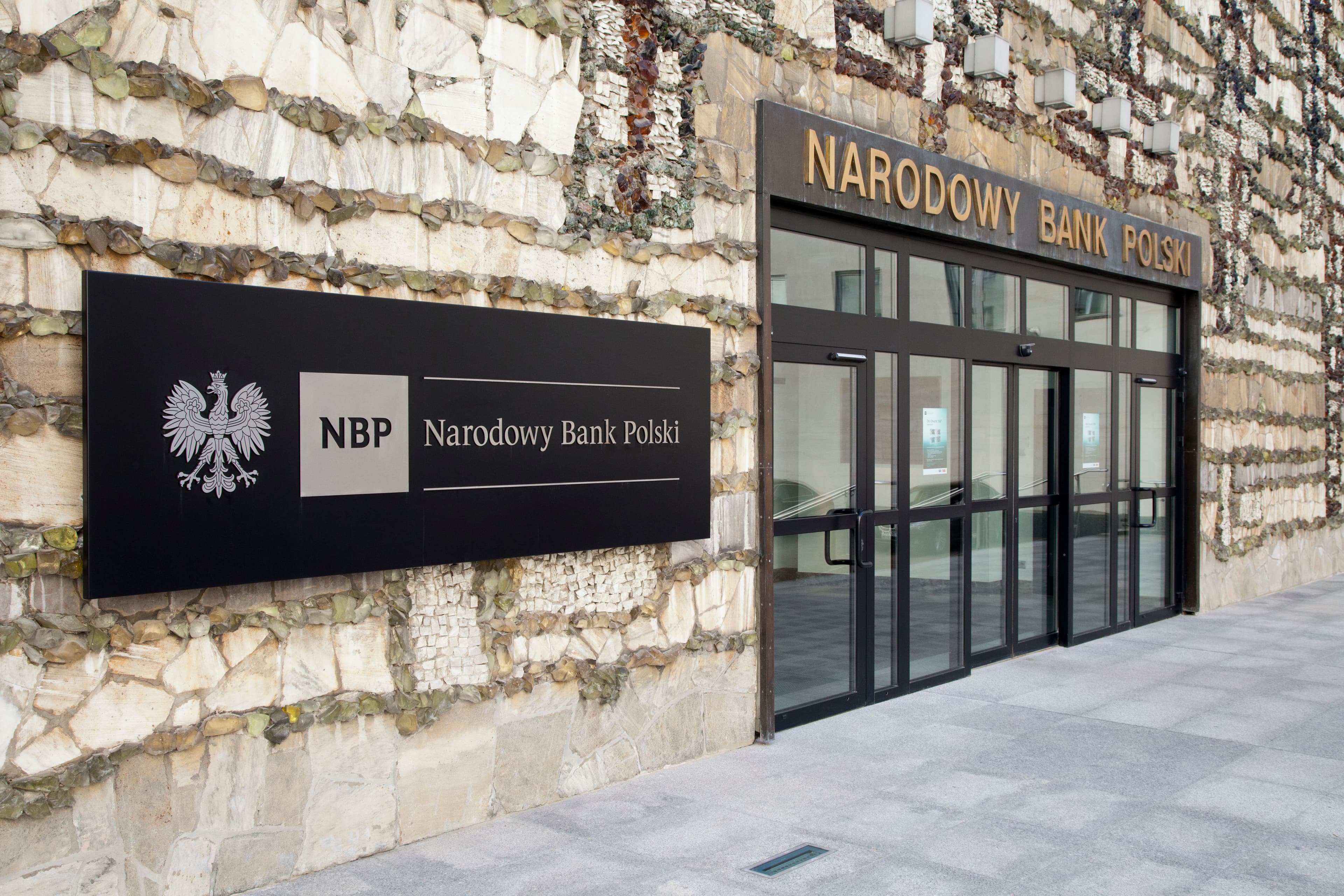
Adam Glapiński has sailed into a narrow passage. On one side, prices are creeping up again. On the other, an economy that has never liked expensive money. And the wind steering the ship blows from thousands of kilometres away.
A shock from afar
On 7 October the Monetary Policy Council left the benchmark rate at 3.75%. The next day Glapiński explained why: energy prices have jumped because of the conflict in the Middle East. The preliminary figure for September inflation was 4.0% year on year, above the upper edge of the central bank’s target band of 3.5%.
For perspective, in June Polish inflation was still sitting at 2.5%, bang in the middle of the target. One summer later it is a point and a half higher. Poland had grown comfortable breathing in disinflation, and now it has to think about the reverse.
The mechanism is almost schoolbook. War and disrupted shipping in the Middle East push up the price of oil. Petrol and diesel get dearer in Poland. Then everything that has to be carried somewhere follows: bread on the shelf, bricks on the building site, parts at the factory. But the chain between the first link and the last is long, and Glapiński says that as of 8 October there were no convincing signs of the shock spreading to other sectors. Four per cent inflation is a fact. Further acceleration is, for now, only a fear.
A banker holding his breath
The dilemma is a classic. Raise rates too early and you choke lending, investment and consumption. Wait too long and inflation expectations settle above target, and then the cure will hurt far more. Glapiński said the regulator is ready to act if needed, but he did not present a November hike as the base case. Everything hangs on the new NBP inflation projection due in November. For now this is the policy of a man with a finger near the button who has not yet pressed it.
It is worth remembering where we came from. In the spring, after the strikes on Iran and the trouble in the Strait of Hormuz, markets began pricing in the risk of hikes. The bank chose to pause. All year it has looked more cautious than many of its peers around the world. That caution is now being tested.
A windfall tax and a political two-step
On 1 October President Karol Nawrocki signed the law taxing the windfall profits of fuel companies. He had earlier objected to a previous version on constitutional grounds. Donald Tusk’s government intends to use the extra revenue to bring down fuel prices. The president, in signing, immediately reminded the government of its promise: petrol and diesel must get cheaper.