

Having Your Cake and Paying for the Oven
I have sat through enough finance ministers’ press conferences to know the choreography. Grave faces, measured vocabulary, a word like “targeted” dropped in every third sentence, as though precision of language could substitute for precision of policy. So when the eurozone’s finance ministers gathered on 8 October, I expected the usual fog. What I got instead was something closer to a confession. They want to shield people from dearer energy and keep the public purse in order, both at once. It is the political equivalent of wanting to eat the cake and still have the money for the oven.
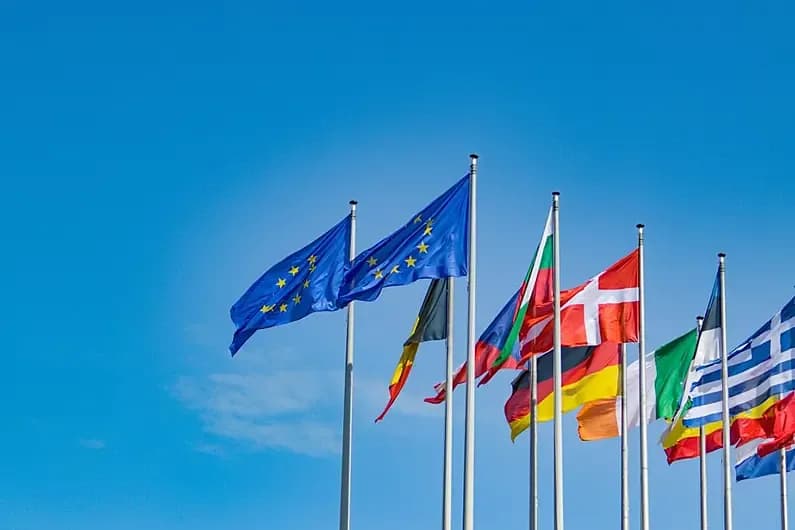
Kyriakos Pierrakakis, who chairs the Eurogroup, said the quiet part nearly out loud: energy prices are climbing, borrowing is getting costlier, and the pressure on budgets is mounting. The principle for helping households, he said, is that support should be temporary, targeted and fitted to local circumstances. Let’s be clear about what this is. It is the Eurogroup’s stated position, not a finished Europe-wide programme of subsidies. A principle is a promise to think, nothing more.
The numbers behind the nervousness are not dramatic, which is exactly what makes them slippery. Eurostat’s preliminary figures put September inflation at 3.8%, up from 3.2% in August, with energy and food doing most of the damage. Strip out the jumpiest items and core inflation crept from 2.4% to 2.5%. A small move, but don’t wave it away, because it is the one the European Central Bank studies with a jeweller’s loupe. If prices are rising mainly because of energy, a higher interest rate does little to the thing that actually sets the fire. You cannot cool a gas bill with a rate hike. But if services are getting dearer and wages are chasing prices, then inflation is learning to live in the walls of the house, and that is a different animal altogether.
So the ECB, whose deposit rate stood at 2.5% at the start of the month, walks a narrow ledge. Markets are musing about another rise, but musing is not a decision. Economists disagree about the timing: some see a pause until December, others a sooner move if energy jumps again. The bank is trying to avoid two sins at once, answering too softly, or squeezing too hard on an industrial base that is already wheezing.
Now add the arithmetic of debt. The Eurogroup’s chair spoke of a combined EU deficit of around 3.5% of GDP this year, of rising borrowing costs, and of growing demands for defence spending. Every euro has too many suitors: households, soldiers, roads, and the interest on money already borrowed. When investors demand more for holding your bonds, the bill for old debt eats the room you had for new ideas. That is why one energy shock lands so unevenly. A country with tidy books can keep helping its people for longer. A country already carrying a mountain, France being the obvious worry, finds the ground giving way beneath each fresh subsidy.
Then there’s the other front. Talks with China took centre stage the same day. Brussels is anxious about a flood of Chinese exports, cars above all, and the EU ran a trade deficit with China of roughly €360.6bn in 2025. It isn’t only a matter of balance sheets. It’s jobs, investment, and whether European firms still own the technologies of tomorrow or merely rent them.