
Wird geladen

Die Wirtschaft funktioniert nicht im luftleeren Raum — sie wird von Institutionen geprägt. In diesem Abschnitt untersuchen wir, wie Gesetze, regulatorische Rahmenbedingungen, der Schutz von Eigentumsrechten und eine effektive Governance die Voraussetzungen für Unternehmertum, Innovationen und eine stabile Zukunft schaffen.
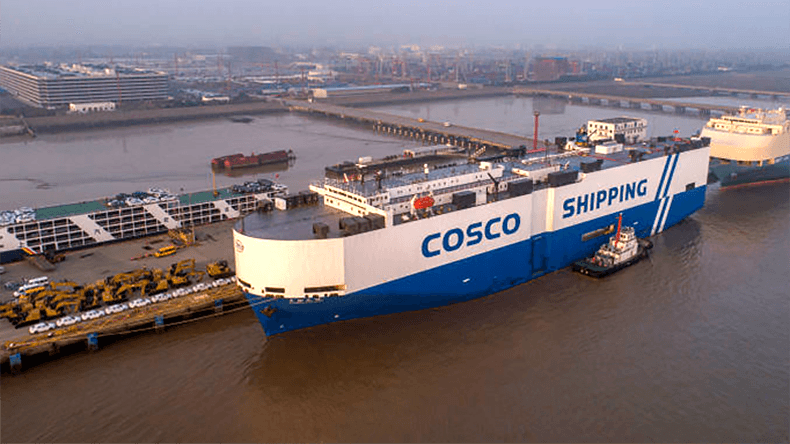
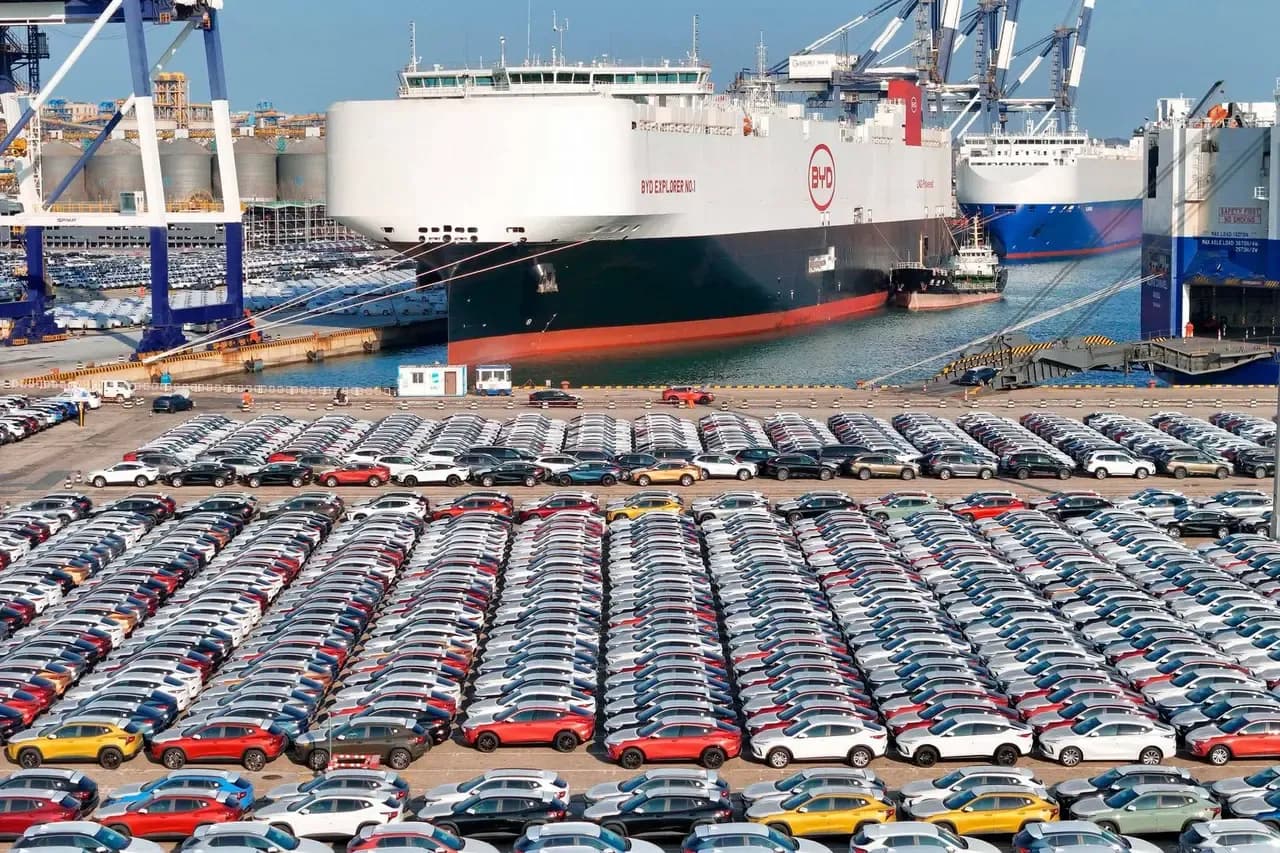
I once knew a baker who could turn out a thousand loaves while the neighborhood bought three hundred. He hauled the rest across town, and the farther he drove, the more the other bakers fumed about his cheap bread. He comes to mind every time I look at China’s car numbers. September. Domestic passenger car sales came in at 1.63 million, down 28.1% from a year earlier. That is twelve straight months of decline. Exports: 923,000 cars, up 73.2%. No retouching needed. Nobody at home is buying, so the cars get shipped around the world. The factories hum, the assembly lines turn, and the home customer seems to have stepped out for a cigarette and never come back.
Back in Chicago, I knew a corner-store owner who smiled at customers so warmly you wanted to buy things you didn’t need. Under the counter he kept a baseball bat. He never once used it. But everyone on the block knew it was there, and that is exactly why nobody argued with him. Beijing’s last 24 hours reminded me of that man down to the last detail. Start with the smile. On October 12, China’s Commerce Ministry reported on intensive consultations with the Europeans over hybrid and electric cars. Beijing insists on non-discriminatory allocation of export quotas and talks of a mechanism to raise permitted volumes relative to 2025 levels. That is a significant addition to the European Commission’s October 9 message about a possible sharp cut in Chinese hybrid exports. Both sides confirm the talks go on. The final numbers, and how they will be applied, remain open.
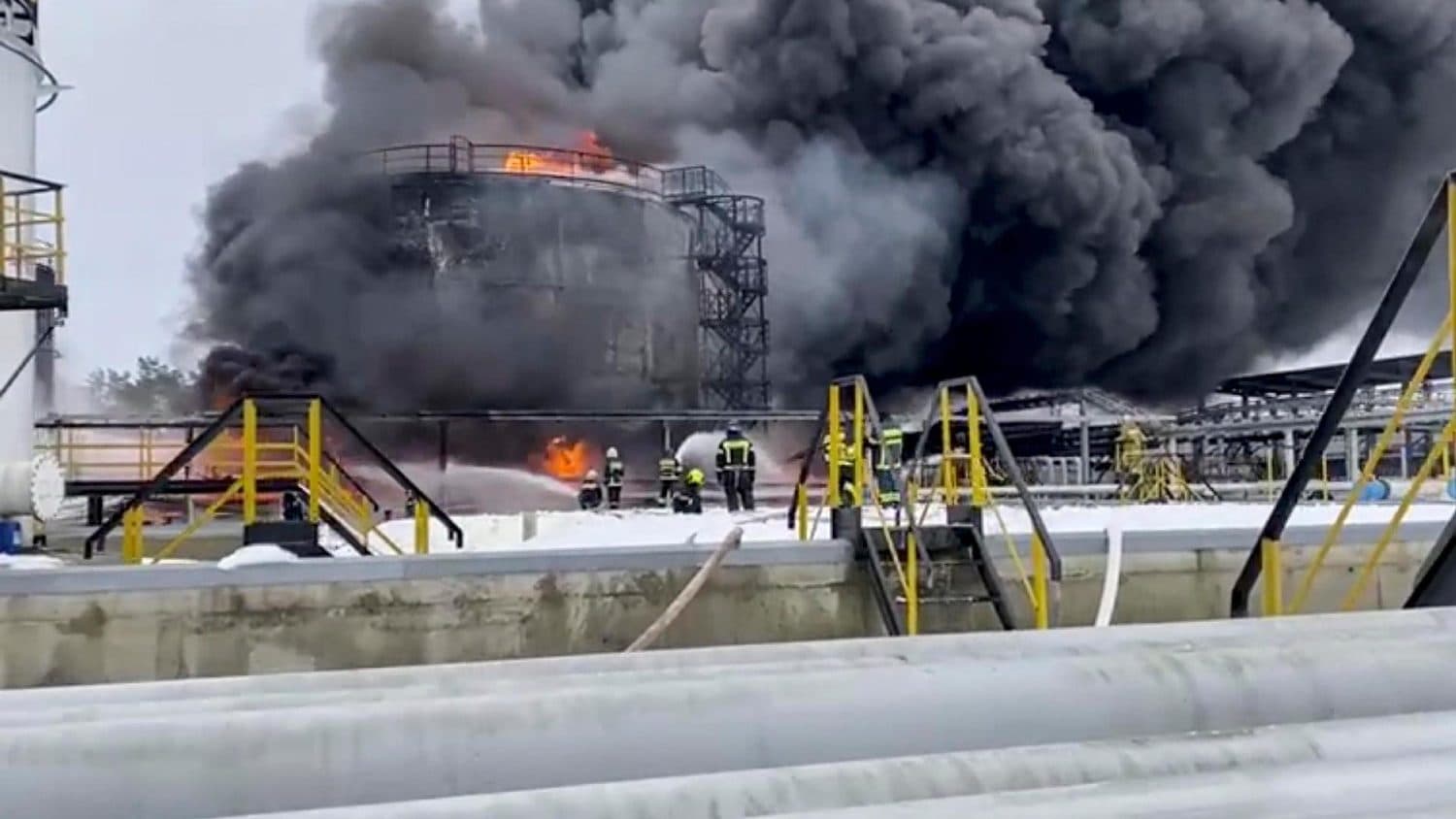
Joseph Heller gave us Catch-22, a rule so perfectly circular that the only way out was never to need one. Washington has now written its own version. Ukraine is told to stop hitting the refineries that feed the Russian war machine, because the diesel from those refineries is making American trucks more expensive to run. On 10 October Donald Trump said publicly that Ukraine should change its president, and he demanded an end to the strikes on Russian oil plants. The day before, his administration had announced an arrangement with Vladimir Putin to increase Russian diesel supplies and had temporarily eased the related sanctions. Volodymyr Zelensky sees it the other way round: every barrel freed from restrictions is a shell Russia can afford to fire.
My grandmother used to say that you can tell what a man truly values by what he is willing to trade when the bill comes due. She was talking about a neighbour who sold his father’s watch to pay for a wedding, but I have thought of her a good deal this week. On 9 October the President of the United States announced an arrangement with Vladimir Putin to let Russian diesel flow, and the reason given was the price at the American pump.

I once knew a baker who could tell the state of the economy by the size of the queue at six in the morning, long before any minister cleared his throat. Her verdict never came with decimals. It came with a shrug, or a sigh, or a sudden decision to stop selling the expensive loaves. I thought of her on 9 October, when the University of Michigan published its preliminary October reading of consumer sentiment, and the number landed like a stone in a pond.
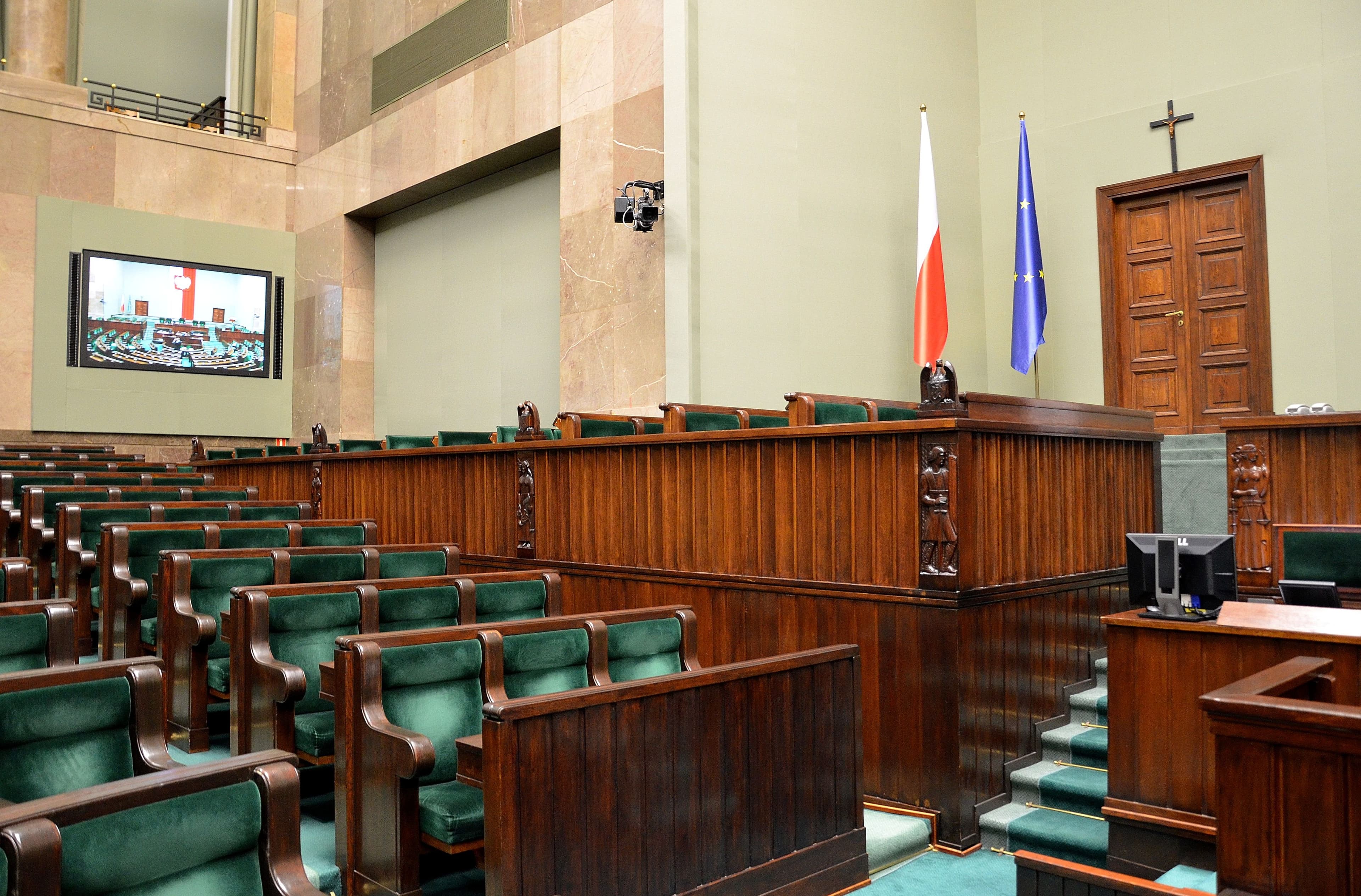
There is a scene in Stanisław Wyspiański’s The Wedding that Polish schoolchildren remember for life. The guests, their souls lulled to sleep after a long night, circle to the music of the chochoł, a straw figure wrapped in roses. The golden horn that was meant to summon them to action has been lost. Only a monotonous tune remains, and a whole nation turns on the spot. I thought of that scene reading what happened in Polish politics on 8 and 9 October. The Sejm voted almost unanimously to restrict the sale of alcohol. In the same twenty-four hours police were checking more than ten thousand schools, while the politicians kept swinging at the same circle of mutual reproach.
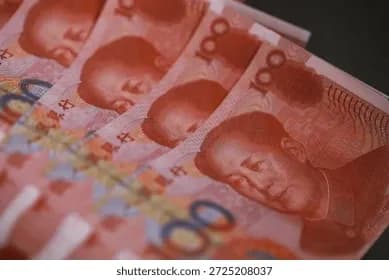
Let me tell you something I’ve learned in ten years of watching currency fights: when two sides argue this loudly about an exchange rate, they are almost never arguing about the exchange rate. They’re arguing about who gets to keep the factories.
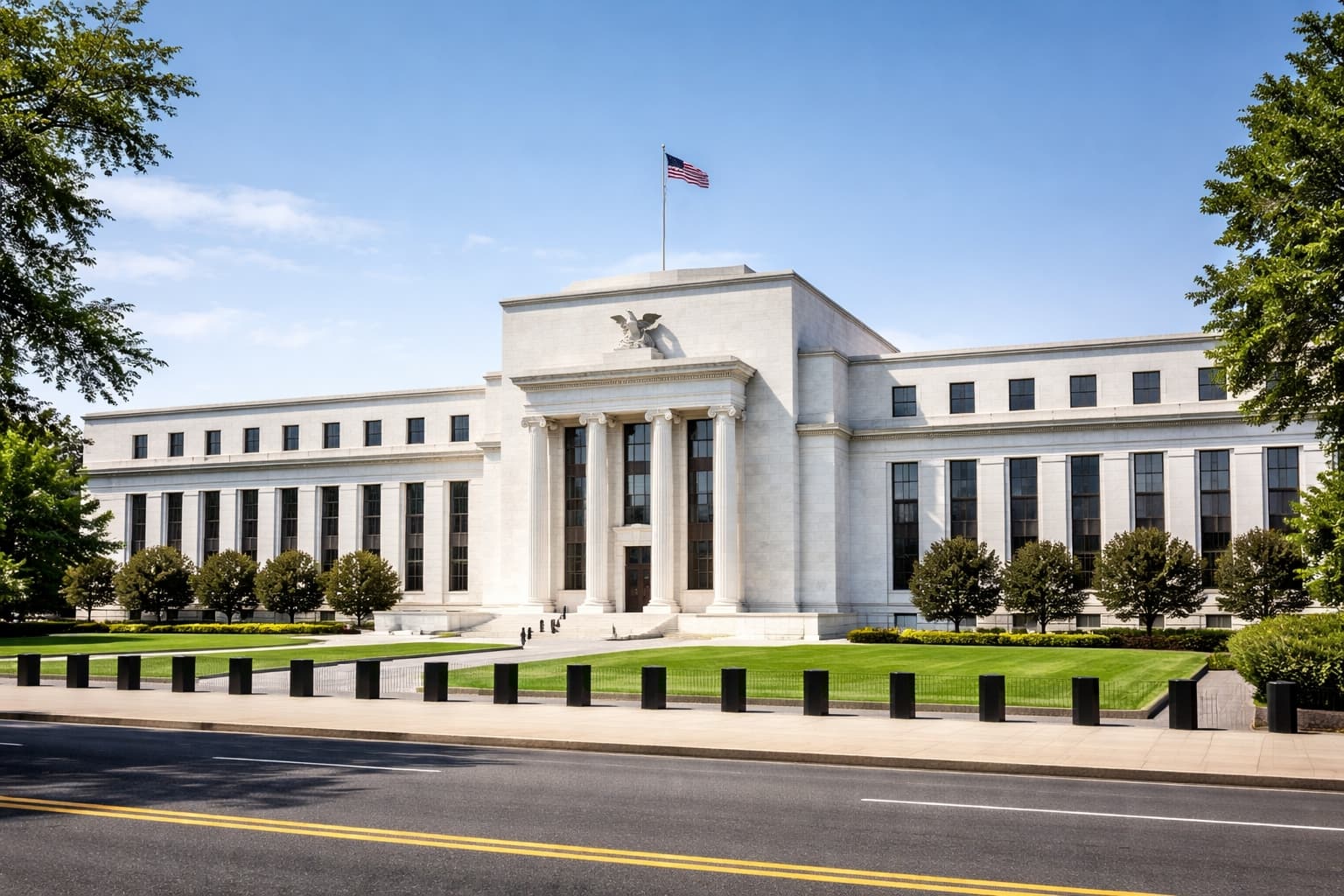
There is an old American joke about the man who falls from a skyscraper and, passing the fortieth floor, tells himself that so far, so good. I thought of him on 8 October, reading the latest numbers from the US labour market. Nobody is being thrown out of the window. Nobody is being invited in, either. The building just hangs there, in a strange and watchful quiet.
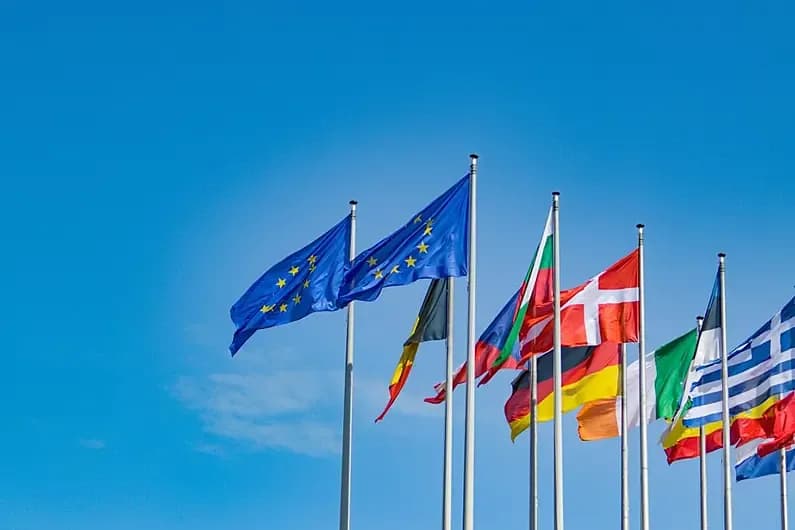
I have sat through enough finance ministers’ press conferences to know the choreography. Grave faces, measured vocabulary, a word like “targeted” dropped in every third sentence, as though precision of language could substitute for precision of policy. So when the eurozone’s finance ministers gathered on 8 October, I expected the usual fog. What I got instead was something closer to a confession. They want to shield people from dearer energy and keep the public purse in order, both at once. It is the political equivalent of wanting to eat the cake and still have the money for the oven.

I have a habit I’m not proud of. When the news turns to war, my eyes glaze over at the maps and the generals, and I find myself staring at the petrol-station sign instead. Those glowing numbers are the most honest war correspondents we have. They don’t spin. They simply go up.

Odysseus knew there was no beating both monsters in the strait. Scylla would take six of his men; Charybdis could take the whole ship. A sensible captain picks the lesser evil and hugs the cliff. That scene came back to me this week as I read what the head of Poland’s central bank had to say.