
Ładowanie

28 publikacji

Mój sąsiad jednej jesieni postanowił naprawić dach. Naprawił dokładnie połowę. Z drugą, mówił, nie ma co się spieszyć, bo deszcz jeszcze nie spadł. Od tamtej pory czytam światowe wiadomości jak ten dach. Wszędzie coś się łata, podpiera deskami, zalepia, i prawie nigdzie nie doprowadza do końca. Świat 27 października 2026 roku to dokładnie taka konstrukcja: pół dachu nowego, pół dziurawego, a za oknem listopad.

Землемір К. у Кафки отримує виклик до Замку, який він бачить із села, але до якого не доходить ніколи. Приходять листи, чиновники суперечать один одному, а рішення, що визначає все його життя, ухвалюється в кімнаті, куди він не потрапить. Найбільше в «Замку» вражає, наскільки розсудливо все звучить. Ніхто не жорстокий. Система просто влаштована так, що в людей, які під нею живуть, немає дверей, у які можна постукати. Я згадав К. цього понеділка, перечитуючи новини вихідних. Вісім чи дев'ять окремих історій мають одну архітектуру. Звичайні люди в Києві, Варшаві, Ліоні та Атланті чекають вироків, які виносять десь поза їхнім зором.
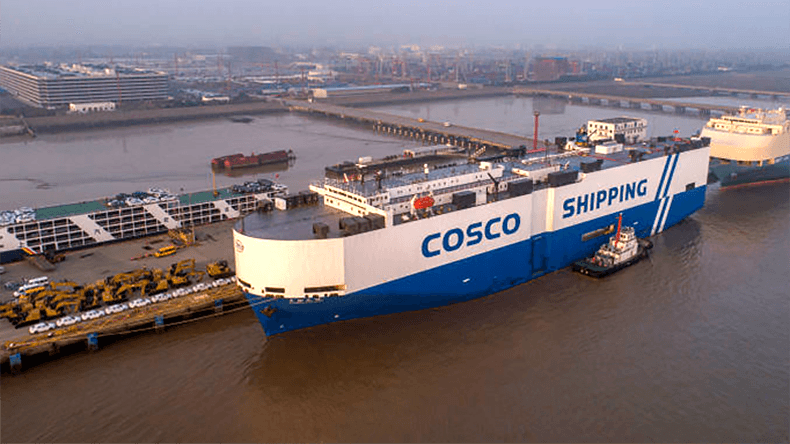
Znałem kiedyś piekarza, który potrafił wypiec tysiąc bochenków, choć na osiedlu kupowano trzysta. Resztę wozem rozwoził po innych dzielnicach, a im dalej jechał, tym bardziej denerwowali się tamtejsi sąsiedzi, bo chleb był tani. Wspominam go za każdym razem, gdy patrzę na chińskie dane o motoryzacji. Wrzesień. Sprzedaż samochodów osobowych na chińskim rynku wewnętrznym wyniosła 1,63 mln sztuk, o 28,1% mniej niż rok wcześniej. To już dwunasty miesiąc spadków z rzędu. A eksport: 923 tys. aut, plus 73,2%. Obraz bez retuszu: w domu samochodów nie kupują, więc wozi się je po świecie. Fabryki pracują, taśmy się kręcą, a własny klient jakby wyszedł na papierosa i nie wrócił.

My late father, a man who mended radios for a living, had a rule about promises. If someone told him the part was in the post, he would nod politely and keep the soldering iron warm. “Wait for the parcel,” he said. I have been thinking of that rule since Sunday, when the American president announced that Moscow and Kyiv had agreed to stop hitting each other’s energy plants.

Stefan Zweig wrote in The World of Yesterday that nobody in Vienna noticed the old order dying. Trams still ran, cafés still poured coffee, and the clerks went home at five. The rot, he said, doesn’t announce itself. It arrives as a series of small administrative facts. I thought of Zweig this morning, going through the last twenty-four hours in Poland and around it. Taken one by one, the items look like routine business. Put side by side, they say something less comfortable.
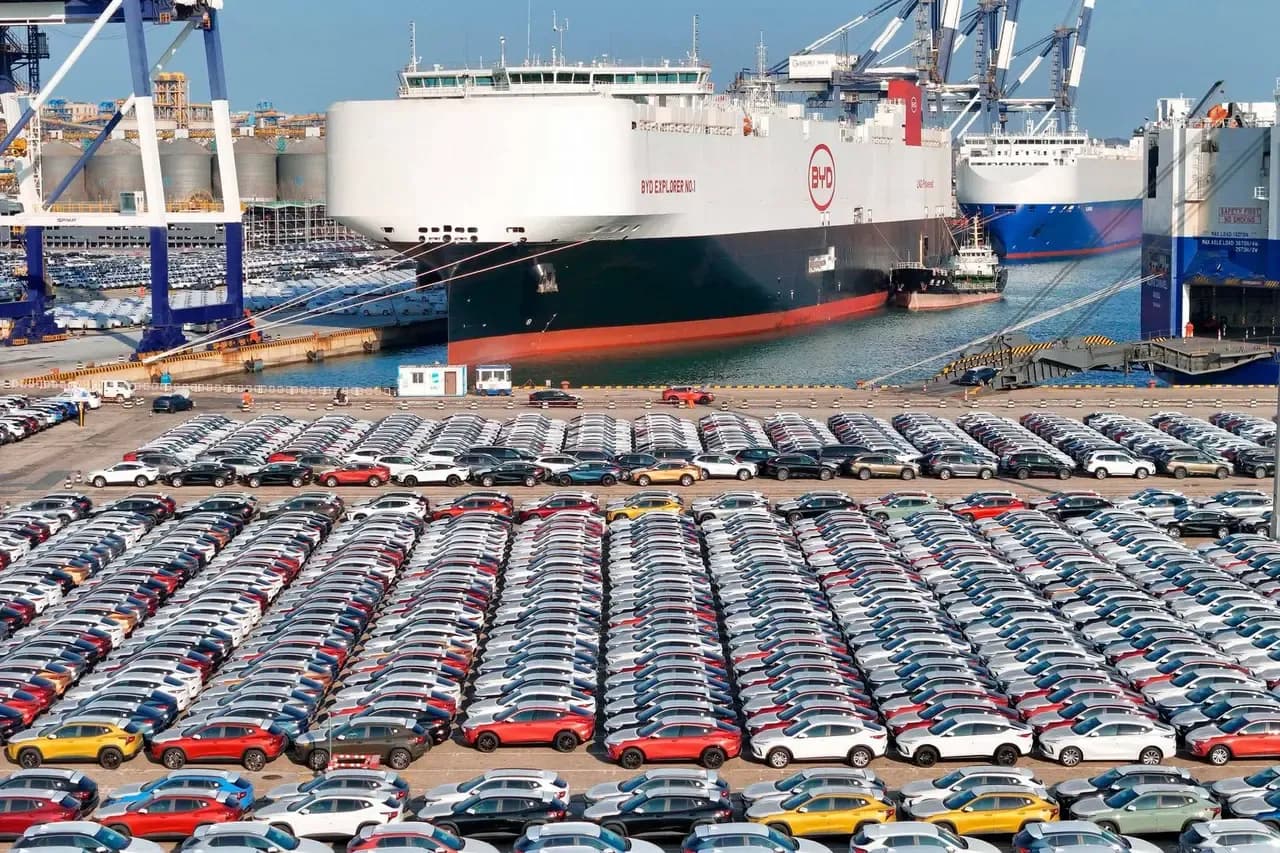
Kiedyś w Chicago znałem właściciela sklepiku na rogu, który uśmiechał się do klienta tak serdecznie, że chciało się kupić nawet to, czego się nie potrzebowało. A pod ladą trzymał kij bejsbolowy. Nigdy go nie użył. Ale cała ulica wiedziała, że tam leży, i dlatego nikt się z nim nie kłócił. Ostatnia doba pekińskiej dyplomacji przypomniała mi tego człowieka co do joty. Zacznijmy od uśmiechu. 12 października chińskie Ministerstwo Handlu opowiedziało o wynikach intensywnych konsultacji z Europejczykami w sprawie samochodów hybrydowych i elektrycznych. Pekin domaga się niedyskryminacyjnego podziału kwot eksportowych i mówi o mechanizmie zwiększania dozwolonych wolumenów względem poziomu z 2025 roku. To istotne uzupełnienie komunikatu Komisji Europejskiej z 9 października o możliwym gwałtownym ograniczeniu chińskiego eksportu hybryd. Obie strony potwierdziły, że rozmowy trwają. Ostateczne liczby i sposób ich stosowania nie są jeszcze ustalone.

There is a question I used to ask my students on the first day of every course, and it still gets the most uncomfortable silence: when a government speaks to you, who is paying for the microphone? The answer, in a democracy, is you. That is why a ruling handed down on 11 October in a federal courtroom deserves more attention than its dry procedural language suggests.
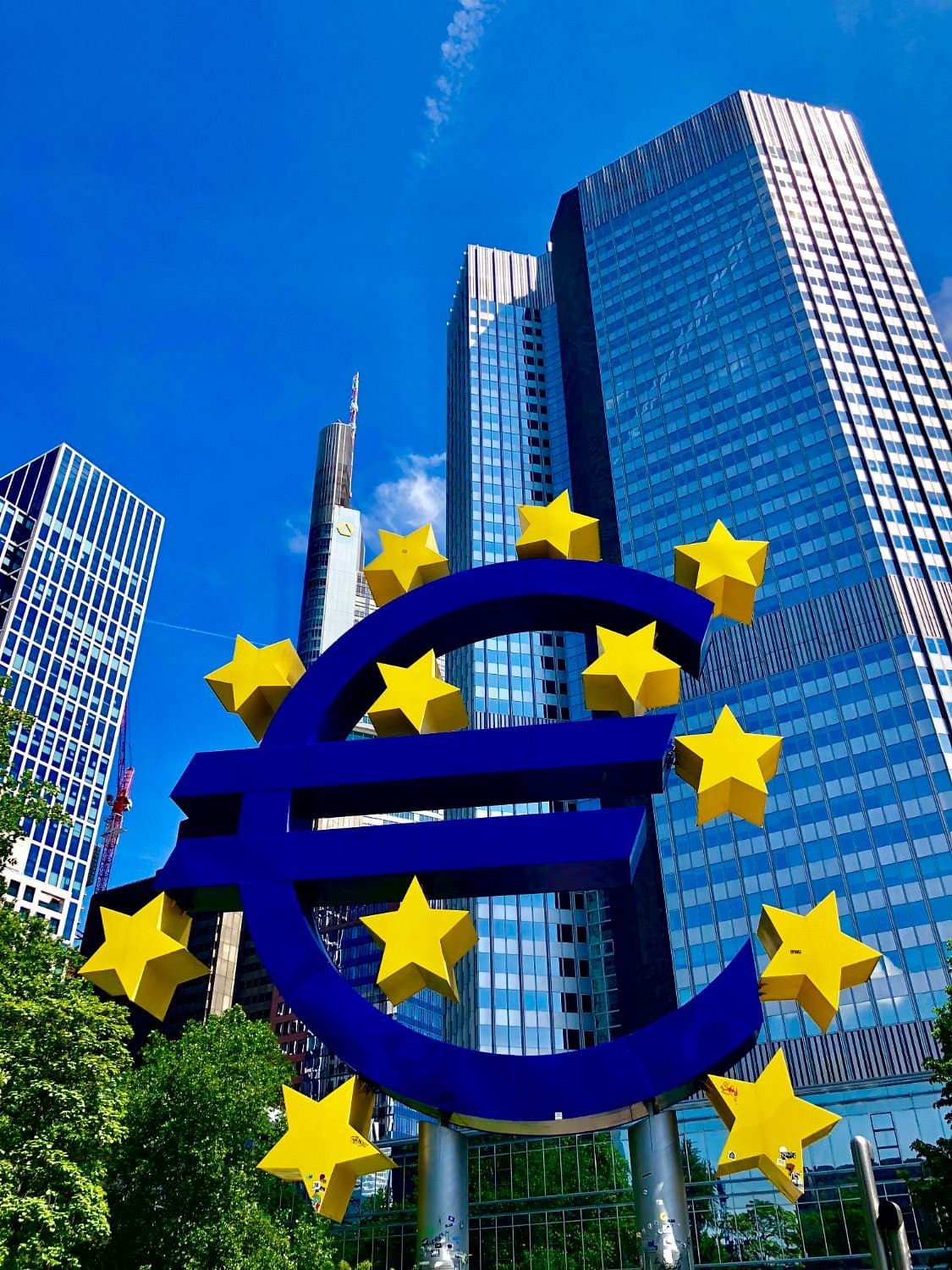
Mój dziadek trzymał oszczędności w blaszanej puszce po ciasteczkach. Kiedy pytałem dlaczego, odpowiadał: „Bank może upaść, a puszka nigdy”. Wspominam tę puszkę za każdym razem, gdy słyszę o europejskich rynkach kapitałowych. Bo Europa to w gruncie rzeczy jedna wielka puszka po ciasteczkach, tyle że z dziesięcioma bilionami euro w środku. 9 października ministrowie finansów państw UE uzgodnili podstawy swojego stanowiska w sprawie reformy MISP, czyli pakietu o integracji i nadzorze nad rynkami. Pomysł jest taki: część uprawnień nadzorczych wobec największych transgranicznych platform obrotu i podmiotów infrastrukturalnych przekazać ESMA, a zarządzającym aktywami obniżyć bariery i uprościć niektóre operacje transgraniczne. Od razu zastrzeżenie: to tylko stanowisko Rady. Przed nami negocjacje z Parlamentem Europejskim i do prawa jeszcze daleko.
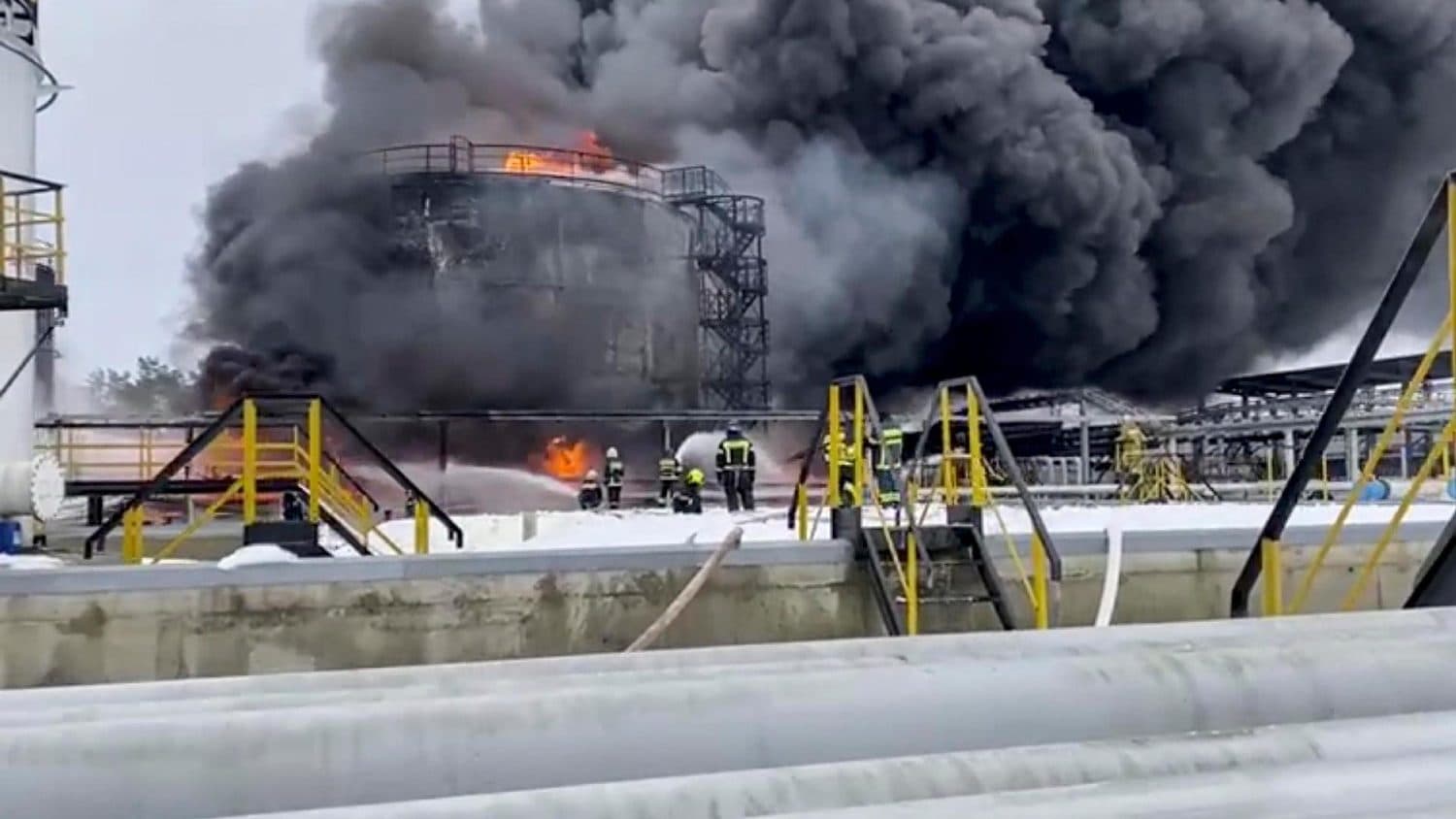
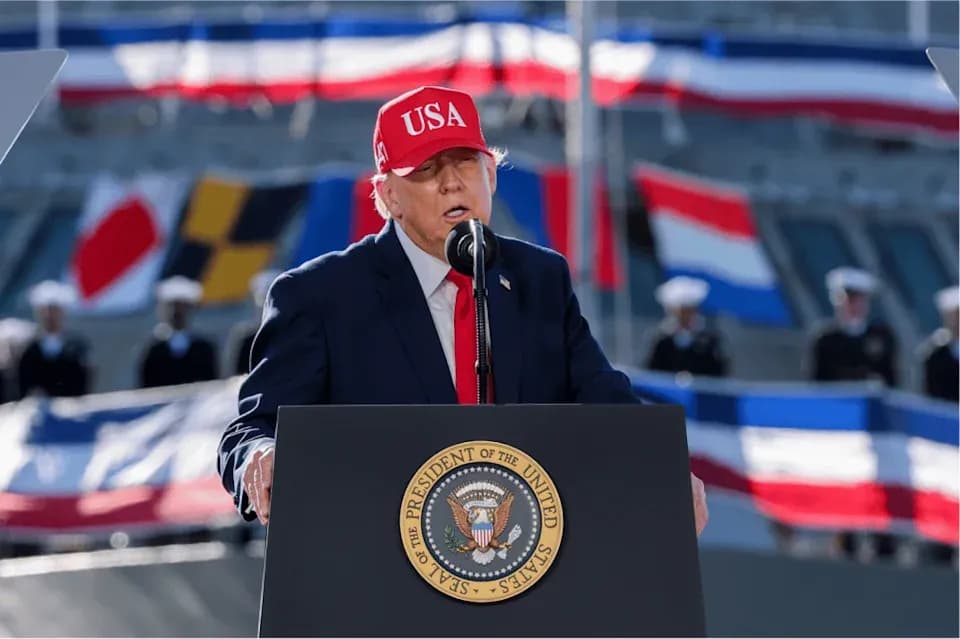
Joseph Heller gave us Catch-22, a rule so perfectly circular that the only way out was never to need one. Washington has now written its own version. Ukraine is told to stop hitting the refineries that feed the Russian war machine, because the diesel from those refineries is making American trucks more expensive to run. On 10 October Donald Trump said publicly that Ukraine should change its president, and he demanded an end to the strikes on Russian oil plants. The day before, his administration had announced an arrangement with Vladimir Putin to increase Russian diesel supplies and had temporarily eased the related sanctions. Volodymyr Zelensky sees it the other way round: every barrel freed from restrictions is a shell Russia can afford to fire.
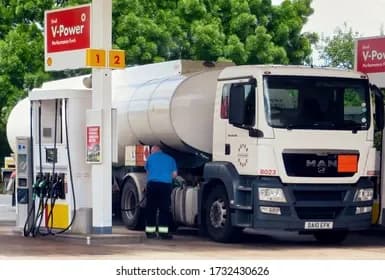
My grandmother used to say that you can tell what a man truly values by what he is willing to trade when the bill comes due. She was talking about a neighbour who sold his father’s watch to pay for a wedding, but I have thought of her a good deal this week. On 9 October the President of the United States announced an arrangement with Vladimir Putin to let Russian diesel flow, and the reason given was the price at the American pump.
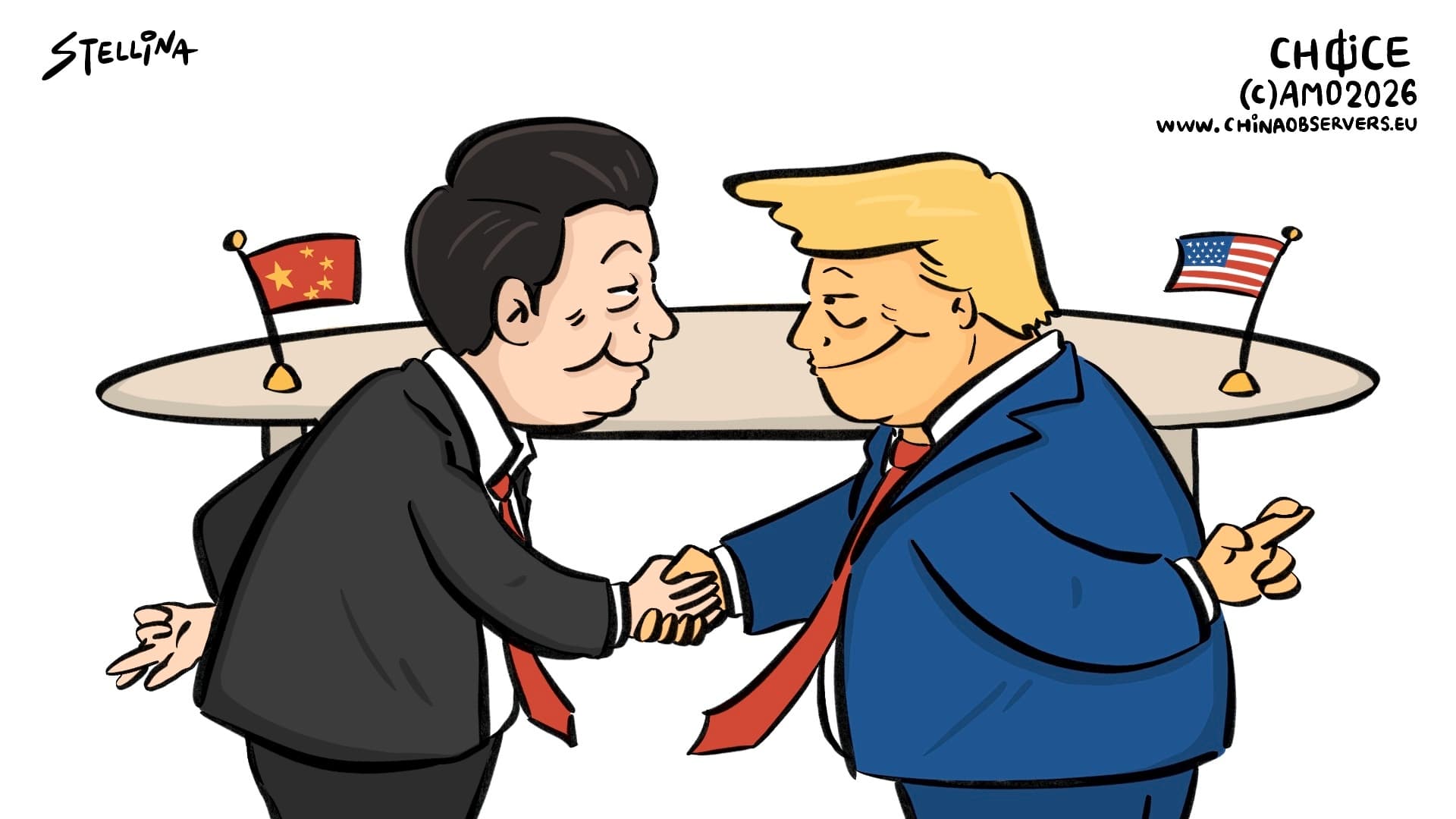
Pamiętam starego szachistę ze stolika w parku. Potrafił prowadzić trzy partie jednocześnie i przy tym opowiadać dowcipy. Wszyscy myśleli, że jest roztargniony. A on po prostu wiedział, że najgroźniejszy jest ten, kto się nie spieszy. Dokładnie ten obraz wraca do mnie, gdy patrzę w tym tygodniu na chińską politykę zagraniczną.

Zwei kritische PHP-Schwachstellen, vorsorglich abgeschaltete Behördenportale und KI-gestützte Sicherheitsforschung: Was hinter dem Ausnahmezustand im Web steckt.
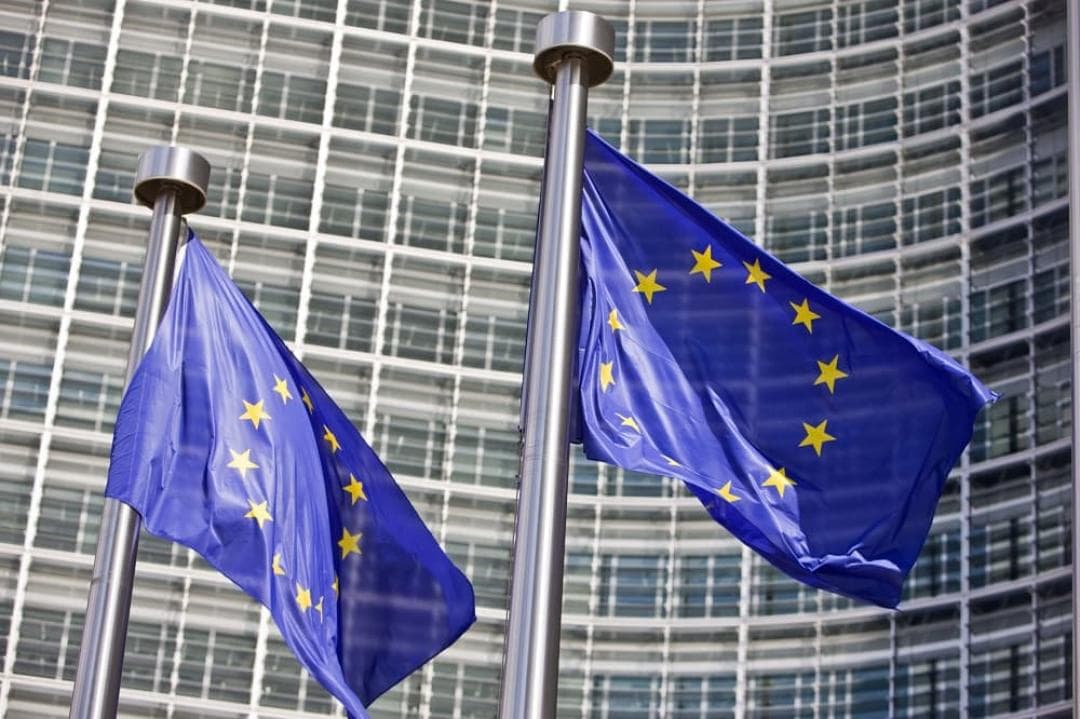
Every autumn, European leaders drive to Brussels with a briefcase of grievances and a promise to find common ground. I have watched this ritual for years, and it reminds me of a family dinner where everyone agrees the table is too small and nobody offers to leave. The next such gathering falls on 15 and 16 October, and the invitation, sent out on 8 October by the president of the European Council, reads like a list of everything that keeps Europeans awake: energy, competitiveness, the EU budget for 2028 to 2034, Ukraine, defence, migration and enlargement.
I once knew a baker who could tell the state of the economy by the size of the queue at six in the morning, long before any minister cleared his throat. Her verdict never came with decimals. It came with a shrug, or a sigh, or a sudden decision to stop selling the expensive loaves. I thought of her on 9 October, when the University of Michigan published its preliminary October reading of consumer sentiment, and the number landed like a stone in a pond.
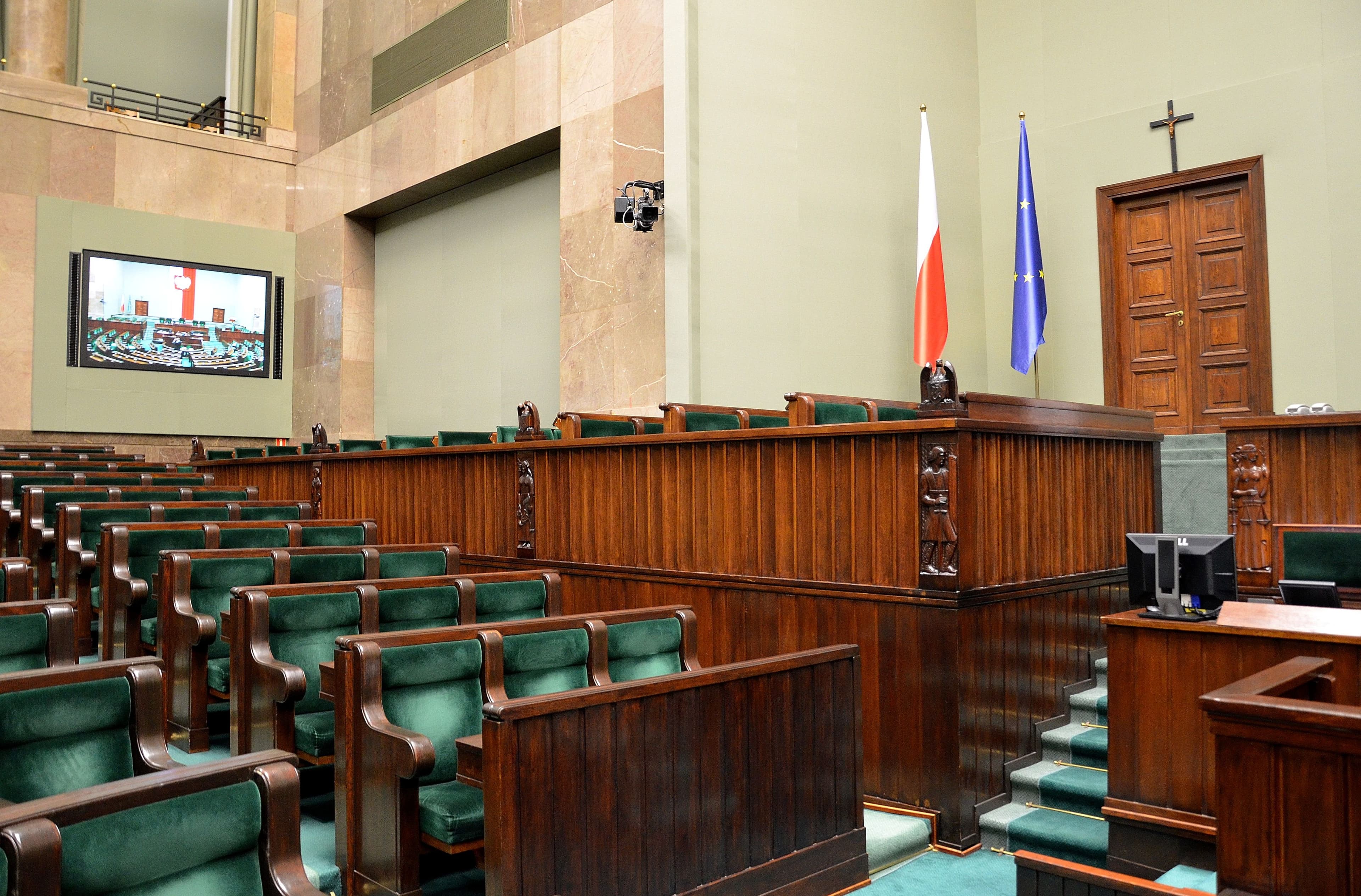
There is a scene in Stanisław Wyspiański’s The Wedding that Polish schoolchildren remember for life. The guests, their souls lulled to sleep after a long night, circle to the music of the chochoł, a straw figure wrapped in roses. The golden horn that was meant to summon them to action has been lost. Only a monotonous tune remains, and a whole nation turns on the spot. I thought of that scene reading what happened in Polish politics on 8 and 9 October. The Sejm voted almost unanimously to restrict the sale of alcohol. In the same twenty-four hours police were checking more than ten thousand schools, while the politicians kept swinging at the same circle of mutual reproach.
In Hemingway’s The Sun Also Rises, a man is asked how he went bankrupt. “Two ways,” he says. “Gradually, then suddenly.” People have been quoting that line for a century because it describes how most real catastrophes behave. The warning signs are there for years, and nobody reads them until the floor goes.
Przez lata obserwowania Waszyngtonu wypracowałem sobie prostą regułę: amerykańska polityka zagraniczna to polityka wewnętrzna z paszportem w kieszeni. Za każdym razem, gdy prezydent mówi o dalekiej wojnie, gdzieś w Ohio albo Pensylwanii ktoś patrzy na cenę na stacji benzynowej. A ta cena krzyczy głośniej niż jakiekolwiek przemówienie.
Są w ekonomii takie spory, które przypominają niedzielny obiad u dalekiej rodziny. Wszyscy wiedzą, kto stłukł wazon, ale nikt nie chce zacząć. Mam wrażenie, że dokładnie to dzieje się dziś między Pekinem a Brukselą. Od dekady przyglądam się tym rachunkowym tańcom i wciąż jedno mnie uderza: gdy ktoś tak gorąco kłóci się o kurs, naprawdę boli go coś innego.
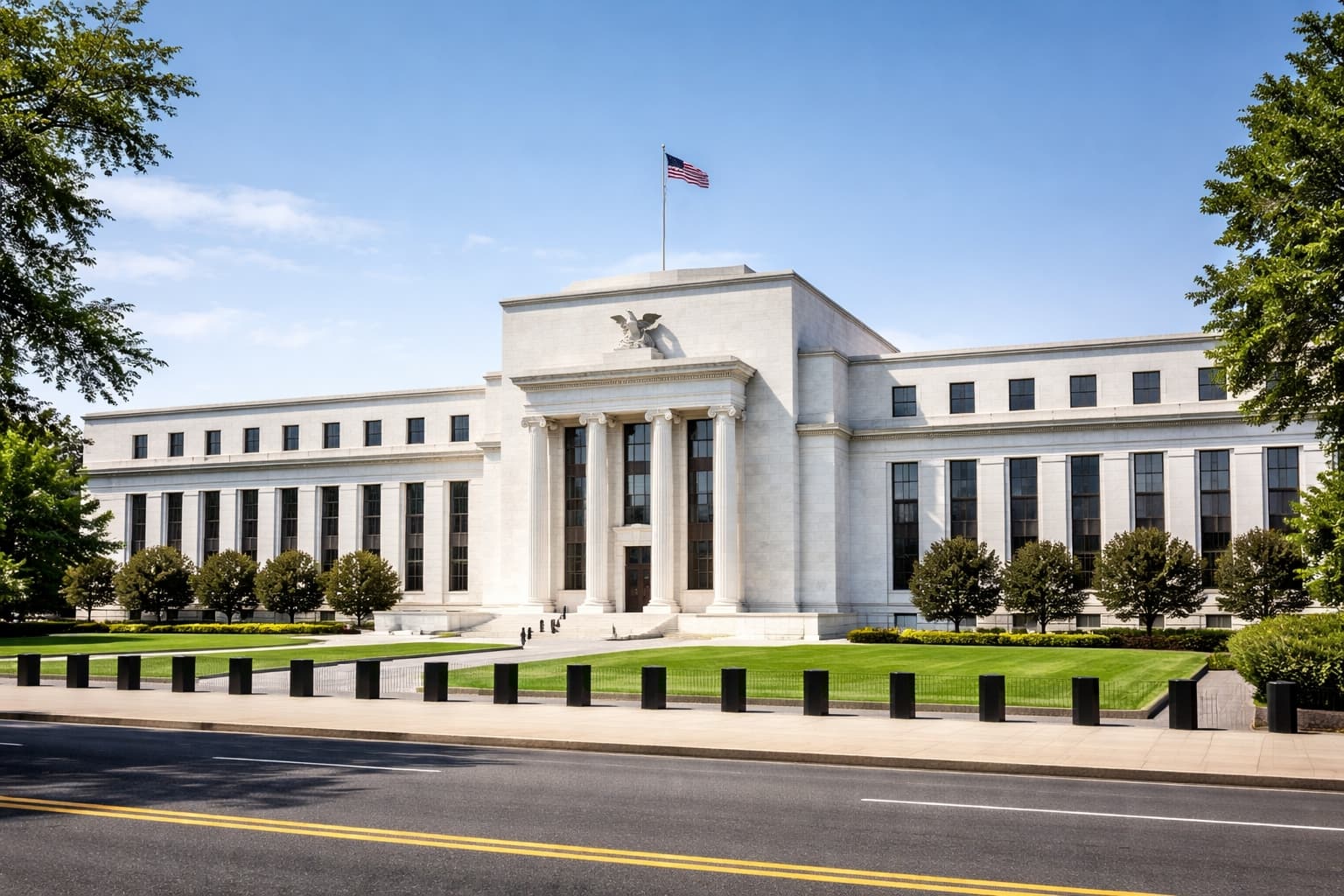
There is an old American joke about the man who falls from a skyscraper and, passing the fortieth floor, tells himself that so far, so good. I thought of him on 8 October, reading the latest numbers from the US labour market. Nobody is being thrown out of the window. Nobody is being invited in, either. The building just hangs there, in a strange and watchful quiet.
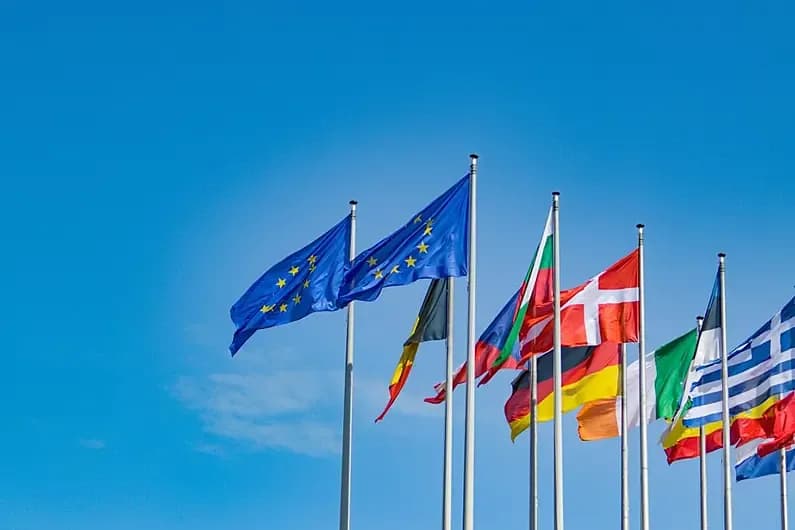
I have sat through enough finance ministers’ press conferences to know the choreography. Grave faces, measured vocabulary, a word like “targeted” dropped in every third sentence, as though precision of language could substitute for precision of policy. So when the eurozone’s finance ministers gathered on 8 October, I expected the usual fog. What I got instead was something closer to a confession. They want to shield people from dearer energy and keep the public purse in order, both at once. It is the political equivalent of wanting to eat the cake and still have the money for the oven.