
Ładowanie

Gospodarka nie działa w próżni — kształtują ją instytucje. W tym dziale sprawdzamy, jak prawo, ramy regulacyjne, ochrona praw własności oraz skuteczne zarządzanie tworzą warunki dla przedsiębiorczości, innowacji i stabilnej przyszłości.

Znałem kiedyś piekarza, który potrafił wypiec tysiąc bochenków, choć na osiedlu kupowano trzysta. Resztę wozem rozwoził po innych dzielnicach, a im dalej jechał, tym bardziej denerwowali się tamtejsi sąsiedzi, bo chleb był tani. Wspominam go za każdym razem, gdy patrzę na chińskie dane o motoryzacji. Wrzesień. Sprzedaż samochodów osobowych na chińskim rynku wewnętrznym wyniosła 1,63 mln sztuk, o 28,1% mniej niż rok wcześniej. To już dwunasty miesiąc spadków z rzędu. A eksport: 923 tys. aut, plus 73,2%. Obraz bez retuszu: w domu samochodów nie kupują, więc wozi się je po świecie. Fabryki pracują, taśmy się kręcą, a własny klient jakby wyszedł na papierosa i nie wrócił.
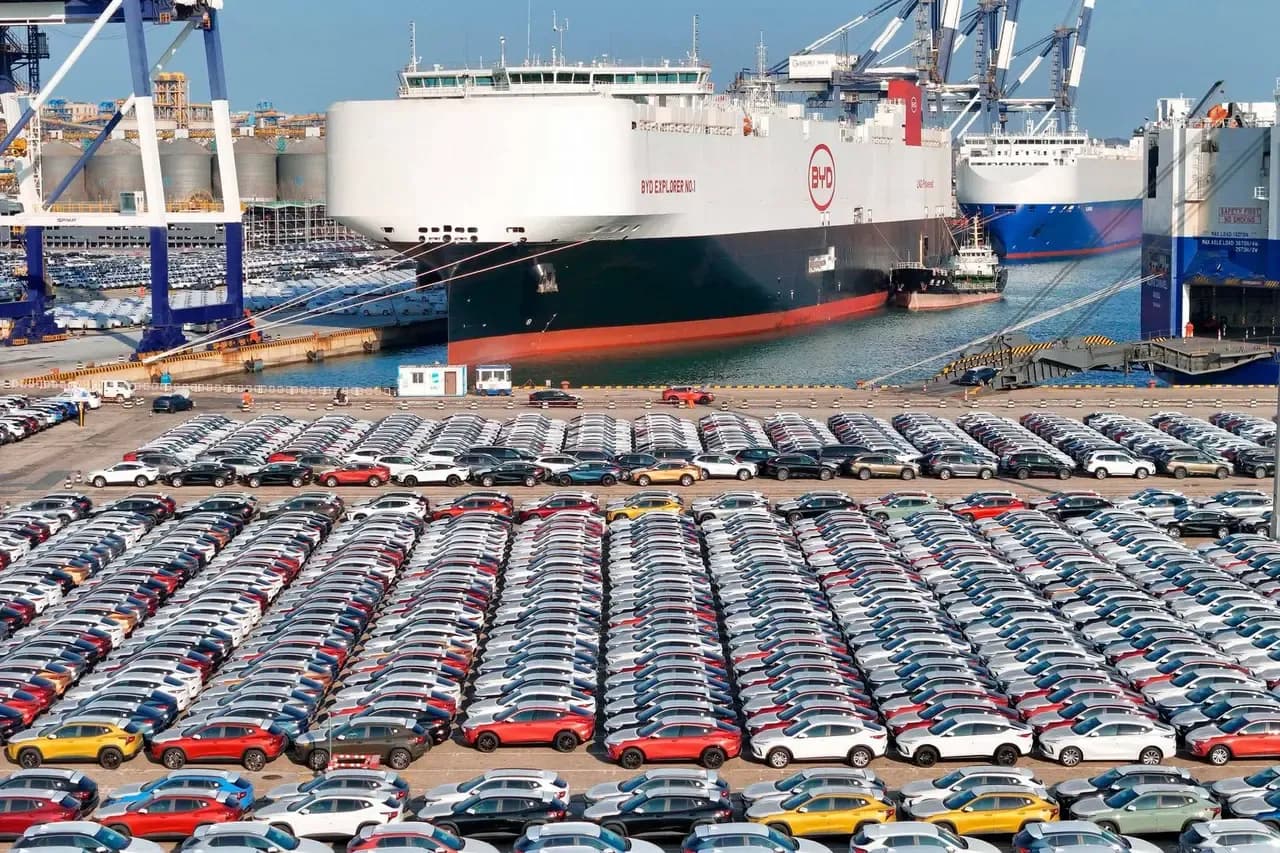
Kiedyś w Chicago znałem właściciela sklepiku na rogu, który uśmiechał się do klienta tak serdecznie, że chciało się kupić nawet to, czego się nie potrzebowało. A pod ladą trzymał kij bejsbolowy. Nigdy go nie użył. Ale cała ulica wiedziała, że tam leży, i dlatego nikt się z nim nie kłócił. Ostatnia doba pekińskiej dyplomacji przypomniała mi tego człowieka co do joty. Zacznijmy od uśmiechu. 12 października chińskie Ministerstwo Handlu opowiedziało o wynikach intensywnych konsultacji z Europejczykami w sprawie samochodów hybrydowych i elektrycznych. Pekin domaga się niedyskryminacyjnego podziału kwot eksportowych i mówi o mechanizmie zwiększania dozwolonych wolumenów względem poziomu z 2025 roku. To istotne uzupełnienie komunikatu Komisji Europejskiej z 9 października o możliwym gwałtownym ograniczeniu chińskiego eksportu hybryd. Obie strony potwierdziły, że rozmowy trwają. Ostateczne liczby i sposób ich stosowania nie są jeszcze ustalone.

Joseph Heller gave us Catch-22, a rule so perfectly circular that the only way out was never to need one. Washington has now written its own version. Ukraine is told to stop hitting the refineries that feed the Russian war machine, because the diesel from those refineries is making American trucks more expensive to run. On 10 October Donald Trump said publicly that Ukraine should change its president, and he demanded an end to the strikes on Russian oil plants. The day before, his administration had announced an arrangement with Vladimir Putin to increase Russian diesel supplies and had temporarily eased the related sanctions. Volodymyr Zelensky sees it the other way round: every barrel freed from restrictions is a shell Russia can afford to fire.
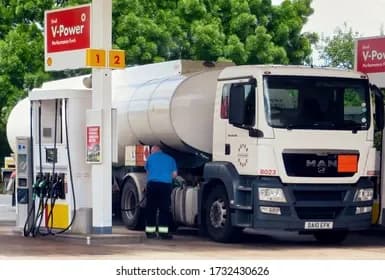
My grandmother used to say that you can tell what a man truly values by what he is willing to trade when the bill comes due. She was talking about a neighbour who sold his father’s watch to pay for a wedding, but I have thought of her a good deal this week. On 9 October the President of the United States announced an arrangement with Vladimir Putin to let Russian diesel flow, and the reason given was the price at the American pump.

I once knew a baker who could tell the state of the economy by the size of the queue at six in the morning, long before any minister cleared his throat. Her verdict never came with decimals. It came with a shrug, or a sigh, or a sudden decision to stop selling the expensive loaves. I thought of her on 9 October, when the University of Michigan published its preliminary October reading of consumer sentiment, and the number landed like a stone in a pond.
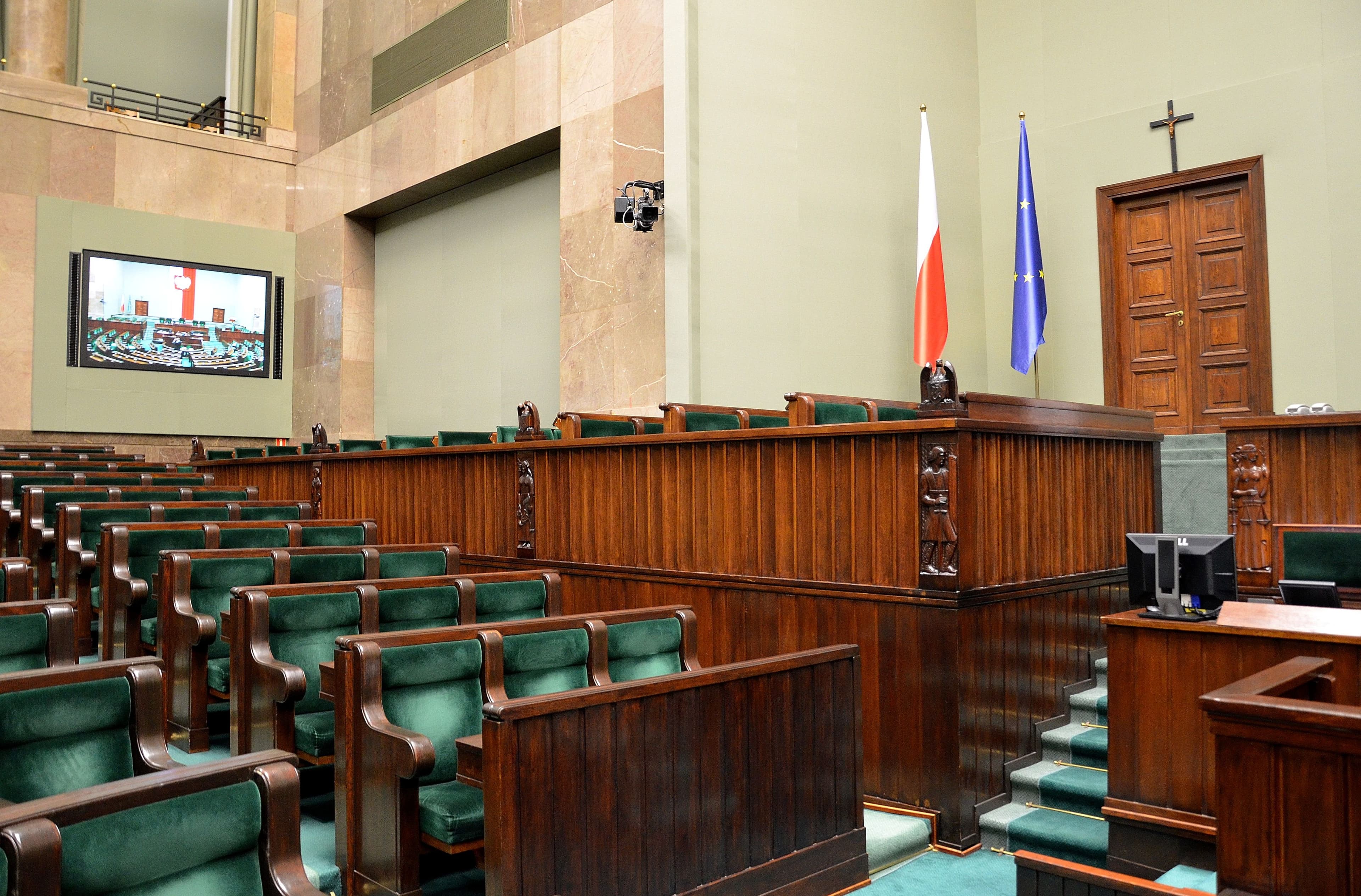
There is a scene in Stanisław Wyspiański’s The Wedding that Polish schoolchildren remember for life. The guests, their souls lulled to sleep after a long night, circle to the music of the chochoł, a straw figure wrapped in roses. The golden horn that was meant to summon them to action has been lost. Only a monotonous tune remains, and a whole nation turns on the spot. I thought of that scene reading what happened in Polish politics on 8 and 9 October. The Sejm voted almost unanimously to restrict the sale of alcohol. In the same twenty-four hours police were checking more than ten thousand schools, while the politicians kept swinging at the same circle of mutual reproach.
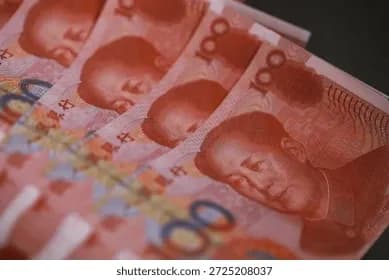
Są w ekonomii takie spory, które przypominają niedzielny obiad u dalekiej rodziny. Wszyscy wiedzą, kto stłukł wazon, ale nikt nie chce zacząć. Mam wrażenie, że dokładnie to dzieje się dziś między Pekinem a Brukselą. Od dekady przyglądam się tym rachunkowym tańcom i wciąż jedno mnie uderza: gdy ktoś tak gorąco kłóci się o kurs, naprawdę boli go coś innego.
There is an old American joke about the man who falls from a skyscraper and, passing the fortieth floor, tells himself that so far, so good. I thought of him on 8 October, reading the latest numbers from the US labour market. Nobody is being thrown out of the window. Nobody is being invited in, either. The building just hangs there, in a strange and watchful quiet.
I have sat through enough finance ministers’ press conferences to know the choreography. Grave faces, measured vocabulary, a word like “targeted” dropped in every third sentence, as though precision of language could substitute for precision of policy. So when the eurozone’s finance ministers gathered on 8 October, I expected the usual fog. What I got instead was something closer to a confession. They want to shield people from dearer energy and keep the public purse in order, both at once. It is the political equivalent of wanting to eat the cake and still have the money for the oven.

I have a habit I’m not proud of. When the news turns to war, my eyes glaze over at the maps and the generals, and I find myself staring at the petrol-station sign instead. Those glowing numbers are the most honest war correspondents we have. They don’t spin. They simply go up.

Odysseus knew there was no beating both monsters in the strait. Scylla would take six of his men; Charybdis could take the whole ship. A sensible captain picks the lesser evil and hugs the cliff. That scene came back to me this week as I read what the head of Poland’s central bank had to say.