
Chargement

28 publications

My neighbor decided one autumn to fix his roof. He fixed exactly half. The other half could wait, he said, because it hadn’t rained yet. Ever since, I’ve read the world’s news like that roof. Everybody is patching something, propping it up with planks, slapping on tar, and almost nobody finishes the job. The world on October 27, 2026 is that very building: half a new roof, half a leaky one, and November banging on the window.

Землемір К. у Кафки отримує виклик до Замку, який він бачить із села, але до якого не доходить ніколи. Приходять листи, чиновники суперечать один одному, а рішення, що визначає все його життя, ухвалюється в кімнаті, куди він не потрапить. Найбільше в «Замку» вражає, наскільки розсудливо все звучить. Ніхто не жорстокий. Система просто влаштована так, що в людей, які під нею живуть, немає дверей, у які можна постукати. Я згадав К. цього понеділка, перечитуючи новини вихідних. Вісім чи дев'ять окремих історій мають одну архітектуру. Звичайні люди в Києві, Варшаві, Ліоні та Атланті чекають вироків, які виносять десь поза їхнім зором.
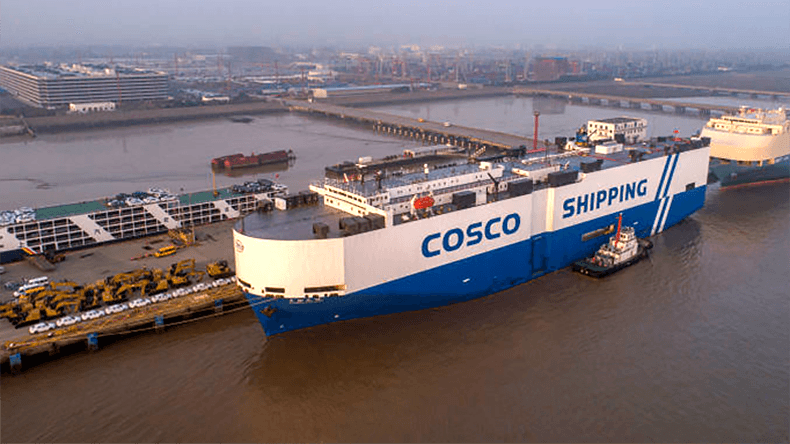
I once knew a baker who could turn out a thousand loaves while the neighborhood bought three hundred. He hauled the rest across town, and the farther he drove, the more the other bakers fumed about his cheap bread. He comes to mind every time I look at China’s car numbers. September. Domestic passenger car sales came in at 1.63 million, down 28.1% from a year earlier. That is twelve straight months of decline. Exports: 923,000 cars, up 73.2%. No retouching needed. Nobody at home is buying, so the cars get shipped around the world. The factories hum, the assembly lines turn, and the home customer seems to have stepped out for a cigarette and never come back.

My late father, a man who mended radios for a living, had a rule about promises. If someone told him the part was in the post, he would nod politely and keep the soldering iron warm. “Wait for the parcel,” he said. I have been thinking of that rule since Sunday, when the American president announced that Moscow and Kyiv had agreed to stop hitting each other’s energy plants.

Stefan Zweig wrote in The World of Yesterday that nobody in Vienna noticed the old order dying. Trams still ran, cafés still poured coffee, and the clerks went home at five. The rot, he said, doesn’t announce itself. It arrives as a series of small administrative facts. I thought of Zweig this morning, going through the last twenty-four hours in Poland and around it. Taken one by one, the items look like routine business. Put side by side, they say something less comfortable.
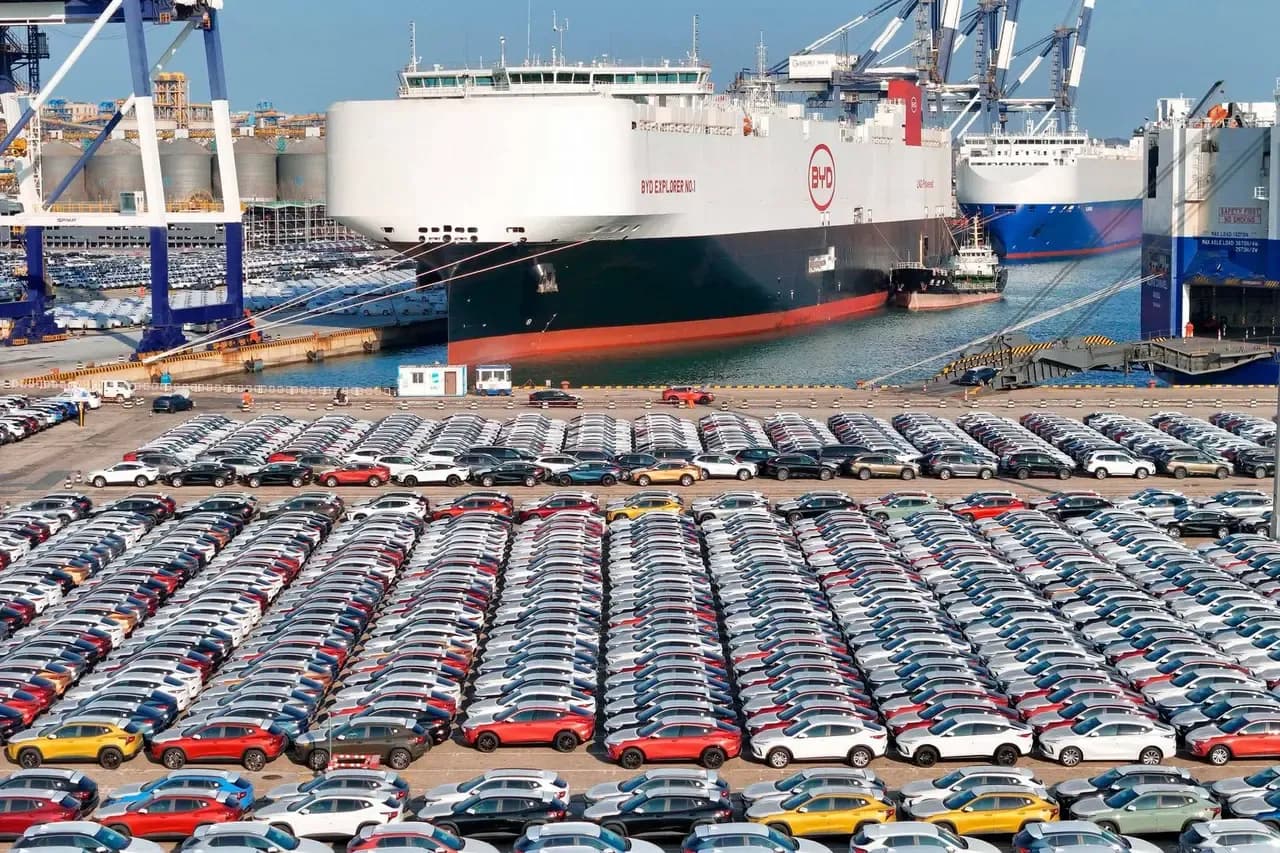
Back in Chicago, I knew a corner-store owner who smiled at customers so warmly you wanted to buy things you didn’t need. Under the counter he kept a baseball bat. He never once used it. But everyone on the block knew it was there, and that is exactly why nobody argued with him. Beijing’s last 24 hours reminded me of that man down to the last detail. Start with the smile. On October 12, China’s Commerce Ministry reported on intensive consultations with the Europeans over hybrid and electric cars. Beijing insists on non-discriminatory allocation of export quotas and talks of a mechanism to raise permitted volumes relative to 2025 levels. That is a significant addition to the European Commission’s October 9 message about a possible sharp cut in Chinese hybrid exports. Both sides confirm the talks go on. The final numbers, and how they will be applied, remain open.

There is a question I used to ask my students on the first day of every course, and it still gets the most uncomfortable silence: when a government speaks to you, who is paying for the microphone? The answer, in a democracy, is you. That is why a ruling handed down on 11 October in a federal courtroom deserves more attention than its dry procedural language suggests.
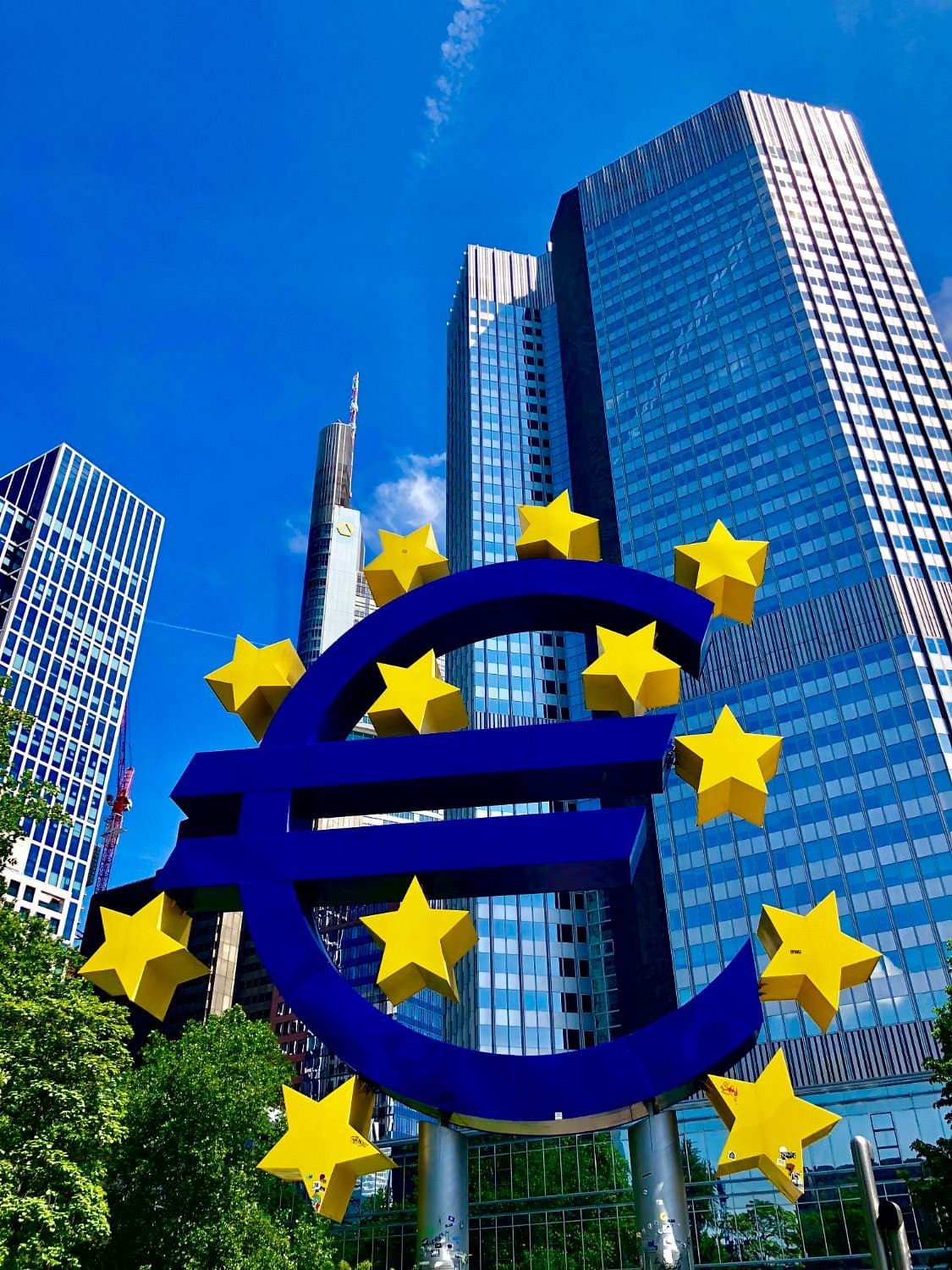
My grandfather kept his savings in a biscuit tin. Ask him why and he’d say, “Banks can collapse. The tin never does.” That tin comes to mind every time somebody mentions European capital markets, because Europe is, at heart, one enormous biscuit tin with ten trillion euros inside. On October 9, EU finance ministers agreed the backbone of their position on MISP, the Market Integration and Supervision Package. The idea: hand the European regulator ESMA some oversight of the biggest cross-border trading venues and market infrastructure, lower barriers for asset managers and smooth out certain cross-border transactions. A word of caution before anyone pops a cork. This is the Council’s negotiating stance only. Talks with the European Parliament still lie ahead, and it is a long road from here to law.
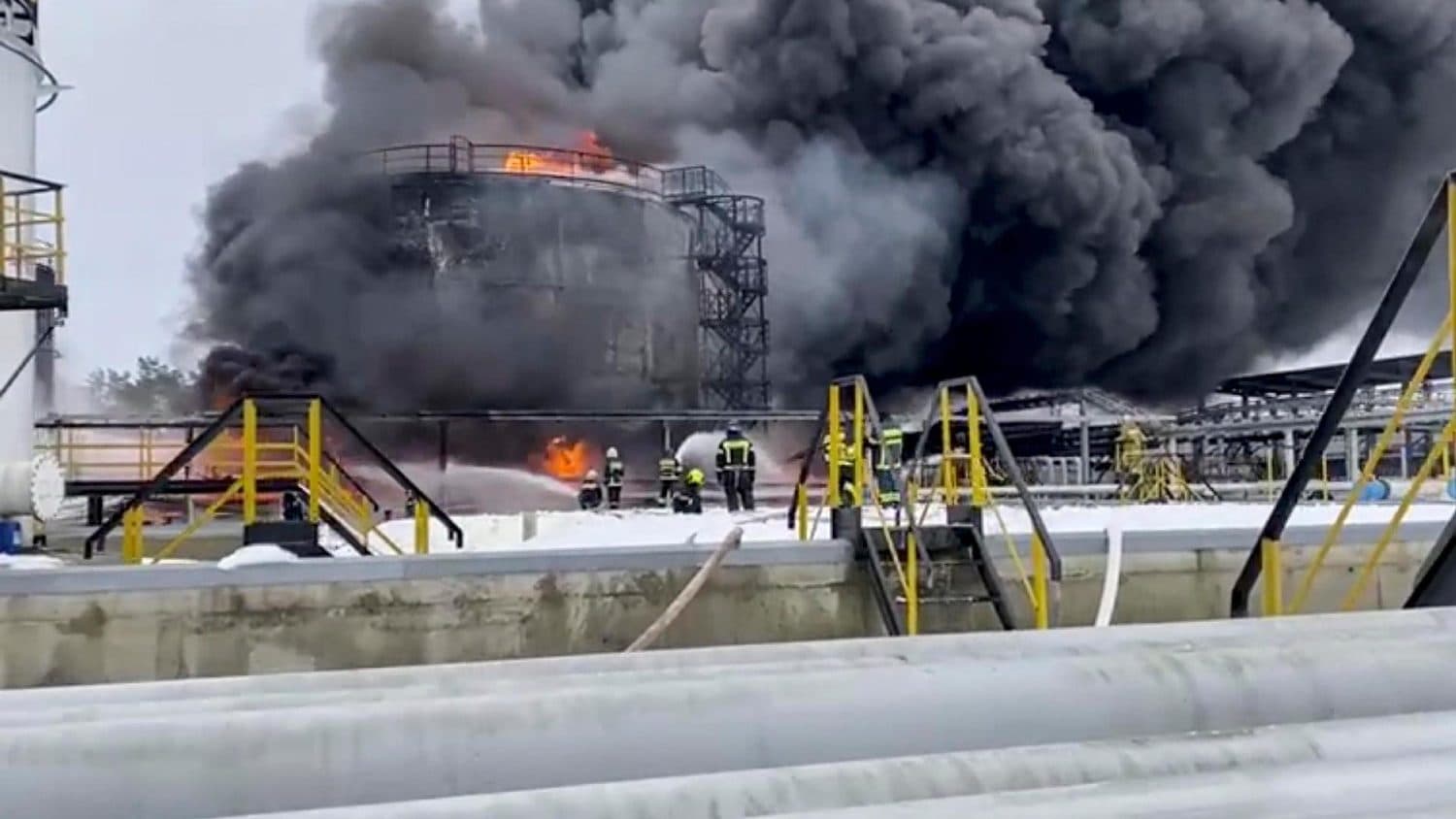
Joseph Heller gave us Catch-22, a rule so perfectly circular that the only way out was never to need one. Washington has now written its own version. Ukraine is told to stop hitting the refineries that feed the Russian war machine, because the diesel from those refineries is making American trucks more expensive to run. On 10 October Donald Trump said publicly that Ukraine should change its president, and he demanded an end to the strikes on Russian oil plants. The day before, his administration had announced an arrangement with Vladimir Putin to increase Russian diesel supplies and had temporarily eased the related sanctions. Volodymyr Zelensky sees it the other way round: every barrel freed from restrictions is a shell Russia can afford to fire.
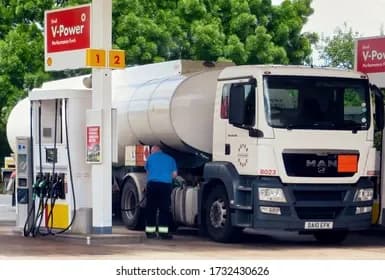
My grandmother used to say that you can tell what a man truly values by what he is willing to trade when the bill comes due. She was talking about a neighbour who sold his father’s watch to pay for a wedding, but I have thought of her a good deal this week. On 9 October the President of the United States announced an arrangement with Vladimir Putin to let Russian diesel flow, and the reason given was the price at the American pump.
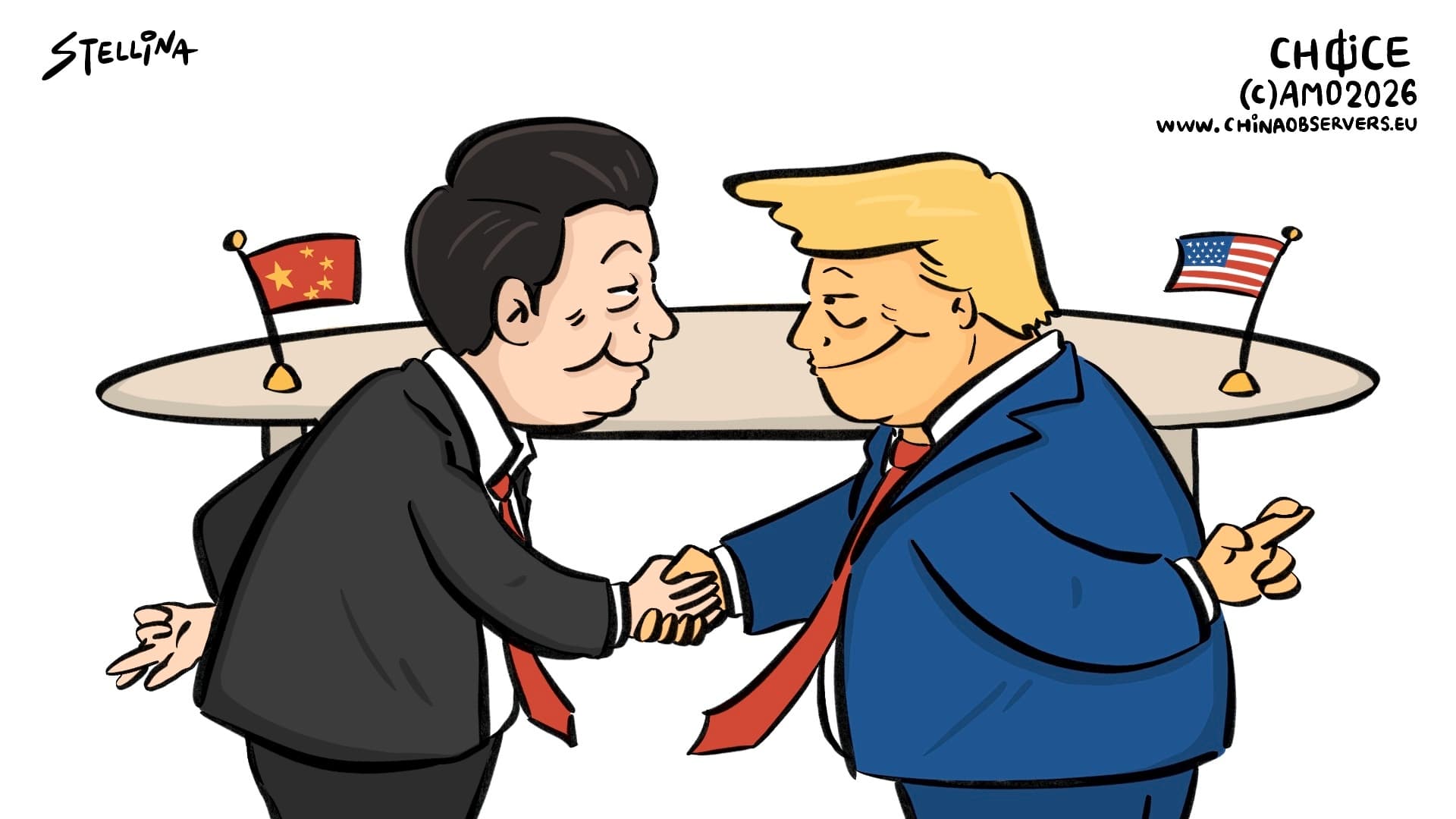
I once knew an old man in a park who played three chess games at the same time while telling jokes. Everybody figured he wasn’t paying attention. In fact he knew something the rest of us didn’t: the most dangerous player at the table is the one who is in no hurry. That is exactly the picture that comes to mind when I look at Chinese foreign policy this week.

Zwei kritische PHP-Schwachstellen, vorsorglich abgeschaltete Behördenportale und KI-gestützte Sicherheitsforschung: Was hinter dem Ausnahmezustand im Web steckt.
Every autumn, European leaders drive to Brussels with a briefcase of grievances and a promise to find common ground. I have watched this ritual for years, and it reminds me of a family dinner where everyone agrees the table is too small and nobody offers to leave. The next such gathering falls on 15 and 16 October, and the invitation, sent out on 8 October by the president of the European Council, reads like a list of everything that keeps Europeans awake: energy, competitiveness, the EU budget for 2028 to 2034, Ukraine, defence, migration and enlargement.
I once knew a baker who could tell the state of the economy by the size of the queue at six in the morning, long before any minister cleared his throat. Her verdict never came with decimals. It came with a shrug, or a sigh, or a sudden decision to stop selling the expensive loaves. I thought of her on 9 October, when the University of Michigan published its preliminary October reading of consumer sentiment, and the number landed like a stone in a pond.
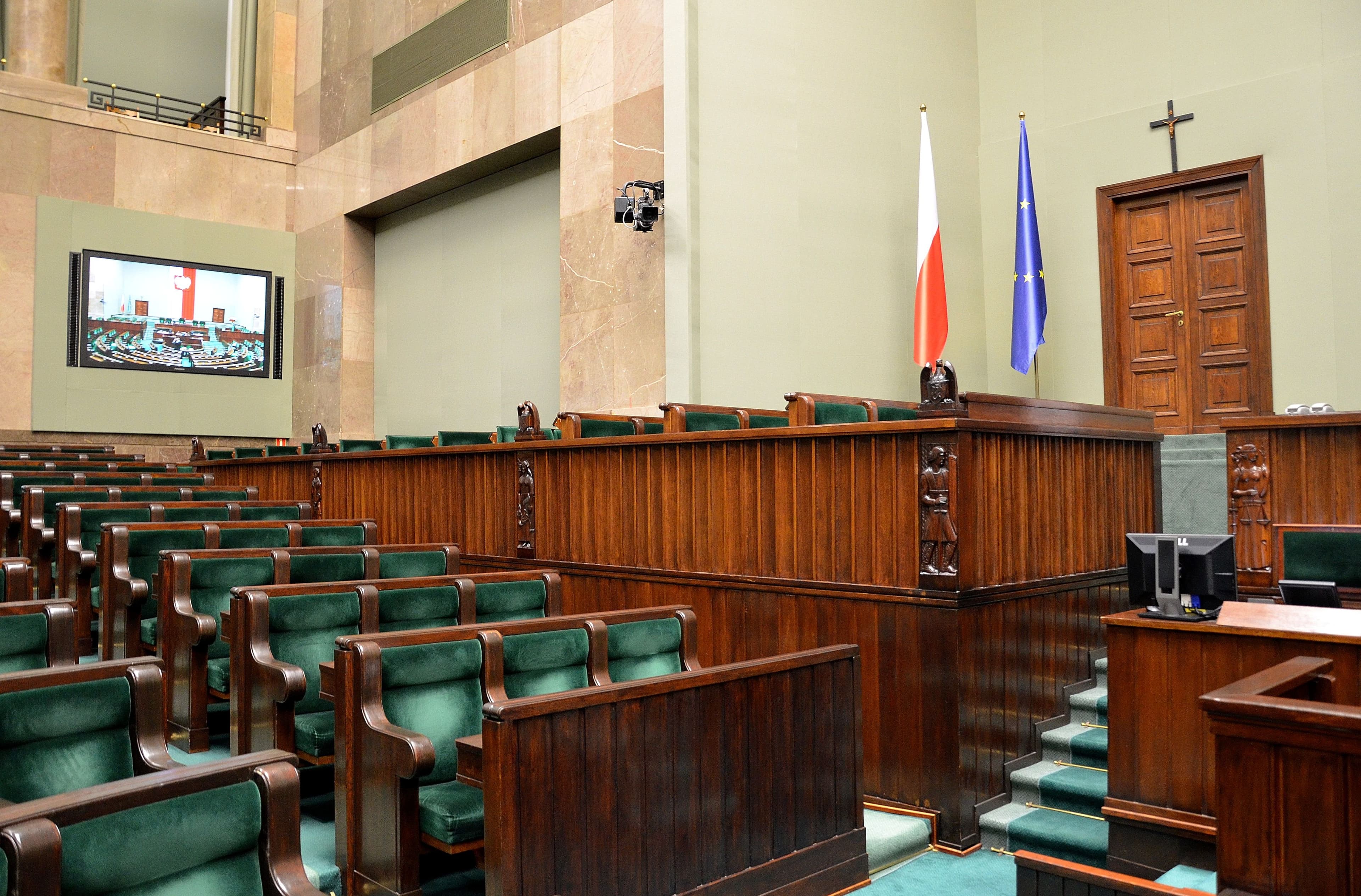
There is a scene in Stanisław Wyspiański’s The Wedding that Polish schoolchildren remember for life. The guests, their souls lulled to sleep after a long night, circle to the music of the chochoł, a straw figure wrapped in roses. The golden horn that was meant to summon them to action has been lost. Only a monotonous tune remains, and a whole nation turns on the spot. I thought of that scene reading what happened in Polish politics on 8 and 9 October. The Sejm voted almost unanimously to restrict the sale of alcohol. In the same twenty-four hours police were checking more than ten thousand schools, while the politicians kept swinging at the same circle of mutual reproach.
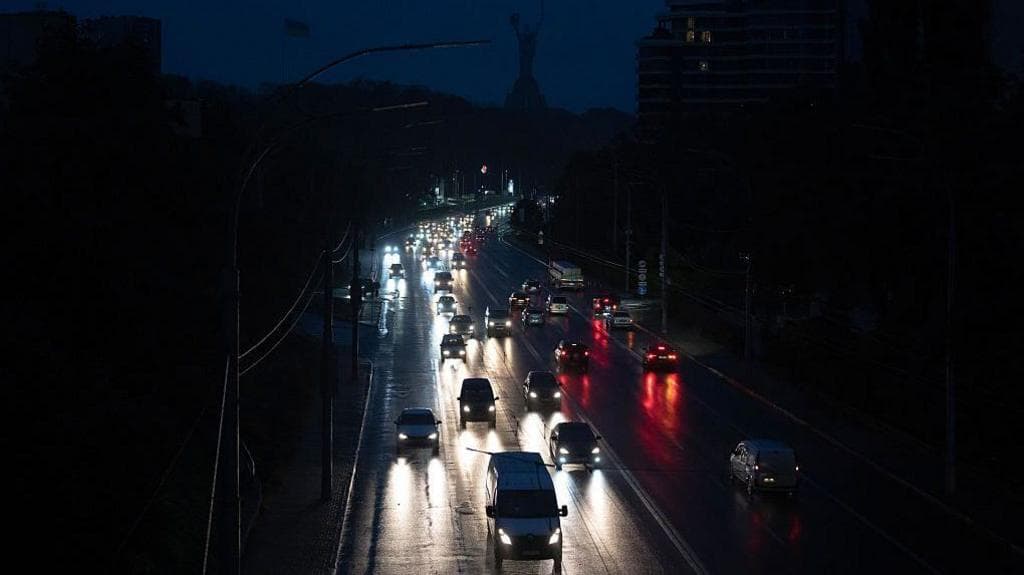
In Hemingway’s The Sun Also Rises, a man is asked how he went bankrupt. “Two ways,” he says. “Gradually, then suddenly.” People have been quoting that line for a century because it describes how most real catastrophes behave. The warning signs are there for years, and nobody reads them until the floor goes.
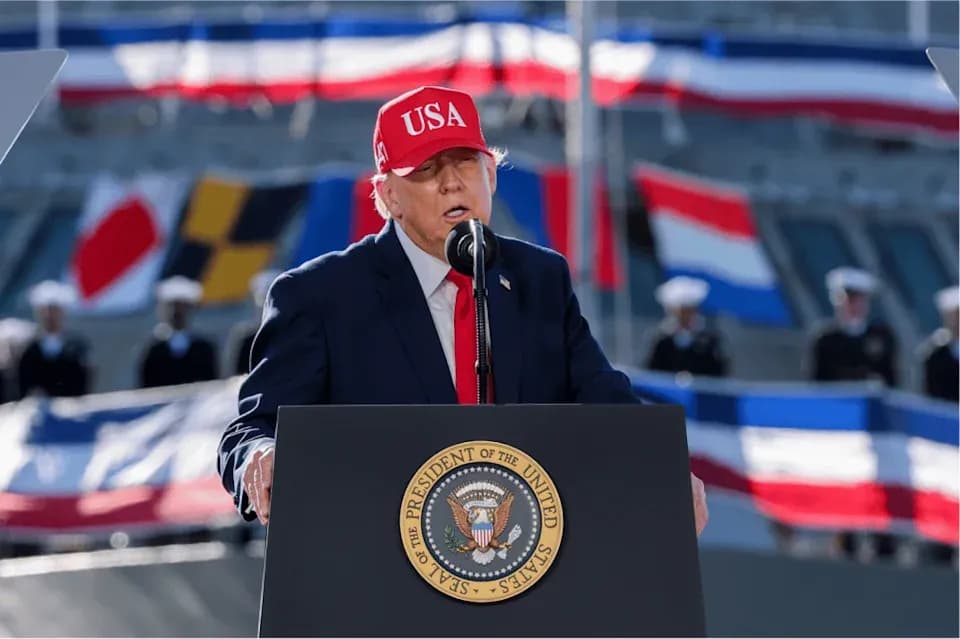
After years of watching Washington, I’ve settled on a simple rule: American foreign policy is domestic policy with a passport. Every time a president talks about a faraway war, somebody in Ohio or Pennsylvania is staring at the price on a gas pump. And that number shouts louder than any speech.
Let me tell you something I’ve learned in ten years of watching currency fights: when two sides argue this loudly about an exchange rate, they are almost never arguing about the exchange rate. They’re arguing about who gets to keep the factories.
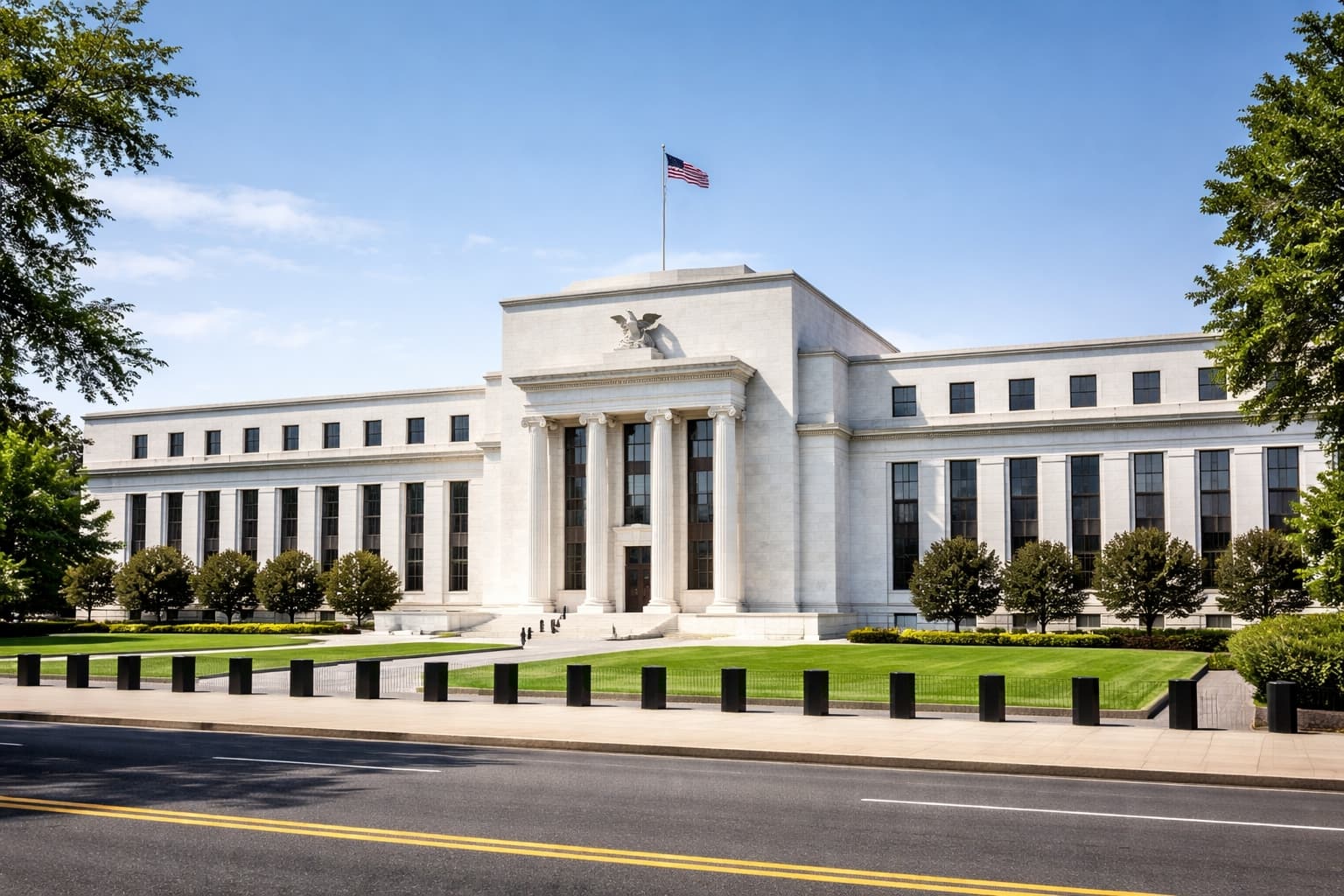
There is an old American joke about the man who falls from a skyscraper and, passing the fortieth floor, tells himself that so far, so good. I thought of him on 8 October, reading the latest numbers from the US labour market. Nobody is being thrown out of the window. Nobody is being invited in, either. The building just hangs there, in a strange and watchful quiet.
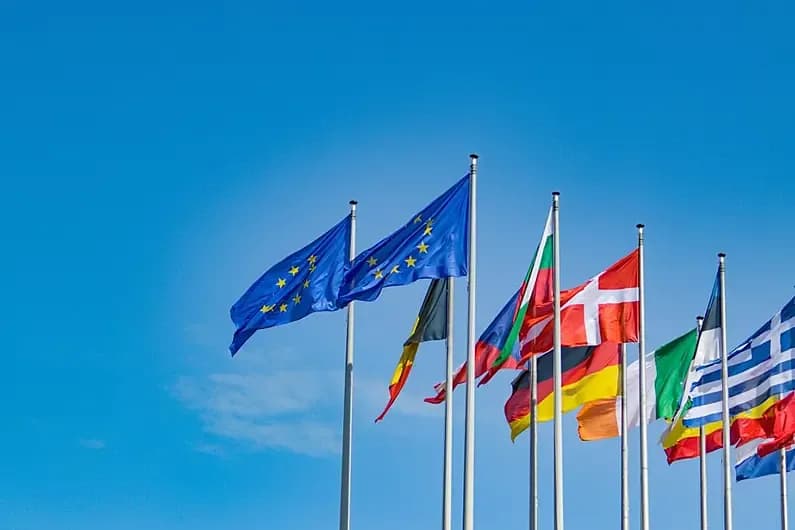
I have sat through enough finance ministers’ press conferences to know the choreography. Grave faces, measured vocabulary, a word like “targeted” dropped in every third sentence, as though precision of language could substitute for precision of policy. So when the eurozone’s finance ministers gathered on 8 October, I expected the usual fog. What I got instead was something closer to a confession. They want to shield people from dearer energy and keep the public purse in order, both at once. It is the political equivalent of wanting to eat the cake and still have the money for the oven.