
Cargando


Autor de Stratium Policy Lab.
Guarda este autor en favoritos y recibe avisos en el idioma de tu perfil cuando se publiquen nuevos artículos.

My neighbor decided one autumn to fix his roof. He fixed exactly half. The other half could wait, he said, because it hadn’t rained yet. Ever since, I’ve read the world’s news like that roof. Everybody is patching something, propping it up with planks, slapping on tar, and almost nobody finishes the job. The world on October 27, 2026 is that very building: half a new roof, half a leaky one, and November banging on the window.

I once knew a baker who could turn out a thousand loaves while the neighborhood bought three hundred. He hauled the rest across town, and the farther he drove, the more the other bakers fumed about his cheap bread. He comes to mind every time I look at China’s car numbers. September. Domestic passenger car sales came in at 1.63 million, down 28.1% from a year earlier. That is twelve straight months of decline. Exports: 923,000 cars, up 73.2%. No retouching needed. Nobody at home is buying, so the cars get shipped around the world. The factories hum, the assembly lines turn, and the home customer seems to have stepped out for a cigarette and never come back.
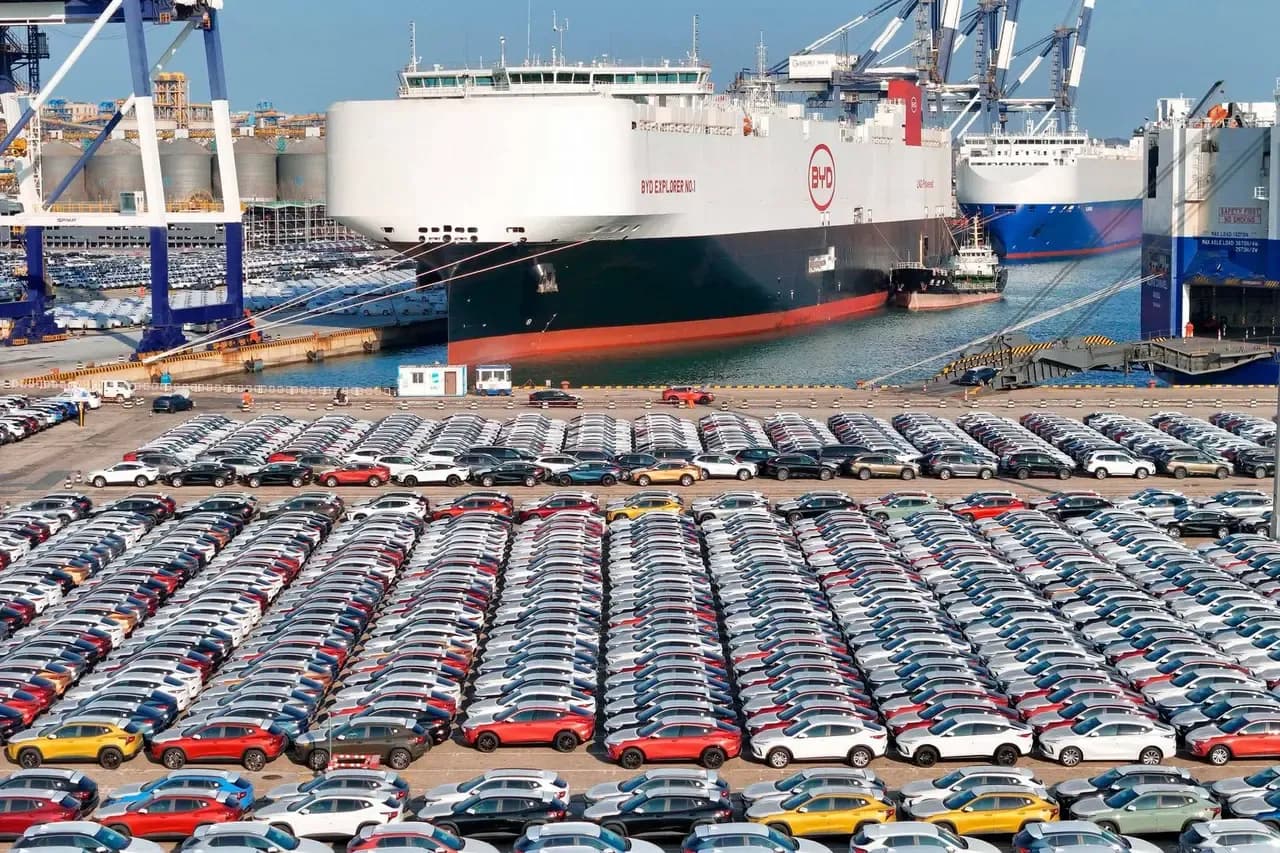
Back in Chicago, I knew a corner-store owner who smiled at customers so warmly you wanted to buy things you didn’t need. Under the counter he kept a baseball bat. He never once used it. But everyone on the block knew it was there, and that is exactly why nobody argued with him. Beijing’s last 24 hours reminded me of that man down to the last detail. Start with the smile. On October 12, China’s Commerce Ministry reported on intensive consultations with the Europeans over hybrid and electric cars. Beijing insists on non-discriminatory allocation of export quotas and talks of a mechanism to raise permitted volumes relative to 2025 levels. That is a significant addition to the European Commission’s October 9 message about a possible sharp cut in Chinese hybrid exports. Both sides confirm the talks go on. The final numbers, and how they will be applied, remain open.
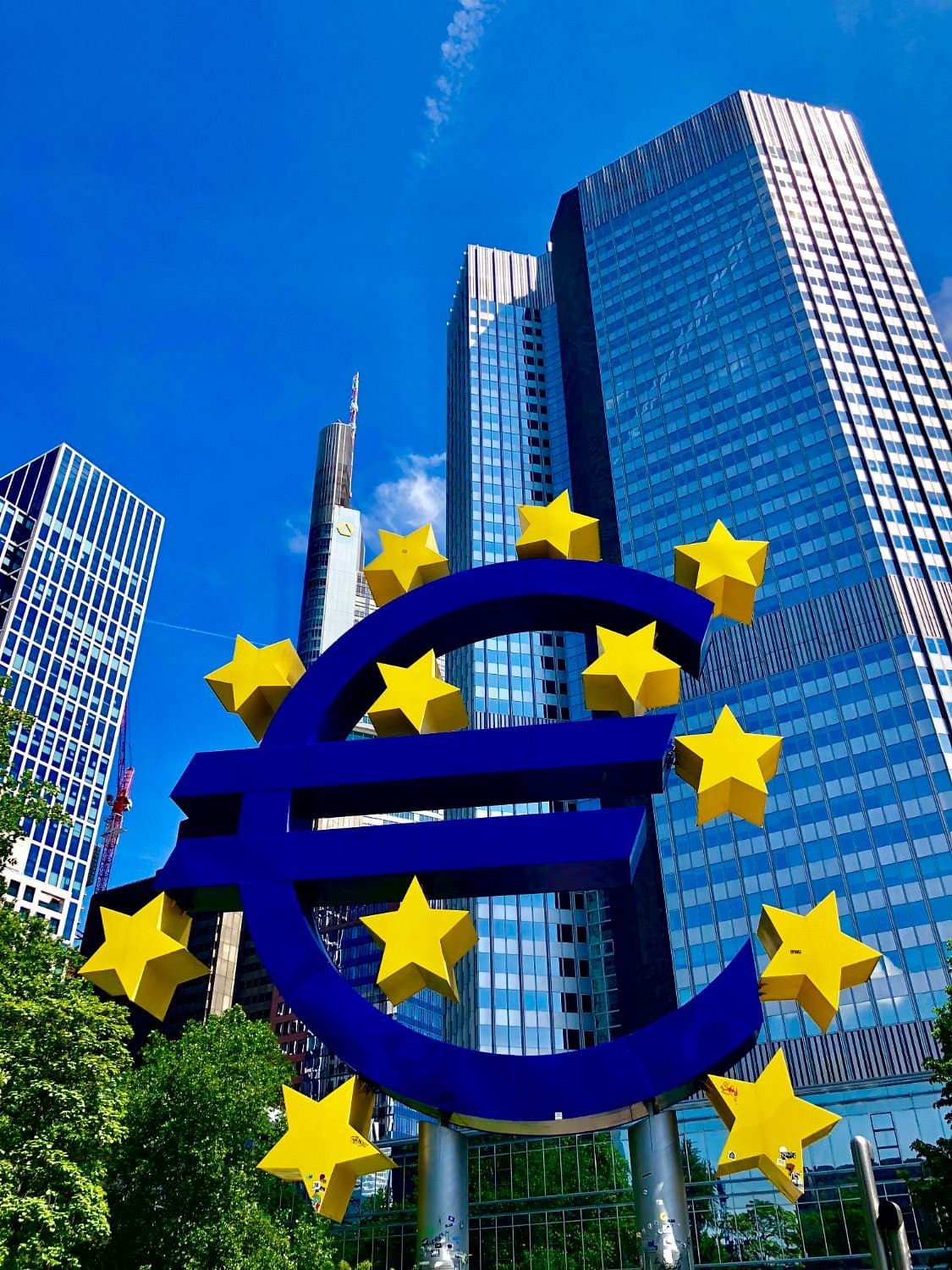
My grandfather kept his savings in a biscuit tin. Ask him why and he’d say, “Banks can collapse. The tin never does.” That tin comes to mind every time somebody mentions European capital markets, because Europe is, at heart, one enormous biscuit tin with ten trillion euros inside. On October 9, EU finance ministers agreed the backbone of their position on MISP, the Market Integration and Supervision Package. The idea: hand the European regulator ESMA some oversight of the biggest cross-border trading venues and market infrastructure, lower barriers for asset managers and smooth out certain cross-border transactions. A word of caution before anyone pops a cork. This is the Council’s negotiating stance only. Talks with the European Parliament still lie ahead, and it is a long road from here to law.
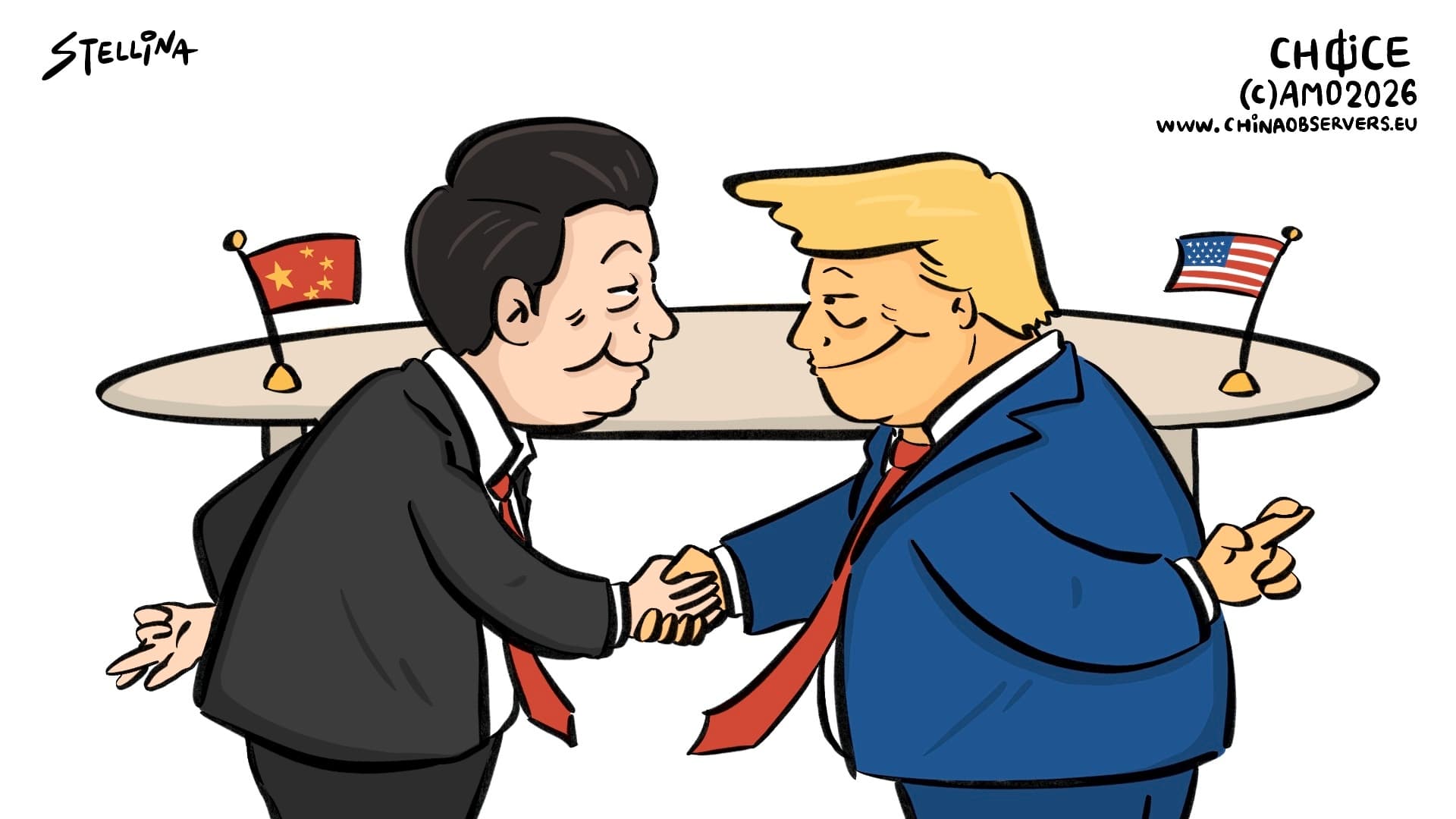
I once knew an old man in a park who played three chess games at the same time while telling jokes. Everybody figured he wasn’t paying attention. In fact he knew something the rest of us didn’t: the most dangerous player at the table is the one who is in no hurry. That is exactly the picture that comes to mind when I look at Chinese foreign policy this week.
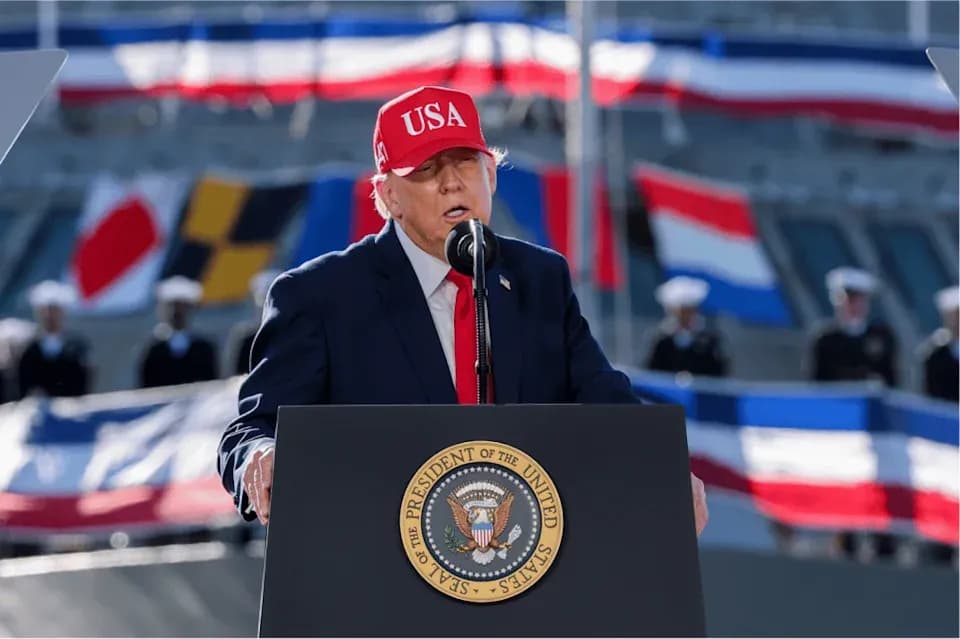
After years of watching Washington, I’ve settled on a simple rule: American foreign policy is domestic policy with a passport. Every time a president talks about a faraway war, somebody in Ohio or Pennsylvania is staring at the price on a gas pump. And that number shouts louder than any speech.
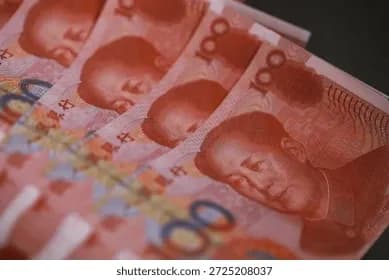
Let me tell you something I’ve learned in ten years of watching currency fights: when two sides argue this loudly about an exchange rate, they are almost never arguing about the exchange rate. They’re arguing about who gets to keep the factories.

I have a habit I’m not proud of. When the news turns to war, my eyes glaze over at the maps and the generals, and I find myself staring at the petrol-station sign instead. Those glowing numbers are the most honest war correspondents we have. They don’t spin. They simply go up.