

A Union of Many Chairs
Every autumn, European leaders drive to Brussels with a briefcase of grievances and a promise to find common ground. I have watched this ritual for years, and it reminds me of a family dinner where everyone agrees the table is too small and nobody offers to leave. The next such gathering falls on 15 and 16 October, and the invitation, sent out on 8 October by the president of the European Council, reads like a list of everything that keeps Europeans awake: energy, competitiveness, the EU budget for 2028 to 2034, Ukraine, defence, migration and enlargement.
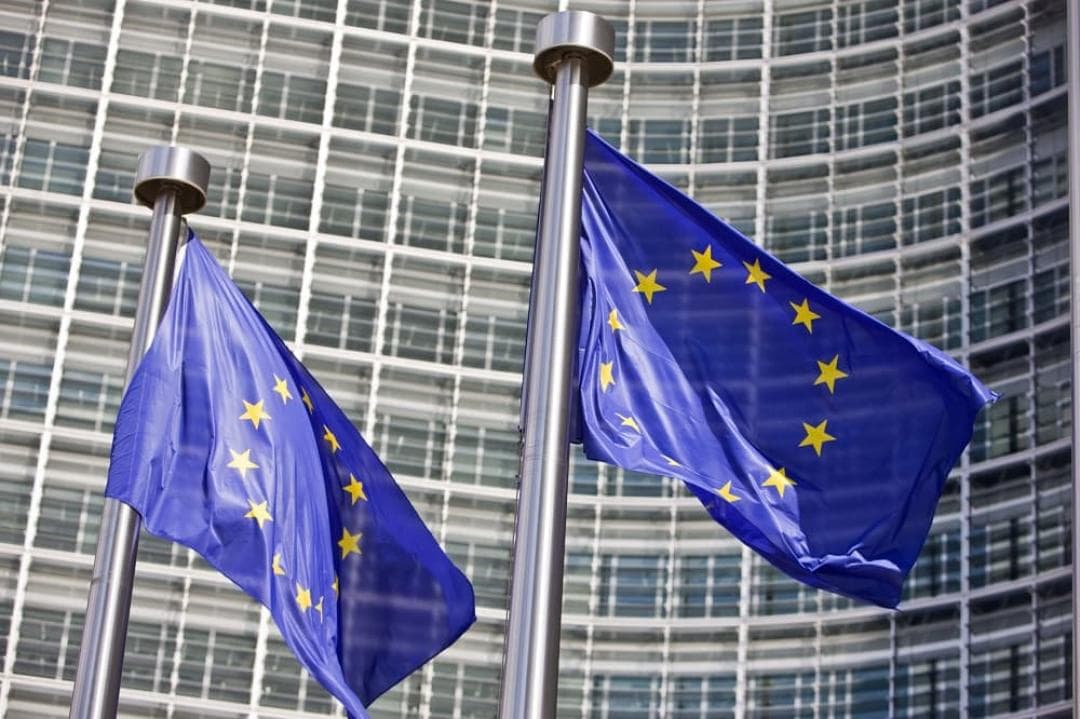
An invitation, let’s remember, is not a decision. It is a statement of what the hosts are afraid of. But fear is a decent map of priorities, and the priorities here are plain.
Start with energy, because that is where politics now begins. Dearer power squeezes governments from three sides at once. Voters want the cost of living to fall. Businesses want tariffs they can survive. Finance ministries want to keep a lid on spending. The Council means to discuss temporary, targeted support for households while holding to the strategy of weaning Europe off fossil fuels. Say that aloud and you can hear the creak. Easing pain this winter may call for choices that sit awkwardly beside the long-term climate goals. That doesn’t mean the green transition is dead. It does mean the quarrel over its speed and its price is about to get louder, and anyone who thinks the transition was ever going to be settled without a fight has not been paying attention.
Then there is the older menace. On 8 October the Council of the EU extended sanctions on individuals and entities it holds responsible for Russian hybrid operations. Note the word “hybrid”. Security in Europe no longer means only tanks on a border. It means disinformation seeping into a news feed, a cyberattack on a hospital, a cable cut on the seabed. The real question has become practical: can a country keep its grid, its railways, its communications and its institutions standing when someone is quietly leaning on them? Resilience, again, is the word, and again it is far easier to say than to build.
China is the other weight on the scale. Early in October the European Parliament leaned harder on the EU’s executive to rethink trade relations, and while the bloc’s trade chief was in Beijing on 8 October, MEPs backed a resolution calling for more reciprocity. Yet Europe is not of one mind. Countries with heavy industry feel Chinese imports like a hand at the throat. Others fear that a trade war would cost them investment, raise prices at the shop and sour a relationship they depend on. My reading is that the Union is drifting towards a tougher defence of its factories, but not every capital is ready for a real fight. A common policy built on unequal appetites is a bit like a rowing boat whose crew can’t agree on the shore.
And now to Italy, where something quietly consequential happened. On 8 October the lower house gave final approval to a contested electoral reform. The new system is proportional, but a coalition that wins more than 42% of the vote receives bonus seats. The vote was 227 to 164. Prime Minister Giorgia Meloni says the change will make governments more stable. The opposition says the rules are being rewritten to suit whoever holds the pen. Both claims have been made in public, and I would be wary of anyone who tells you they know the answer in advance. The design of an electoral system doesn’t prove who will benefit from it. History is full of reformers who built a machine and then watched it run over them.