

A Ceasefire With an Expiry Date: Trump Puts Iran on Ice Until November 3
After years of watching Washington, I’ve settled on a simple rule: American foreign policy is domestic policy with a passport. Every time a president talks about a faraway war, somebody in Ohio or Pennsylvania is staring at the price on a gas pump. And that number shouts louder than any speech.
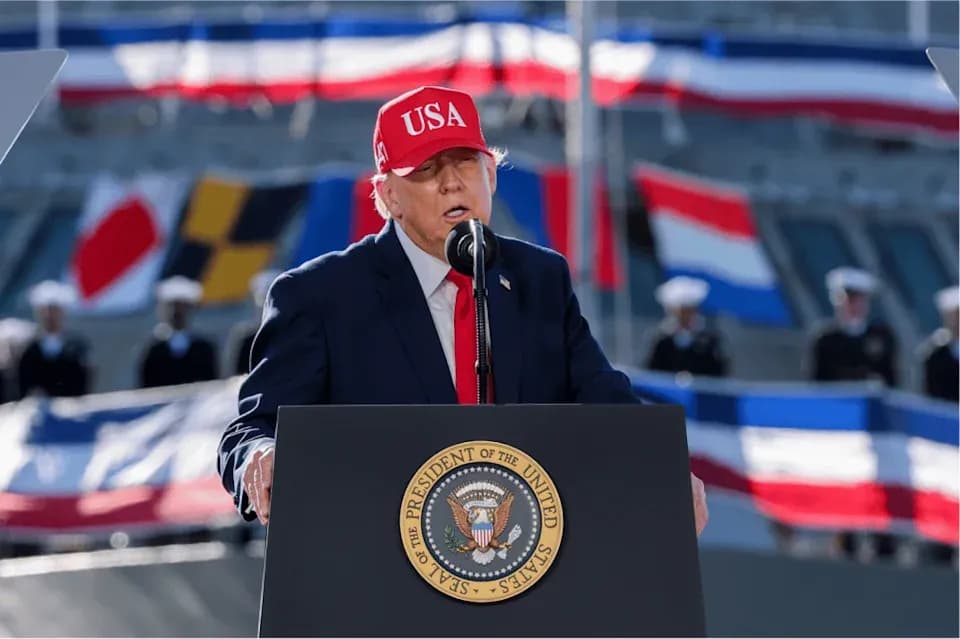
On October 8, Donald Trump announced on his own social network that the United States will not carry out fresh strikes on Iran before the midterm elections on November 3. He says talks with Tehran are going well. The wire services confirmed he said it. But there is a canyon between “I said” and “we agreed”, and nobody has built a bridge yet. A pause has been declared. A deal has not been signed, and escalation has not been taken off the table.
The public isn’t exactly cheering. A Reuters/Ipsos poll found about 60% of Americans disapprove of how Trump is handling Iran. One poll is one poll, not the soul of a nation, but nobody in the West Wing is shoving that number in a drawer. Add stubbornly high gasoline prices, which hit voters right where it hurts, and you can see why diplomacy here is foreign policy, economics and electioneering all at once. Is the timing suspicious? Sure. But a calendar proves only that calendars exist. What is clear is the bind: the administration needs foreign policy wins without making life more expensive. That is a tightrope with no net.
Meanwhile, a different fight is playing out in court. A federal judge heard arguments over the administration’s attempt to restrict White House access for reporters from several major outlets. The press says it’s payback for tough coverage. The Justice Department says it’s about professional standards and national security. The court earlier froze the restrictions temporarily, pointing to possible violations of procedural rights, and a new ruling is expected. This is a scrap over where presidential power ends and press freedom begins, and it won’t go away just because the headlines moved on.
Then there’s the Supreme Court. On October 8, the Chief Justice temporarily paused a lower court order that would have forced the Federal Communications Commission to quickly consider a Democratic complaint about discounted rates for political ads. Democrats are challenging a rule change that lets party committees use certain discounts. Republicans say the new system is perfectly legal. A temporary pause is not a verdict on constitutionality. Think semicolon, not full stop.
Money talks, too. According to Federal Election Commission data, national Republican committees had more cash on hand than their Democratic counterparts at the end of August. But a fat bank account has never cast a single vote. Candidate quality, district maps, turnout and a mood that swings faster than a stock ticker will all have their say.
And finally, science. The president rolled out initiatives to back American research and artificial intelligence, leaning hard on private-sector partnerships and faster training of specialists. Critics point to cuts in funding for some public research programs. Underneath sits the oldest argument in the book: should science ride on the shoulders of tech giants, or should the state keep feeding universities and basic research directly?